
Alcazaba of Almería Architecture: A Complete Guide
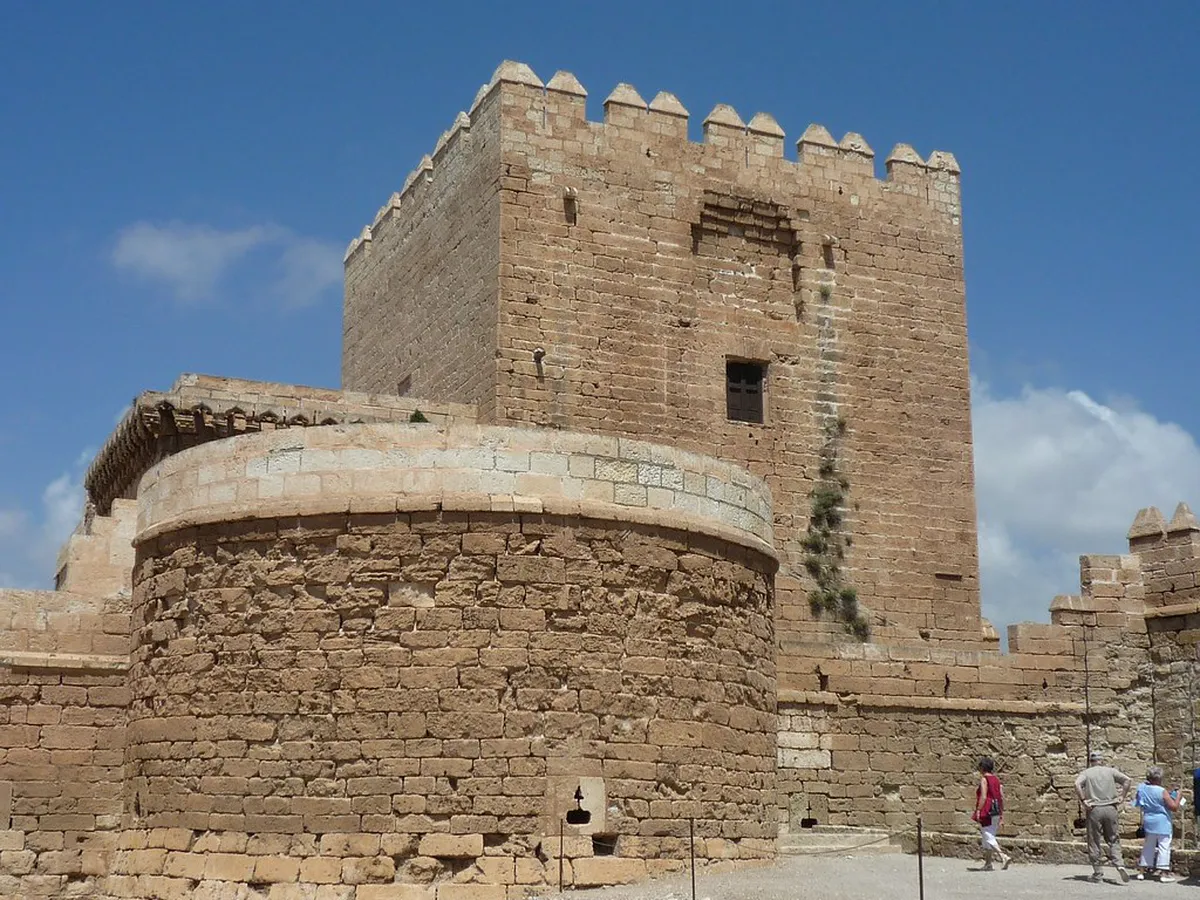
Table of Contents
Unveiling the Alcazaba of Almería Architecture in 2025
Almería's majestic Alcazaba stands proudly above the city. This ancient fortress showcases incredible historical significance. Its Alcazaba of Almería architecture is a masterpiece. It represents centuries of Moorish and Christian rule. Visiting here provides a deep dive into Spain's past. Discover its secrets and planning your journey now.
This guide explores the fortress's unique design elements. We cover its defensive structures and beautiful palatial areas. You will understand its historical context in Al-Andalus. Prepare for an unforgettable architectural adventure. Learn about this stunning site in detail.
A Glimpse into Alcazaba's Rich History
The Alcazaba's construction began in the 10th century. Abd al-Rahman III ordered its creation. It served as a vital defensive and administrative center. This fortress protected the port city of Almería. It was once the most powerful Muslim city in Spain.
Its strategic location offered commanding views. The design reflects various stages of Moorish rule. Caliphate of Córdoba influences are evident. Later, the Nasrid dynasty added their touch. These layers create a rich historical tapestry.
After the Christian conquest, changes occurred. The Catholic Monarchs modified parts of the fortress. They adapted structures for their own defensive needs. This blend of styles makes the Almería fortification history fascinating. It tells a story of cultural shifts over time.
Visitors in 2025 can walk through these historical layers. Each stone whispers tales of emperors and battles. Understanding its past enriches your visit greatly. The Alcazaba is a living monument to history. Consider joining Almería architecture walking tours.
Exploring the Defensive Marvels of Alcazaba
The Alcazaba's defensive architecture is truly remarkable. Strong walls encircle the entire complex. These massive ramparts feature numerous watchtowers. They protected the city from land and sea attacks.
The first enclosure primarily focused on military defense. It housed the garrison and various essential services. You can see remnants of barracks and storage areas here. This area was crucial for sustaining a large force.
Within this section, robust towers stand guard. The Torre de la Vela offers incredible city views. Its purpose was to spot approaching threats. These Alcazaba watchtowers are essential features. They showcase ancient military engineering prowess.
Walk along the battlements to appreciate the scale. The views extend to the sea and the Cerro de San Cristóbal. This hilltop offers another perspective. The defensive design was intricate and effective. Plan at least two hours to explore this section properly.
Palatial Grandeur: The Second Enclosure's Design
Beyond the military zone lies the opulent second enclosure. This area was home to the caliphs and governors. It features beautiful palaces and lush gardens. The design showcases the elegance of Moorish court life.
Intricate decorative details adorn many structures. Horseshoe arches and geometric patterns are common. Water features and courtyards provide tranquility. These elements are hallmarks of Moorish architecture in Almería. They create a serene and luxurious atmosphere.
The remains of the Taifa palace are particularly striking. Though mostly ruins, you can imagine its former splendor. The mihrab of the mosque also offers insights. Its design reflects religious significance and artistic skill. Spend time appreciating these fine details.
The gardens within this section are beautifully restored. They provide a peaceful contrast to the fortress's military aspects. Enjoy the fragrant plants and soothing fountains. This area is perfect for architectural photography. Capture the blend of nature and ancient design.
Christian Additions and Architectural Blends
🌟 Local Expert Tip: Get the most out of your Almeria visit with guided tours!
Following the Christian Reconquista, the Alcazaba saw new additions. The Catholic Monarchs added their own touches. These changes primarily focused on strengthening defenses. They adapted existing structures to suit new warfare tactics.
The third enclosure, known as the Christian castle, is notable. It features the Homage Tower and the Powder Tower. These structures boast more robust, Gothic-style elements. They contrast sharply with the delicate Moorish designs.
This part of the fortress showcases a blend of architectural styles. It's a testament to the city's complex history. You can clearly see where one era ended and another began. The fusion creates a unique historical narrative.
Visiting these later additions provides context. It highlights the strategic importance of Almería. Compare these structures with the earlier Moorish ones. This comparison offers valuable insights into architectural evolution. Consider exploring other Renaissance buildings in Almería for further context.
Visiting the Alcazaba in 2025: Practical Tips
The Alcazaba is open year-round, typically from 9 AM to 6 PM. Always check the official website for current hours in 2025. Entrance for EU citizens is usually free. Non-EU visitors pay a small fee, often around 1.50 euros.
Wear comfortable shoes as you will be doing a lot of walking. The paths can be uneven in places. Bring water, especially during warmer months. There are vending machines, but bringing your own is wise.
Allow at least 2-3 hours to explore the entire complex thoroughly. Consider visiting early in the morning. This helps avoid the largest crowds. You will also enjoy cooler temperatures.
Guided tours are often available at the entrance. These tours provide deeper insights into the Alcazaba of Almería architecture. Look for signs or ask staff about tour schedules. Many local companies also offer specialized tours. Remember to visit the Three Baileys of the Alcazaba.
Frequently Asked Questions
What materials were used to build the Alcazaba of Almería?
The Alcazaba primarily used local materials. Stone, mortar, and rammed earth (tapial) were common. Rammed earth was a cost-effective and strong building method. These materials allowed for quick and durable construction. They ensured the fortress's longevity.
You can observe these different materials throughout the walls. The construction reflects available resources. Local quarries provided much of the stone. This makes the fortress a true product of its environment.
Is the Alcazaba of Almería accessible for visitors with limited mobility?
Portions of the Alcazaba are accessible. However, due to its ancient design, some areas have uneven terrain. There are also many stairs and inclines. The first enclosure generally offers better accessibility. Wheelchair access can be challenging in certain sections.
It is best to contact the site directly before visiting. They can provide the most current information. Staff can advise on specific routes. Planning ahead ensures a more comfortable experience. Explore the Almería architecture guide for more tips.
What is the best time of year to visit the Alcazaba for good weather?
Spring (April to June) and fall (September to October) are ideal. The weather is pleasant and mild. Temperatures are comfortable for walking and exploring. Summers can be very hot in Almería.
Winter months are also an option. Crowds are smaller, but it can be cooler. Avoid the midday sun during peak summer. Morning visits are always recommended. Enjoy the beautiful views in comfortable conditions.
Are there any specific architectural details I should look for?
Absolutely. Look for the horseshoe arches in the palatial areas. Observe the geometric tilework and intricate carvings. Notice the ingenious water channels and garden designs. Pay attention to the varying wall construction techniques.
Compare the early Moorish sections with the later Christian additions. The different tower designs are also very telling. Each detail offers a glimpse into its rich past. These elements define the unique old town Almería architecture.
The Alcazaba of Almería stands as a powerful testament to history. Its intricate Alcazaba of Almería architecture mesmerizes all visitors. From defensive walls to elegant palaces, it tells a story. This blend of cultures makes it truly unique.
Plan your 2025 trip to Almería and explore this magnificent fortress. Immerse yourself in centuries of design and heritage. Discover why it remains a highlight for architects and tourists alike. Don't miss this incredible piece of Spain's past.
Key Takeaways
- The Alcazaba showcases both Moorish and Christian architectural styles.
- Allow 2-3 hours for a thorough visit; wear comfortable walking shoes.
- Entrance is often free for EU citizens, with a small fee for others.
- Spring and fall offer the best weather for exploring the fortress.