
Discover Moorish Architecture in Almería, Spain
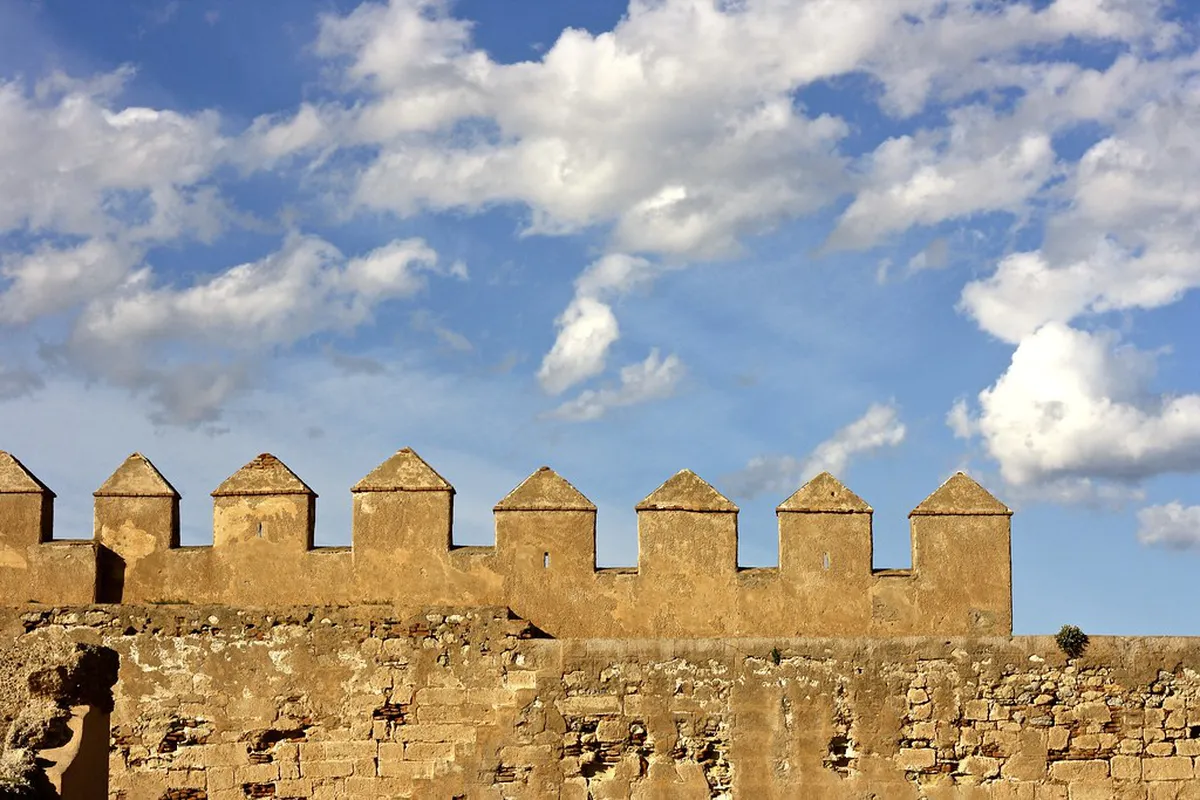
Table of Contents
Exploring Almería's Enduring Moorish Architecture in 2025
Almería, Spain, holds a rich history shaped by various cultures. Its unique past makes it a fascinating destination for travelers. The city's architectural heritage is particularly compelling. Moorish architecture in Almería stands out.
This guide explores the incredible Moorish influence. You will discover the grand Alcazaba. We will also reveal hidden gems around the city. Prepare to uncover Almería's deep historical layers in 2025.
The Alcazaba of Almería: A Moorish Masterpiece
The Alcazaba is Almería's most iconic Moorish site. This formidable fortress dominates the city's skyline. It offers breathtaking views of the port and beyond. Its construction began in the 10th century under Abd al-Rahman III.
The complex features three distinct enclosures. The first area was once a military camp. It includes beautiful gardens and water channels. The second enclosure housed the palace of the kings. Here, you will see intricate details.
Explore the stunning courtyards and ancient walls. You can imagine life within its defenses. The Alcazaba's architecture showcases Moorish military and aesthetic brilliance. Entry is often free for EU citizens.
The Alcazaba typically opens from 9 AM to 6 PM. Check current schedules before your 2025 visit. Allow at least two hours for a thorough exploration. It's a must-see example of Almería's Moorish architecture.
Essential Features of Almería's Moorish Architecture
Moorish architecture in Almería exhibits specific design elements. These features reflect both practicality and artistic flair. They create spaces of beauty and comfort. Materials like plaster, brick, and wood were common.
Look for horseshoe arches throughout the structures. These iconic arches are a hallmark of Islamic art. Geometric patterns adorn many surfaces. Calligraphy also plays a significant decorative role.
Courtyards serve as central gathering points. They often feature cooling fountains and lush plants. The use of light and shadow is also critical. These elements create a serene atmosphere. You can learn more about Moorish design features here.
Water management was advanced for its time. Canals and pools were vital for daily life. This careful planning ensured comfort in the arid climate. Such ingenious details define Almería's historical buildings.
Discovering Moorish Traces in Almería's Old Town
Beyond the Alcazaba, Moorish influences persist. Walk through Almería's Old Town. You will find hints of its past around every corner. Narrow, winding streets characterize this historic area.
The Old Town's layout still mirrors its Moorish origins. Many houses have enclosed courtyards. These private spaces offer cool retreats. They are perfect for enjoying the local climate.
The Plaza de la Constitución was once the main mosque's site. While the mosque is gone, its historical significance remains. Imagine the vibrant markets that once thrived here. This area is now a bustling public square.
Keep an eye out for specific building materials. Older residential buildings often feature traditional techniques. Some courtyards show direct Moorish inspiration. These subtle details tell a story. They reveal centuries of history.
Almería's Moorish Influence on Gardens and Courtyards
⭐ Recommendation: Don't miss out on amazing Almeria tours - book now!
Gardens and courtyards are vital to Moorish design. They provide beauty, shade, and tranquility. Almería's architecture reflects this deep appreciation. These spaces were central to domestic life.
The Alcazaba's gardens are a prime example. They showcase lush greenery and flowing water features. These gardens offered respite from the sun. They also provided fresh produce for residents.
Many traditional homes in Almería still feature courtyards. These private patios are often adorned with tiles. Plants and small fountains add to their charm. They embody the spirit of Almería's traditional courtyards.
Walking tours can highlight these hidden gems. You might discover them behind unassuming doors. These areas offer a glimpse into Almería's past. They show how Moorish design influenced everyday living spaces.
Planning Your Visit to Almería's Moorish Sites
🎯 Insider Tip: Discover the best Almeria experiences with Viator Tours!
Visiting Almería's Moorish architecture requires some planning. The best time to visit is during spring or fall. Temperatures are mild, making exploration pleasant. Summer can be very hot, especially in July and August.
Consider booking guided tours for deeper insights. Many local guides offer specialized architecture walking tours. These experts provide historical context. They can highlight details you might miss otherwise. Tours often cost around 15-25 Euros per person.
Wear comfortable shoes for walking. Much of the Old Town involves uneven terrain. Stay hydrated, especially during warmer months. Sun protection is always advisable. Be prepared for stunning photo opportunities.
You can find accommodations near the city center. This location offers easy access to the Alcazaba. Check hotel reviews and book in advance. Especially during peak seasons in 2025. This ensures a smoother travel experience.
Frequently Asked Questions
What is the most significant example of Moorish architecture in Almería?
The Alcazaba of Almería is the city's premier Moorish architectural site. It is a large fortress complex. It features palaces, courtyards, and extensive walls. Its historical importance is immense.
This landmark stands proudly above the city. It offers incredible insights into Moorish design. It dates back to the 10th century. Plan to spend several hours exploring its grounds.
Are there other Moorish-influenced buildings to see in Almería?
Yes, while the Alcazaba is dominant, other influences exist. The Old Town's street plan reflects its Moorish past. Many traditional courtyards showcase this design. Look for geometric tiles and fountains.
The area around Plaza de la Constitución holds historical significance. It was the site of the main mosque. Subtle architectural elements can be found. These include specific arch types in older structures.
What are common design elements found in Almería's Moorish architecture?
Key design elements include horseshoe arches and intricate patterns. Geometric motifs are widely used. Calligraphy often appears as decoration. Water features, like fountains, provide coolness.
Private courtyards with lush gardens are also common. These elements created serene and beautiful spaces. They were both functional and aesthetically pleasing. They showcase ingenious design.
What is the entry cost for the Alcazaba of Almería?
Entry to the Alcazaba of Almería is generally free for citizens of the European Union. Non-EU citizens typically pay a small fee. This fee is usually around 1.50 to 3.00 Euros per person. Prices are subject to change in 2025.
It is always wise to check the official website. Confirm the most current pricing and opening hours. This ensures accurate information for your visit. Enjoy this stunning historical site.
Almería's Moorish architecture offers a captivating journey. It delves deep into the city's rich past. The Alcazaba stands as a magnificent testament to this era. Its grandeur is truly inspiring.
Exploring the Old Town reveals further historical layers. Discover hidden courtyards and ancient street plans. Embrace the unique blend of cultures. This blend shaped modern Almería.
Plan your 2025 trip to explore these architectural wonders. Immerse yourself in the beauty of Moorish design. For more insights into Almería's diverse structures, check out our Almería architecture guide. Experience this fascinating Spanish city firsthand.
Key Takeaways
- The Alcazaba of Almería is the most important Moorish site.
- Look for horseshoe arches and geometric patterns in historic areas.
- Many courtyards and gardens reflect Moorish design principles.
- Spring and fall are ideal times to visit for comfortable exploration.
- Consider a guided tour to fully appreciate the historical context.