
Identify Old Town Almería Building Eras: A Guide
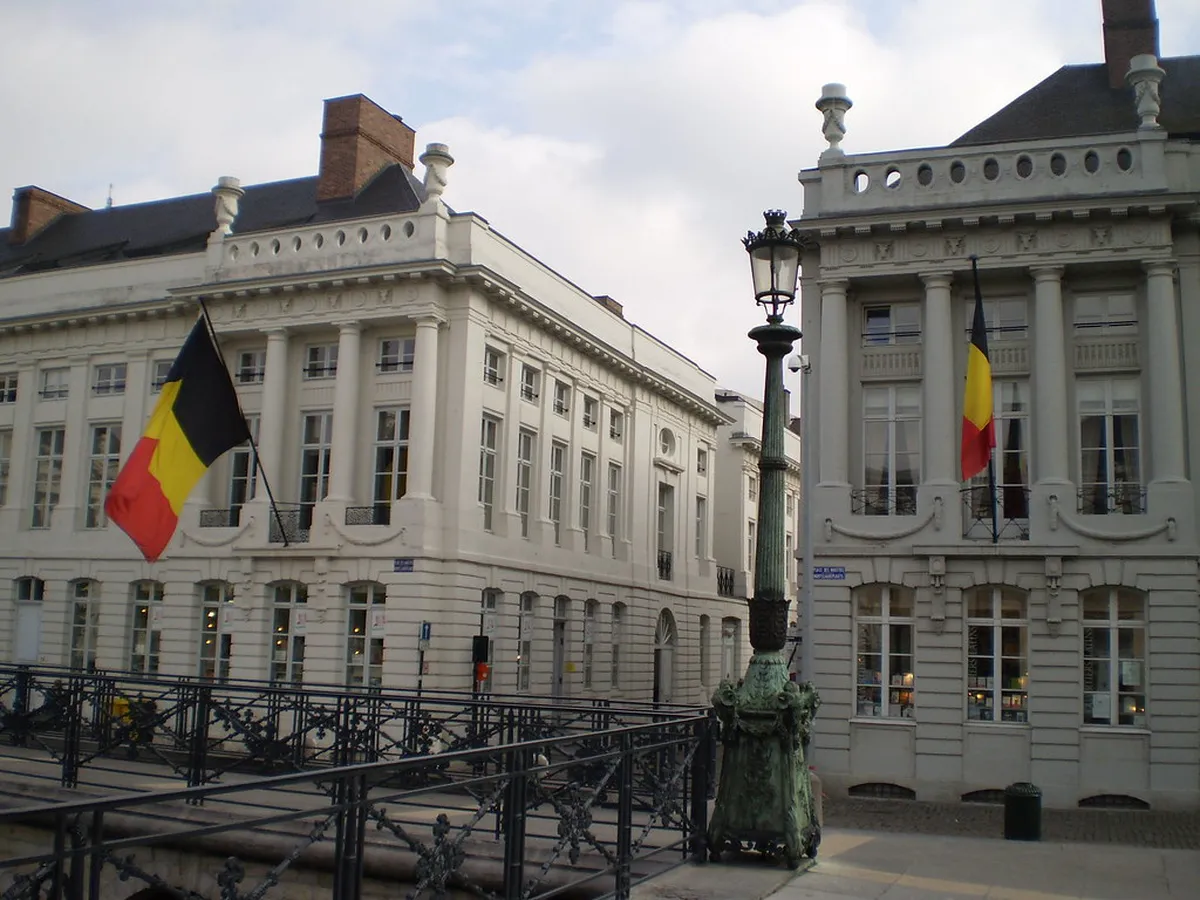
Table of Contents
Discovering Almería's Architectural Eras in the Old Town
Almería's Old Town offers a captivating journey through time. Its buildings showcase centuries of history. You can easily learn to identify different eras in Old Town Almería buildings. This guide will help you spot key architectural styles.
Understanding these unique styles enriches your visit greatly. From ancient Moorish designs to modern influences, Almería truly has it all. Prepare to explore the rich Old Town Almería architecture on your next trip. Discover the city's incredible past in 2025.
Moorish Roots: Almería's Ancient Architectural Legacy
Almería's story began with strong Moorish influences. The city was a significant port during Al-Andalus. You can see these early designs across the Old Town. Look for distinct architectural characteristics.
The magnificent Alcazaba stands as a prime example. It features imposing walls and defensive towers. Horseshoe arches are another tell-tale sign of this era. They appear in doorways and windows.
Many buildings incorporated intricate geometric patterns. These designs adorned tilework and plaster. Explore the Moorish architecture in Almería for yourself. Courtyards with water features provided cool havens. These traditional elements reflect a unique lifestyle.
Visit the Alcazaba of Almería to fully appreciate this style. Its structure reveals centuries of history. Understanding these features helps identify early building eras.
Renaissance and Baroque Grandeur in Old Town Almería
After the Christian Reconquest, new styles emerged. Renaissance architecture brought classical order. Buildings adopted symmetry and balanced proportions. Straight lines and classical columns became common.
The Almería Cathedral showcases Renaissance strength. It features a fortress-like exterior, quite unique. This design protected against pirate attacks. Inside, you will find grand, expansive spaces.
Following the Renaissance came the Baroque era. This style embraced drama and elaborate ornamentation. Facades became more decorative and sculptural. Curving lines and rich details are hallmarks.
Many Baroque churches in Almería exhibit these features. Look for ornate altarpieces and frescoes. The Convent of Las Puras exemplifies Baroque artistry. These buildings reflect a period of great religious fervor.
Spotting these distinct characteristics helps pinpoint building eras. The transition from simple to ornate is clear. Renaissance buildings in Almería offer a stark contrast to earlier styles. Examine facades carefully for clues.
Neoclassical Elegance and 19th-Century Revivals
The 18th and 19th centuries saw a return to classical ideals. Neoclassical architecture emphasized simplicity and grandeur. Buildings featured clean lines and monumental scale. Often, they included large porticos and symmetrical designs.
Public buildings from this period are easy to identify. They often have imposing facades. Look for inspiration from ancient Greek and Roman temples. Neoclassical buildings in Almería often stand out. Their dignified appearance is unmistakable.
During the 19th century, other revival styles also emerged. Eclecticism combined elements from various past eras. This created a rich mix of architectural expressions. Many private residences show this blend of styles.
Identifying different eras in Old Town buildings often involves looking at details. Window frames, balcony railings, and cornices all offer clues. These smaller elements reveal much about a building's age. This period reflects Almería's growing prosperity.
Modernist Touches and Industrial Heritage Structures
🎯 Insider Tip: Discover the best Almeria experiences with Viator Tours!
The late 19th and early 20th centuries brought significant changes. Modernist architecture introduced innovative designs. Art Nouveau elements became popular. These included flowing lines and natural motifs.
The iconic Casa de las Mariposas is a prime example. Its striking facade and ironwork are distinct. This building stands proudly in the city center. It represents Almería's modernization beautifully.
Almería's industrial boom also left its mark. The Cable Inglés structure is a testament to this era. This massive iron pier reflects industrial ambition. It showcases the city's mining heritage.
These structures often feature exposed iron and glass. They prioritize function alongside aesthetics. Exploring the industrial heritage of Almería provides insight. You will see how the city embraced new technologies. This period offers exciting contrasts to older styles.
Look for these unique features on your walk. Modernist buildings add a fresh layer. They contribute to the Old Town's diverse appeal. These styles are easily recognizable from earlier periods.
Practical Tips for Your Architectural Exploration
Embarking on an architectural tour is rewarding. Start your journey with a good map. Many key buildings are close together. You can cover a lot on foot in 2025.
Join a guided architecture walking tour for expert insights. Local guides provide historical context. They can point out subtle details you might miss. This enhances your understanding of different eras.
Remember to look up often. Many significant details are above street level. Balconies, cornices, and rooflines offer crucial clues. Don't forget to photograph these beautiful structures.
The best time to visit is during cooler months. Spring and fall offer pleasant weather. This makes walking through the Old Town more comfortable. Plan for at least half a day to truly immerse yourself.
Focus on one era at a time initially. This helps train your eye for specific features. Soon, you will be identifying different eras in Old Town Almería buildings with ease. Consider carrying a small notebook for observations.
Key Features to Look for Across Eras in Almería
To confidently identify different architectural eras, focus on specific elements. Start by examining the overall form of a building. Is it symmetrical and classical, or more organic?
Next, pay attention to the window and door openings. Are they pointed arches, horseshoe arches, or rectangular? The shape and decoration of these openings are strong indicators. They often define an era's signature style.
Consider the materials used in construction. Older buildings might feature stone or thick, rough plaster. Later styles could incorporate brick, ornate tiles, or exposed iron. These material choices reflect technological advancements and aesthetic trends.
Finally, observe the decorative elements. Are there intricate geometric carvings, classical sculptures, or flowing Art Nouveau motifs? The type and placement of ornamentation provide significant historical context. This holistic approach helps in identifying different eras effectively.
The Old Town offers a rich tapestry of styles. Each building tells a part of Almería's long history. Enjoy the challenge of uncovering these stories yourself. This journey will deepen your appreciation for the city.
Frequently Asked Questions
🎯 Insider Tip: Discover the best Almeria experiences with Viator Tours!
What is the oldest architectural style visible in Almería's Old Town?
The oldest prominent architectural style is Moorish. This dates back to the Islamic period. You can see its influence strongly at the Alcazaba of Almería. Look for horseshoe arches and intricate patterns in older structures.
How can I distinguish between Renaissance and Baroque buildings in Almería?
Renaissance buildings typically show classical symmetry and order. They have cleaner lines and balanced proportions. Baroque architecture, conversely, is more dramatic and ornate. It features elaborate decoration and curved forms. The Almería Cathedral has Renaissance elements. Baroque churches are more decorative.
Are there specific tours for Almería's architectural history?
Yes, several local companies offer architectural walking tours. These tours focus on different historical periods. They provide expert insights into the city's buildings. Check with the Almería tourist office for current options. You can explore the Casco Antiguo effectively.
What common materials were used in Old Town Almería buildings historically?
Historically, local stone and plaster were common. Clay bricks were also widely used. Later periods saw the introduction of iron for structural and decorative elements. Tiles for roofs and facades were always prevalent. These materials reflect local availability.
Almería's Old Town is a living museum of architecture. From Moorish strongholds to modernist marvels, each era tells a tale. You now have the tools to identify different eras in Old Town Almería buildings. This knowledge will transform your exploration.
Take your time to wander and observe these details. Embrace the beauty of historical layers. Plan your visit to this incredible city. Discover more in our comprehensive Almería architecture guide today.
Key Takeaways
- Look for horseshoe arches and geometric patterns for Moorish styles.
- Identify symmetry (Renaissance) versus ornate decoration (Baroque).
- Examine window shapes, building materials, and overall facade design.
- Modernist buildings often feature innovative ironwork and flowing lines.
- Join a guided tour for deeper insights into Almería's architectural heritage.