
Valencia Cultures: The Ultimate 2025 Guide
Table of Contents
Want to find the best nightlife deals for this destination? Chat with our nightlife specialist!
Get Nightlife TipsCategory: valencia-cultures
The Best of Valencia Cultures: A Complete Guide for 2025
Discover the heart of Spain in Valencia, a city brimming with rich traditions and modern innovation. Our comprehensive guide for 2025 explores the best of Valencia Cultures, from its historic architecture to its vibrant arts scene. Whether you’re a history buff, a foodie, or an art enthusiast, Valencia offers a unique blend of experiences that will captivate your senses.
Exploring Valencia’s Historical Pillar Page: A Journey Through Time
Valencia, a city steeped in history, offers a captivating journey through time for every traveler. From its ancient Roman foundations to its vibrant modern culture, Valencia Cultures has been shaped by diverse influences, leaving behind a rich tapestry of historical landmarks and traditions. This exploration of Valencia’s historical sites will uncover the stories and events that have shaped this beautiful Mediterranean city.
Tracing Valencia’s Roots
Valencia’s history stretches back over two thousand years, beginning with its establishment as a Roman colony in 138 BC. Moreover, the city has witnessed the rise and fall of various civilizations, including the Visigoths and the Moors, each leaving an indelible mark on its architecture and culture. For example, the Valencia Cathedral, built on the site of a former Roman temple and later a mosque, exemplifies this layered history. Furthermore, its diverse architectural styles, ranging from Romanesque to Baroque, reflect the city’s complex past.
The city’s historical significance is also evident in its well-preserved monuments and landmarks. The Silk Exchange (La Lonja de la Seda), a UNESCO World Heritage site, stands as a testament to Valencia’s Golden Age in the 15th century. As a center of commerce and trade, this architectural masterpiece showcases the city’s economic and cultural power during that era. To continue your historical journey, visit our page dedicated to Valencia’s history, where you’ll find detailed insights into the city’s past.
Pro Tip: To fully appreciate Valencia’s historical depth, consider taking a guided walking tour of the Old Town. Local guides can provide fascinating stories and insights that bring the city’s past to life.
Besides its architectural wonders, Valencia’s historical narrative is interwoven with tales of conquest, rebellion, and cultural exchange. The city’s strategic location on the Mediterranean coast has made it a coveted prize throughout history. As a result, its streets and squares echo with the footsteps of kings, conquerors, and ordinary citizens who have shaped its destiny. Consider experiencing a guided tour of the Valencia Cathedral, St. Nicholas, and the Silk Exchange to see these historic landmarks up close.
Are you ready to step back in time? Explore our resources to plan your historical adventure and discover the captivating stories that Valencia has to offer.
Discovering Valencia’s Artistic Pillar Page: From Gothic to Modern
Valencia’s artistic heritage is a captivating journey through time, transitioning from the intricate details of Gothic art to the innovative expressions of modern creativity. Exploring this artistic evolution offers a profound understanding of Valencia Cultures and its vibrant identity. As you wander through the city, you’ll encounter architectural marvels, stunning murals, and cutting-edge designs that reflect the city’s dynamic spirit. First, delve into the rich tapestry of artistic movements that have shaped Valencia into a cultural hub.
The Gothic Splendor
The Gothic period left an indelible mark on Valencia, with structures like the Silk Exchange (La Lonja) showcasing intricate stone carvings and soaring arches. This UNESCO World Heritage site exemplifies the city’s historical significance as a major trading center and a patron of the arts. The detailed craftsmanship and symbolic representations within the building offer a glimpse into the medieval mindset. Then, the transition to the Renaissance brought new artistic styles and perspectives, enriching Valencia’s cultural landscape further. To delve deeper into Valencia’s historical roots, explore Valencia’s historical timeline.
Modern Artistic Expressions
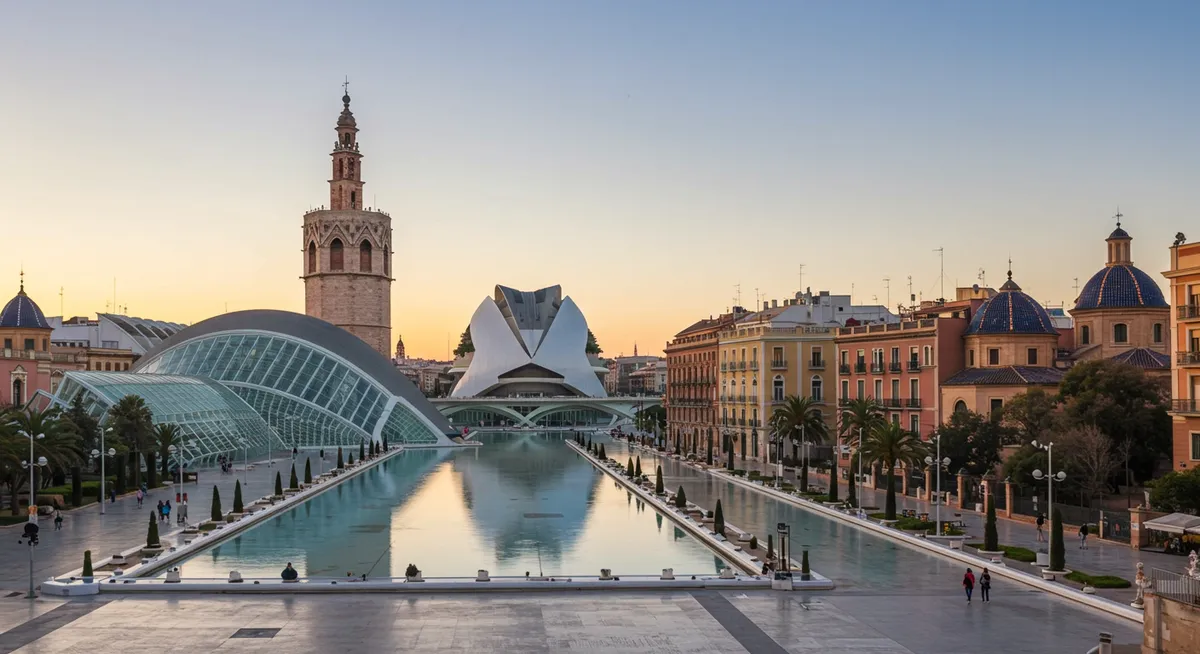
In contrast, Valencia’s modern art scene is epitomized by the City of Arts and Sciences, a futuristic complex designed by Santiago Calatrava. Its avant-garde architecture and interactive exhibits showcase Valencia’s embrace of innovation and its commitment to pushing artistic boundaries. This blend of art, science, and technology provides a unique cultural experience for visitors of all ages. Moreover, contemporary art galleries and urban art projects throughout the city demonstrate Valencia’s ongoing evolution as a creative center. For instance, you might be interested in discovering the nightlife Valencia has to offer, explore Valencia nightlife experiences.
Pro Tip: Take a guided tour of the City of Arts and Sciences to fully appreciate the architectural brilliance and the scientific concepts behind the exhibits.
Furthermore, Valencia’s commitment to the arts is evident in its numerous museums and cultural centers, which host a variety of exhibitions and performances throughout the year. Whether you are interested in classical paintings, contemporary sculptures, or avant-garde installations, Valencia offers a diverse range of artistic experiences to captivate your senses. Consider experiencing Valencia Cathedral, St. Nicholas, and Lonja de la Seda tour to see gothic and modern architecture.
Ready to immerse yourself in Valencia’s artistic evolution? Discover more about Valencia’s cultural experiences and plan your visit today to witness the seamless blend of Gothic splendor and modern innovation.
Immersing Yourself in Valencia’s Culinary Pillar Page: A Taste of Tradition
Valencia’s culinary scene is a vibrant reflection of its rich history and Mediterranean location. From bustling markets overflowing with fresh produce to cozy restaurants serving age-old recipes, Valencia offers a delightful gastronomic journey for every palate. As you explore Valencia cultures, make sure to immerse yourself in the flavors that define this beautiful coastal city. Trying the local food is more than just eating; it’s about understanding the essence of Valencian life.
Must-Try Valencian Dishes
No culinary exploration of Valencia is complete without indulging in paella, the region’s most famous dish. Originating from the farmlands surrounding Valencia, this rice dish is traditionally cooked over an open fire and features ingredients like rabbit, chicken, and local beans. Another culinary highlight is horchata, a refreshing drink made from tiger nuts, often enjoyed with fartons, sweet pastries perfect for dipping. Moreover, you should not miss out on trying esgarraet, a simple yet flavorful salad made with salt cod, roasted red peppers, and garlic. To discover more about the historical influences on Valencian gastronomy, consider visiting our page on Valencia’s history.
Furthermore, Valencia’s seafood is incredibly fresh, given its coastal location. You can savor dishes like grilled octopus, clóchinas (local mussels), and a variety of fish prepared with traditional Valencian sauces. Therefore, a visit to the Central Market is a must for any food enthusiast, allowing you to witness the abundance of local ingredients firsthand.
Pro Tip: For an authentic experience, seek out restaurants that are frequented by locals. These establishments often serve the most traditional and flavorful dishes.
Valencia’s culinary landscape also reflects its culture of innovation. While traditional dishes remain at the heart of Valencian cuisine, modern chefs are creatively reinventing classics, offering unique and exciting dining experiences. Consequently, you can find innovative tapas bars and gourmet restaurants that blend tradition with contemporary techniques.
For those keen to experience Valencian cuisine hands-on, consider joining a paella cooking class, which often includes a tour of the Central Market. This offers a fantastic opportunity to learn about local ingredients and the art of paella making. To continue your culinary journey, explore our detailed guide on Valencia’s cuisine.
Ready to tantalize your taste buds? Discover Valencia’s culinary delights and immerse yourself in a world of flavors that tell the story of this vibrant city.
Unveiling Hidden Gems: Unique Cultural Spots in Valencia
💡 Pro Tip: Book your Valencia adventures in advance through Viator for the best deals!
Valencia, beyond its renowned landmarks, is brimming with unique cultural spots that offer a deeper glimpse into its soul. Exploring these hidden gems allows travelers to step off the beaten path and discover authentic Valencia Cultures experiences. From historic artisan workshops to lesser-known museums, these sites provide an intimate connection with the city’s heritage and artistic spirit. Furthermore, these unique spots often reveal stories and traditions that are not readily apparent in mainstream tourist destinations.
The Elixir of History: L’Iber, the Tin Soldier Museum
One such gem is L’Iber, the Tin Soldier Museum, which houses an astonishing collection of miniature historical figures. Housed in a beautifully restored medieval palace, this museum offers a fascinating journey through history, told through meticulously crafted tin soldiers. Indeed, the museum’s vast collection spans various eras and cultures, providing a captivating educational experience for visitors of all ages. As you wander through the exhibits, you’ll gain insights into significant historical events and figures, making it a truly unique cultural experience. To delve further into Valencia’s rich history, consider exploring our historical overview of the city.
Artisanal Workshops: A Glimpse into Traditional Crafts
Valencia is also home to several traditional artisan workshops where you can witness skilled craftspeople at work. These workshops often specialize in ceramics, silk, or leather goods, preserving ancient techniques passed down through generations. Visiting these workshops not only supports local artisans but also provides a rare opportunity to learn about the intricate processes involved in creating these beautiful objects. For instance, you might find a workshop where they still make traditional Valencian ceramics. These items are often available for purchase, allowing you to take home a unique and authentic souvenir. For a taste of Valencia’s flavors, don’t miss the opportunity to explore the city’s culinary scene.
Pro Tip: Check local listings for open studio days or workshops where you can participate in hands-on craft activities, creating a memorable and immersive cultural experience.
Moreover, consider a guided walking tour that focuses on these lesser-known cultural spots, providing you with insider knowledge and access to hidden courtyards and historical landmarks.
Ready to uncover Valencia’s best-kept secrets? Explore our resources to plan a culturally rich and unforgettable journey!
Local Guides: Navigating Valencia’s Cultural Neighborhoods
Exploring Valencia’s cultural neighborhoods is like stepping into different worlds, each offering a unique glimpse into the city’s vibrant tapestry. Local guides can greatly enhance this experience, providing insights that go beyond the typical tourist trail. With their knowledge, you can uncover hidden gems, understand local customs, and truly immerse yourself in the authentic Valencia Cultures.
Benefits of Hiring a Local Guide
Firstly, local guides offer unparalleled knowledge. They know the history, the stories, and the secrets of each neighborhood, bringing the streets to life with anecdotes and details you won’t find in guidebooks. Moreover, they can navigate the intricate streets with ease, ensuring you don’t miss any important landmarks or cultural hotspots. For instance, a guided tour through the historic El Carmen district can reveal its Moorish past and bohemian present. Also, local guides can adapt the tour to your interests, whether you’re passionate about architecture, food, or street art.
Furthermore, engaging with a local guide supports the local economy. By choosing a local expert, you’re directly contributing to the livelihoods of people who are passionate about sharing their city’s culture. This creates a more sustainable and authentic travel experience. In addition, local guides can provide recommendations for the best local eateries, shops, and cultural events, helping you avoid tourist traps and discover truly authentic experiences. For instance, they might introduce you to a family-run tapas bar in Ruzafa or a hidden flamenco show in Benimaclet.
In conclusion, consider a guided walking tour to experience the heart of Valencia. Check out this guided tour of Valencia’s Old Town that includes wine and tapas.
Pro Tip: Book your local guide in advance, especially during peak season, to ensure availability and secure the best possible experience.
Whether you’re interested in the historical architecture of El Carmen, the modern vibe of Ruzafa, or the maritime charm of El Cabanyal, a local guide can unlock the secrets of these diverse neighborhoods. Discover more about Valencia’s history on our Valencia History page. They provide not only facts and figures but also personal stories and cultural insights that will enrich your understanding of Valencia’s cultural identity. Let a local guide lead you on a journey through Valencia’s cultural neighborhoods, creating unforgettable memories and a deeper connection to this vibrant city.
Ready to dive deeper into Valencia’s rich neighborhoods? Explore our curated experiences to uncover the authentic heart of Valencia.
Seasonal Activities: Experiencing Valencia’s Cultures Year-Round
Valencia’s vibrant culture is on display throughout the year, with each season offering unique opportunities to engage with local traditions and festivities. Whether you’re drawn to the fiery celebrations of Las Fallas or the serene ambiance of a summer evening by the Mediterranean, Valencia offers a diverse range of experiences that reflect its rich cultural heritage. As a result, planning your visit around specific seasonal events can significantly enhance your understanding and appreciation of Valencia Cultures.
Spring: Embracing Renewal and Festivities
Spring in Valencia is synonymous with Las Fallas, a UNESCO-recognized festival that transforms the city into a vibrant spectacle of art, satire, and pyrotechnics. From March 1st to 19th, giant ninots (papier-mâché figures) adorn the streets, culminating in a grand burning ceremony on the final night. Furthermore, the city comes alive with music, street performances, and traditional Valencian attire, offering an immersive cultural experience. Additionally, spring is an ideal time to explore Valencia’s gardens and parks, such as the Turia Gardens, which bloom with lush greenery and colorful flowers. Discover more about Valencia’s historical landmarks on our history page.
Summer: Coastal Delights and Outdoor Celebrations
Summer in Valencia is characterized by its coastal charm and outdoor activities. The city’s beaches become popular spots for locals and tourists alike, offering opportunities for swimming, sunbathing, and enjoying fresh seafood at beachfront restaurants. Moreover, numerous festivals and concerts take place throughout the summer months, celebrating Valencian music, dance, and cuisine. Sunset catamaran cruises are a particularly enchanting way to experience the Mediterranean Sea, often including sparkling wine to enhance the ambiance. Indeed, experiencing the city’s nightlife is unforgettable during these months. For those interested in sea adventures, consider a sunset catamaran cruise with sparkling wine.
Autumn: Gastronomic Adventures and Cultural Immersion
Autumn brings a culinary focus to Valencia, with harvest festivals and gastronomic events showcasing the region’s rich agricultural heritage. This is the perfect time to indulge in traditional Valencian dishes, such as paella and horchata, and to explore the city’s vibrant markets, including the Central Market. Besides that, the cooler temperatures make it ideal for walking tours of the historic city center and visits to cultural landmarks. To explore Valencia’s food culture, visit our cuisine page.
Winter: Festive Traditions and Cozy Experiences
Winter in Valencia offers a quieter, more intimate cultural experience. The Christmas season is marked by festive markets, Nativity scenes, and traditional celebrations. Also, New Year’s Eve is celebrated with gusto, with fireworks and parties lighting up the city. Consider exploring Valencia’s family-friendly attractions for those traveling with children during the winter months, as highlighted on our family fun page.
Explore our curated travel resources to plan your seasonal adventure and fully immerse yourself in the diverse Valencia Cultures year-round.
The City of Arts and Sciences: Valencia’s Modern Cultural Icon
The City of Arts and Sciences (Ciudad de las Artes y las Ciencias) stands as a testament to Valencia’s forward-thinking spirit and its embrace of modern Valencia Cultures. Designed by renowned architects Santiago Calatrava and Félix Candela, this architectural marvel is not just a collection of buildings; instead, it represents a vibrant hub where science, technology, nature, and art converge. As you approach the complex, the sleek, futuristic structures against the Valencian skyline create an awe-inspiring panorama. The City of Arts and Sciences has become an iconic symbol, reflecting Valencia’s commitment to innovation and cultural enrichment.
Exploring the Architectural Wonders
The complex comprises several distinct buildings, each offering a unique experience. L’Hemisfèric, with its eye-shaped design, houses an IMAX cinema and planetarium, providing immersive cinematic and astronomical experiences. El Museu de les Ciències Príncipe Felipe is an interactive science museum that makes learning engaging and fun for all ages. Moreover, L’Oceanogràfic, the largest aquarium in Europe, showcases diverse marine ecosystems from around the world. It’s definitely a place to explore for families, as outlined in our Valencia family fun guide.
Furthermore, the Palau de les Arts Reina Sofía is an opera house and performing arts center, hosting world-class performances that celebrate music, theater, and dance. Lastly, L’Umbracle is a landscaped garden and outdoor art gallery, offering a tranquil space to admire native plants and contemporary sculptures. Besides that, each building’s unique design contributes to the overall architectural harmony, making the City of Arts and Sciences a visual masterpiece.
Pro Tip: To avoid long queues, purchase your tickets online in advance, especially during peak tourist season. Also, consider visiting during the late afternoon to enjoy the complex as it lights up at dusk.
Visiting the City of Arts and Sciences provides not only a feast for the eyes but also a deeper appreciation for Valencia’s dedication to blending culture with innovation. It’s a place where you can explore the wonders of the ocean at the L’Oceanogràfic sea life center.
Ready to experience Valencia’s modern cultural icon? Check out our additional guides to discover even more of what Valencia has to offer and plan your unforgettable trip today!
The Silk Exchange: A UNESCO World Heritage Site
🌟 Local Expert Tip: Get the most out of your Valencia visit with guided tours!
The Silk Exchange, or La Lonja de la Seda, stands as a testament to Valencia’s rich trading history and its significance as a major economic hub during the 15th and 16th centuries. This iconic building, now a UNESCO World Heritage Site, exemplifies the Gothic architecture of the period and showcases the prosperity that Valencia enjoyed through the silk trade. Exploring the Silk Exchange offers a unique glimpse into the commercial and cultural life of the city during its golden age. As you step inside, you’re immediately transported back in time, surrounded by the grandeur and historical importance of this architectural masterpiece.
Architectural Marvels and Historical Significance
The Silk Exchange is not only a beautiful building but also a symbol of the economic power Valencia wielded during the height of the silk trade. Its construction began in 1482 and was completed in the 16th century, replacing an earlier structure. The main hall, known as the Sala de Contratación (Contract Hall), is a vast space supported by elegant columns that resemble palm trees, creating an awe-inspiring atmosphere. Furthermore, the building’s intricate details, including the gargoyles and the inscriptions, reflect the moral and commercial values of the time. You can delve deeper into Valencia’s historical context by visiting our page on Valencia’s history.
Moreover, the Silk Exchange served as a meeting place for merchants, where they conducted business and exchanged goods. The Consulado del Mar (Consulate of the Sea), also part of the complex, was a maritime tribunal that dealt with commercial disputes. Its presence highlights Valencia’s importance as a key Mediterranean trading port. Therefore, visiting the Silk Exchange provides invaluable insights into the Valencia Cultures of commerce, law, and governance that shaped the city.
Pro Tip: Take your time to examine the details of the columns and the ceiling in the Contract Hall. Each element tells a story about the values and beliefs of the merchants who once traded here.
Visiting the Silk Exchange is an essential experience for anyone interested in Valencia’s cultural heritage. Besides its architectural beauty, it also provides a profound understanding of the city’s historical and economic importance. Also, consider enhancing your visit with a guided tour to learn more about the building’s history and significance. Valencia offers countless opportunities to immerse yourself in its rich heritage. If you want to see more cultural sights, consider a tour of the Valencia Cathedral, St. Nicholas Church, and the Silk Exchange.
Ready to explore Valencia’s cultural treasures? Discover more about the city’s historical sites and plan your visit today!
Central Market: A Food Lover’s Cultural Paradise
Valencia’s Central Market (Mercado Central) stands as a vibrant testament to the city’s rich culinary heritage and bustling cultural life. As one of Europe’s oldest and largest fresh produce markets, it is not only a place to shop but also a feast for the senses. Exploring this architectural gem offers a unique glimpse into the heart of Valencia cultures, showcasing the region’s diverse flavors and the lively spirit of its people. A visit here is, therefore, essential for anyone seeking an authentic Valencian experience.
A Historical and Architectural Marvel
Designed in the early 20th century by Francesc Guàrdia i Vial, a graduate of the Barcelona School of Architecture, and completed by Alexandre Soler i March, the Central Market is an architectural masterpiece of Valencian Art Nouveau. Its iron and glass structure allows natural light to flood the interior, creating a bright and inviting atmosphere. The colorful ceramic tiles and ornate details reflect the city’s artistic flair. Moreover, the market’s design incorporates symbolic elements that represent the agricultural wealth of the region, reminding visitors of Valencia’s deep connection to its land. To discover more about Valencia’s historical sites, explore our historical pillar page.
A Gastronomic Adventure
The Central Market is home to hundreds of stalls offering a vast array of fresh produce, seafood, meats, cheeses, and local delicacies. Here, you can find everything from freshly caught Mediterranean fish to locally grown oranges, all of which are essential ingredients in Valencian cuisine. As you wander through the market, you’ll encounter vendors eager to share their knowledge and passion for their products. Furthermore, sampling local specialties such as horchata (a sweet milk-like beverage made from tiger nuts) and turrón (a traditional almond nougat) provides an authentic taste of Valencia. For more culinary delights, you can explore our cuisine pillar page.
Beyond the food, the Central Market embodies the social and cultural fabric of Valencia. It’s a place where locals gather to shop, chat, and share recipes, creating a vibrant community atmosphere. Consequently, tourists and locals alike can immerse themselves in the daily life of the city, gaining a deeper understanding of Valencian customs and traditions.
Pro Tip: Arrive early in the morning to experience the market at its liveliest and to secure the freshest ingredients. Don’t be afraid to ask vendors for recommendations or samples – they are often delighted to share their expertise.
For an unforgettable experience, consider joining a paella cooking class that includes a tour of the Central Market. You’ll learn about the key ingredients that make Valencian paella so special, and, of course, enjoy the fruits of your labor afterward.
Ready to explore Valencia’s culinary heart? Plan your visit to the Central Market and discover the vibrant culture and flavors of this beautiful city.
Fallas Festival: Valencia’s Fiery Cultural Celebration
The Fallas Festival, or Las Fallas, is Valencia’s most iconic cultural event, transforming the city into a vibrant spectacle of art, satire, and tradition. Celebrated annually from March 1st to March 19th, this UNESCO-recognized festival is a fiery testament to Valencian creativity and community spirit. During this time, the city erupts in a whirlwind of parades, fireworks, and the burning of colossal, intricately crafted figures known as fallas. The festival is deeply rooted in local history, evolving from ancient carpenter traditions into a modern expression of art and social commentary.
The Heart of Fallas: Art and Satire
At the heart of the Fallas Festival are the fallas themselves—monumental sculptures made from wood, cardboard, and polystyrene. These towering figures often depict satirical scenes, political commentary, and humorous takes on current events. Each falla is the result of months of painstaking work by local artists, who pour their creativity and craftsmanship into these ephemeral masterpieces. As the festival culminates, these incredible artworks are set ablaze in a dramatic and cathartic ritual known as La Cremà (the burning), symbolizing renewal and the cycle of life.
Moreover, the festival is not only a visual feast but also an auditory experience. The streets resonate with the sounds of marching bands, traditional music, and the thunderous roar of mascletàs—daytime firecracker displays that shake the city to its core. The Ofrenda de Flores (Offering of Flowers) is another significant event, where thousands of Valencians dressed in traditional costumes parade through the streets to offer flowers to the Virgin Mary, the patron saint of Valencia. To immerse yourself further in Valencia’s rich history, consider exploring the historical landmarks that contribute to the city’s cultural tapestry.
Pro Tip: Arrive early to secure a good viewing spot for the mascletàs and the cremà, as these events draw massive crowds. Also, be prepared for constant noise and activity throughout the festival!
Furthermore, experiencing the Fallas Festival offers a unique insight into the soul of Valencia. It is a time when the community comes together to celebrate its identity, express its views, and embrace its traditions with unbridled passion. Whether you are captivated by the artistic ingenuity of the fallas, moved by the solemnity of the Ofrenda de Flores, or thrilled by the explosive energy of the mascletàs, the Fallas Festival promises an unforgettable cultural experience.
Why not enhance your visit with a guided tour of Valencia’s old town, combining historical sights with local culinary delights?
Ready to witness Valencia’s most spectacular cultural event? Check out our curated resources for experiencing the best of Valencia Cultures during the Fallas Festival and beyond!
Valencia’s vibrant culture offers something for everyone, from ancient history to modern art. Start planning your exploration of Valencia’s cultures today and immerse yourself in the heart of Spain!
Frequently Asked Questions
A: The most popular cultural experiences in Valencia include visiting the City of Arts and Sciences, exploring the historic Silk Exchange, and attending a traditional paella cooking class.
A: The best time to enjoy Valencia’s cultures is during the spring and fall when the weather is mild and there are numerous festivals and events.
A: The cost to experience Valencia’s cultures varies, but you can expect to spend around €50-€150 per day, including entrance fees, food, and transportation.