
The Complete Valencia History Guide: Cultural & Historical Landmarks
Table of Contents
Want to find the best nightlife deals for this destination? Chat with our nightlife specialist!
Get Nightlife TipsCategory: valencia-history
The Ultimate Valencia History Guide: Explore by Cultural & Historical Category
Discover the captivating history of Valencia through its rich cultural and historical landmarks. This guide categorizes everything you need to know, covering its iconic attractions, hidden gems, and essential planning tips to make the most of your visit in 2024. From the ancient Roman influences to the vibrant modern culture, explore Valencia’s evolution through the ages.
Cultural Attractions: Discover Valencia’s Artistic Heritage
Valencia, a city brimming with history, also boasts a vibrant artistic heritage that captivates visitors from around the globe. Exploring Valencia‘s cultural attractions offers a deep dive into the city’s unique identity, revealing layers of history through its art, architecture, and traditions. From ancient monuments to modern masterpieces, the city provides a rich tapestry of experiences for every art enthusiast. Therefore, visitors should set aside ample time to immerse themselves in all Valencia has to offer.
Must-Visit Museums and Galleries
The city is home to numerous museums and galleries that showcase its artistic evolution. The Museu de Belles Arts de València, for example, houses an impressive collection of Valencian art from the 14th to the 20th centuries, including works by renowned artists such as Sorolla and Goya. In addition, the IVAM (Institut Valencià d’Art Modern) focuses on modern and contemporary art, displaying works by both Spanish and international artists. For more insights into Valencia‘s art scene, you might find our guide to Valencia’s Art Scene helpful.
Furthermore, Valencia‘s commitment to preserving its artistic legacy is evident in its beautifully restored historical buildings, which now serve as cultural centers. These venues often host exhibitions, concerts, and theatrical performances, providing a dynamic and engaging way to experience Valencia‘s cultural richness. Exploring Valencia’s Historic Districts is a great way to encounter these gems.
Pro Tip: Check the local listings for free museum days or discounted admission prices to make the most of your cultural exploration.
Moreover, Valencia’s streets themselves are canvases, adorned with vibrant murals and street art that reflect the city’s contemporary culture and spirit. A stroll through neighborhoods like El Carmen reveals stunning examples of urban art, adding another layer to Valencia’s artistic narrative. It’s definitely worth checking out Valencia’s Street Art to appreciate this modern form of cultural expression.
Whether you are drawn to classical masterpieces or cutting-edge contemporary art, Valencia’s cultural attractions offer something for everyone. Don’t forget to explore a guided tour to immerse yourself in the rich artistic heritage of Valencia.
Ready to discover Valencia’s artistic treasures? Plan your visit today and immerse yourself in the beauty and creativity that define this captivating city!
Historical Landmarks: Tracing Valencia’s Past Through Iconic Sites
Valencia, a city steeped in history, boasts a wealth of iconic sites that narrate its rich and diverse past. From Roman foundations to Moorish influences and the grandeur of the Spanish Golden Age, Valencia History is etched into every stone and structure. Exploring these landmarks offers a fascinating journey through the centuries, providing a tangible connection to the events and people who shaped this vibrant metropolis. Therefore, a visit to Valencia is not complete without immersing yourself in its historical treasures.
Key Landmarks in Valencia
One of the most significant historical landmarks is the Valencia Cathedral, a stunning example of architectural evolution with Romanesque, Gothic, and Baroque elements. Inside, visitors can admire the Holy Grail, believed to be the chalice used by Jesus Christ at the Last Supper. Afterwards, venture to the nearby Silk Exchange (La Lonja de la Seda), a UNESCO World Heritage Site, representing the city’s prosperous mercantile past during the 15th and 16th centuries. For instance, its intricate Gothic architecture and historical significance make it a must-see.
Furthermore, the Central Market, though a more recent structure, stands on the site of earlier markets and represents Valencia’s continued importance as a trading hub. It is not only a feast for the senses with its colorful displays of fresh produce but also a testament to Valencia’s culinary heritage. Moreover, for a deeper understanding of the architectural styles, consider visiting our page on Valencia’s Architecture.
Pro Tip: Purchase a Valencia Tourist Card for free entry and discounts to many of these historical sites, making your exploration both convenient and cost-effective.
In addition to these, the historic districts themselves, like El Carmen, offer a labyrinth of narrow streets, ancient walls, and hidden squares, each telling its own unique story. Walking through these areas, one can almost feel the echoes of the past resonating through the centuries. To further enhance your historical exploration, you might enjoy a guided tour of the Old Town with wine and tapas, offering a delightful way to experience Valencia’s history and culture.
Ready to discover Valencia’s historical landmarks? Explore our curated tours and guides to uncover the stories behind these iconic sites and delve into the captivating past of this remarkable city.
Valencia’s Hidden Gems: Uncovering Underrated Historical Treasures
Beyond the bustling Central Market and the futuristic City of Arts and Sciences, Valencia holds a wealth of lesser-known historical sites that offer unique glimpses into its rich past. Exploring these hidden gems provides a deeper understanding of Valencia’s cultural evolution, revealing stories often missed by mainstream tourism. Indeed, these sites showcase the city’s multifaceted history, from its Roman origins to its Golden Age.
The Almoina Archaeological Center
Nestled beneath the Plaza de la Almoina, the Almoina Archaeological Center is a captivating time capsule that unveils Valencia’s Roman, Visigothic, and Arab past. Here, visitors can walk through the remains of ancient streets, thermal baths, and religious buildings, gaining firsthand insight into the city’s earliest foundations. Moreover, interactive displays and informative exhibits bring these ruins to life, making it an engaging experience for history enthusiasts. To fully appreciate Valencia’s art scene, consider visiting Valencia’s Art Scene.
The Church of San Nicolás de Bari and San Pedro Mártir
Often referred to as the “Sistine Chapel of Valencia,” the Church of San Nicolás de Bari and San Pedro Mártir is a baroque masterpiece that should not be missed. Its interior is adorned with breathtaking frescoes that depict the lives of Saint Nicholas of Bari and Saint Peter Martyr. Furthermore, the church’s stunning artistry and serene atmosphere offer a tranquil escape from the city’s hustle and bustle. In addition to its artistic value, the church stands as a testament to Valencia’s religious heritage.
The Walls of Valencia
While significant portions of Valencia’s ancient city walls have disappeared over time, remnants can still be found, offering glimpses into the city’s medieval defenses. The most notable section is the Torres de Serranos, but other fragments are scattered throughout the old town, often integrated into newer buildings. Therefore, a keen eye and a spirit of exploration can reveal these historical echoes, providing a tangible connection to Valencia’s fortified past. You can discover more historical places at Valencia’s Historic Districts.
Pro Tip: Take a guided walking tour of the old city to discover hidden historical markers and learn fascinating stories from local experts.
Exploring Valencia’s hidden historical treasures offers a richer, more nuanced understanding of the city’s cultural identity. Consider enhancing your visit with a guided tour of Valencia’s old town that combines history with local culinary delights.
Ready to unearth Valencia’s hidden past? Explore our resources and begin planning your adventure into the city’s most underrated historical sites.
Local Guides: Experiencing Valencia’s History with Expert Insights
🌟 Local Expert Tip: Get the most out of your Valencia visit with guided tours!
Exploring Valencia’s rich history becomes an even more immersive experience when accompanied by knowledgeable local guides. These experts bring the city’s past to life, offering insights and stories that go beyond what you’ll find in guidebooks. Furthermore, their passion for Valencia’s heritage is contagious, making your journey through its historical landmarks both educational and engaging. By choosing a local guide, you’re not just seeing the sights; you’re understanding the context, the culture, and the significance of each location in the broader tapestry of Valencia History.
The Benefits of a Guided Tour
Opting for a guided tour offers numerous advantages. First, local guides possess in-depth knowledge of Valencia’s historical sites, from the Roman ruins to the UNESCO-listed Silk Exchange. They can navigate the intricate alleyways of the historic districts, sharing anecdotes and lesser-known facts that enrich your understanding. Moreover, a guided tour can save you valuable time and effort. Instead of navigating maps and deciphering historical markers on your own, you can relax and absorb the information provided by your guide. As you delve into the city’s historical narrative, consider exploring Valencia’s Historic Districts to enhance your knowledge.
Additionally, local guides often tailor their tours to suit your interests, whether you’re fascinated by architecture, art, or culinary traditions. They can also provide recommendations for local restaurants, shops, and cultural events, enhancing your overall experience. For instance, while exploring the city, you might find yourself captivated by the distinctive architecture of Valencia. However, consider the advantage of having a local guide provide context for the various architectural styles found throughout the city.
Pro Tip: Research and book your guided tours in advance, especially during peak season, to ensure availability and secure the best rates. Also, check reviews to find a guide whose style matches your interests.
In addition to standard walking tours, many local guides offer specialized experiences, such as culinary tours that explore the history of Valencian cuisine or art tours that delve into the city’s vibrant art scene. You might even uncover hidden gems and local traditions that you wouldn’t find on your own. For instance, consider the unique experience of a guided tour of Valencia’s Old Town with wine and tapas, where you can savor both the history and flavors of the city. Ultimately, engaging with local guides offers a unique and enriching way to connect with Valencia’s past, creating lasting memories and a deeper appreciation for its cultural heritage.
Ready to explore Valencia’s history with an expert? Browse our curated selection of local tours and start your unforgettable journey today!
Roman Valencia: Exploring the Ancient Origins
Valencia’s history stretches back over two millennia, with its Roman roots deeply embedded in the city’s cultural fabric. Founded in 138 BC by the Roman consul Decimus Junius Brutus Callaicus, Valentia Edetanorum quickly became an important settlement within the Roman Empire. Exploring this ancient heritage provides a fascinating glimpse into the city’s formative years and reveals how Roman influence shaped Valencia into the vibrant metropolis it is today. Therefore, understanding the Roman legacy is crucial for appreciating the full depth of Valencia’s rich past. Besides, this historical foundation sets the stage for all subsequent developments in the city.
Key Roman Sites and Artifacts
While modern Valencia has grown and evolved, remnants of its Roman past can still be discovered throughout the city. The Valencia Cathedral, for instance, stands on the site of a former Roman temple dedicated to Diana. Furthermore, the Almoina Archaeological Center offers an immersive experience, showcasing the layers of history beneath the city, including well-preserved Roman ruins. Exploring the Almoina allows visitors to walk through the ancient streets of Valentia and witness the infrastructure that supported Roman life. Consequently, it’s an essential stop for anyone interested in Valencia history.
In addition to the Almoina, several other locations reveal pieces of Roman Valencia. Fragments of Roman roads, aqueducts, and residential buildings have been unearthed during archaeological excavations, providing tangible links to the past. For example, the Roman Forum, once the heart of Valentia’s political and social life, now lies beneath the Plaza de la Virgen, where ongoing research continues to uncover more about this period. Moreover, these discoveries enhance our understanding of daily life in Roman Valencia.
Pro Tip: Visit the Almoina Archaeological Center early in the morning to avoid crowds and fully appreciate the historical significance of the site.
Exploring the Roman history of Valencia enriches the visitor experience, offering a deeper appreciation for the city’s cultural evolution. To delve further into Valencia’s cultural attractions, visit our guide to Valencia’s museums, where you can find extensive collections of Roman artifacts and learn more about the city’s ancient past. As a result, you’ll gain a more complete perspective of Valencia’s historical timeline.
Ready to explore the ancient origins of Valencia? Begin your journey with a guided tour of the city’s historical sites and immerse yourself in the stories of Roman Valentia.
The Silk Exchange (La Lonja de la Seda): A UNESCO World Heritage Site
The Silk Exchange, or La Lonja de la Seda, stands as a magnificent testament to Valencia’s prosperous Golden Age during the 15th and 16th centuries. This architectural masterpiece, designated a UNESCO World Heritage Site, served as the epicenter for silk trade, a cornerstone of Valencia’s economy. Its imposing structure and intricate details reflect the city’s commercial power and artistic achievements, making it a must-see for anyone interested in Valencia History.
Architectural Grandeur and Historical Significance
As you approach La Lonja, its Gothic façade commands attention. The building is divided into four main sections: the Trading Hall (Sala de Contratación), the Central Tower, the Consulate of the Sea (Consolat del Mar), and the Orange Garden (Pati dels Tarongers). Each area offers a unique glimpse into the building’s multifaceted role in Valencia’s commercial and civic life. For instance, the Trading Hall, with its soaring vaulted ceilings and twisting columns, evokes a sense of awe and grandeur, underscoring the importance of the transactions that once took place here. Similarly, visiting other sites, you might be interested to explore the distinctive architecture of Valencia.
Moreover, the Consolat del Mar, adorned with impressive frescoes and elaborate wood carvings, served as the maritime tribunal. Here, merchants resolved disputes and established trade regulations, demonstrating Valencia’s significant maritime influence. Furthermore, the tranquil Orange Garden provides a peaceful retreat, its orange trees symbolizing prosperity and serving as a reminder of Valencia’s agricultural wealth.
Pro Tip: Visit La Lonja during the late afternoon to capture stunning photographs as the sunlight filters through the Gothic windows, illuminating the intricate details of the architecture.
Exploring La Lonja offers valuable insights into Valencia’s rich cultural heritage. The building’s architecture not only reflects the Gothic style but also incorporates Renaissance elements, illustrating the city’s openness to new ideas and artistic influences. Also, by visiting this guided tour, you will gain a better understanding of La Lonja.
Immerse yourself in Valencia’s captivating past and plan your visit to La Lonja de la Seda today. Discover the stories and secrets held within its walls and experience the legacy of Valencia’s Golden Age firsthand.
Valencia Cathedral: A Blend of Architectural Styles
The Valencia Cathedral, also known as the Metropolitan Cathedral–Basilica of the Assumption of Our Lady of Valencia, stands as a testament to the city’s rich and complex history. It’s not just a religious site; it’s a living museum where various architectural styles converge, reflecting the different periods of Valencia’s past. Construction of the cathedral began in the 13th century on the site of a former Roman temple, which later became a mosque, thus incorporating layers of cultural and historical significance into its very foundation. Visiting this iconic landmark provides a deep dive into the Valencia History, revealing the blend of cultures that have shaped the city.
Exploring the Architectural Fusion
As you approach the cathedral, you’ll notice its predominantly Gothic facade. This style is particularly evident in the pointed arches and ribbed vaults that characterize much of the original structure. However, as you explore further, you’ll discover Romanesque elements, such as the Puerta del Palau (Palace Gate), one of the oldest parts of the cathedral. Moreover, Renaissance additions, like the Chapel of the Resurrection, showcase a different aesthetic with their classical motifs and balanced proportions. Baroque influences are also present, especially in the elaborate altarpiece and decorative details that adorn certain sections of the interior. This fusion creates a visually stunning and historically informative experience. To further appreciate Valencia’s artistic side, consider exploring the vibrant Valencia art scene after your visit.
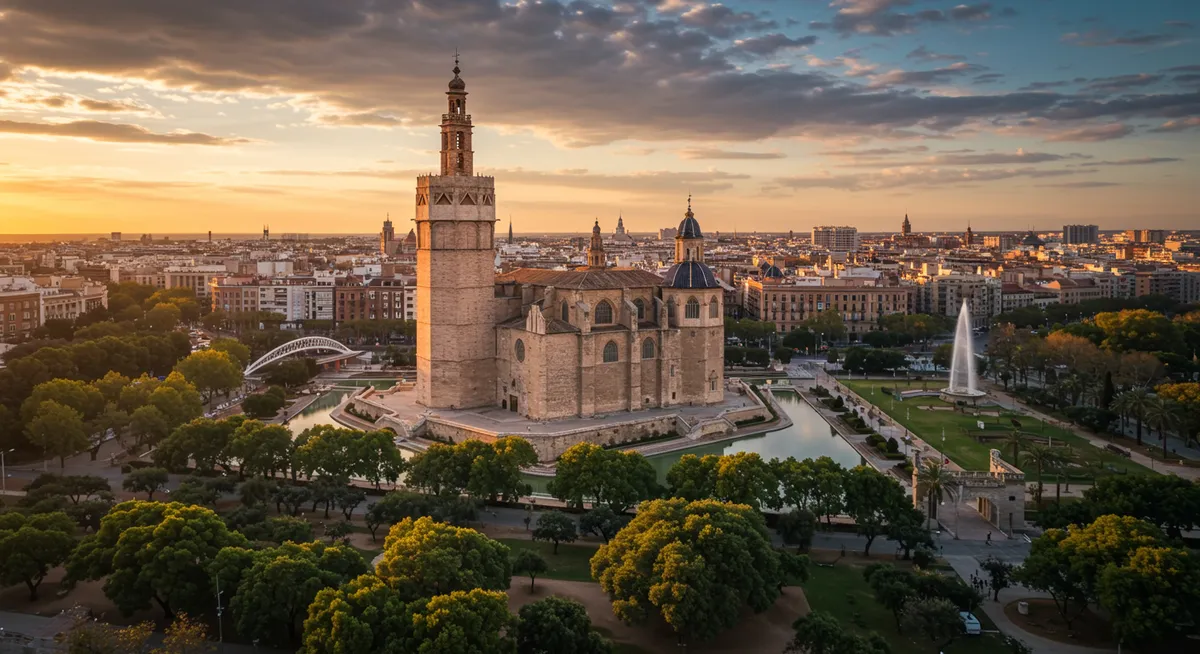
Furthermore, the cathedral houses what many believe to be the Holy Grail, adding to its allure and historical importance. The Santo Cáliz Chapel is a major attraction, drawing pilgrims and tourists alike. Therefore, a visit to Valencia Cathedral is not just an architectural tour; it’s a journey through centuries of faith, art, and history. Additionally, the cathedral’s bell tower, known as El Miguelete, offers panoramic views of Valencia. Climbing the tower provides a unique perspective on the city and its historical layout. As you explore the historical landmarks, also consider the Valencia historic districts for a broader historical context.
Pro Tip: Consider taking a guided tour of the Valencia Cathedral to fully appreciate the intricate details and historical significance of each architectural element.
For those interested in exploring Valencia’s historical treasures more comprehensively, a guided tour of the Valencia Cathedral, St. Nicholas Church, and La Lonja de la Seda is available through GetYourGuide, offering an in-depth look at these UNESCO World Heritage sites.
Ready to uncover more about Valencia’s architectural marvels? Discover more historical sites and plan your visit with our detailed travel resources.
Central Market: A Culinary and Historical Experience
🌟 Local Expert Tip: Get the most out of your Valencia visit with guided tours!
The Central Market (Mercado Central) of Valencia is not only one of Europe’s oldest and largest fresh produce markets but also a significant historical landmark. Visiting this bustling hub offers a unique blend of culinary delights and historical insights into Valencia’s vibrant culture. Moreover, its stunning architecture and lively atmosphere make it an essential destination for anyone interested in experiencing Valencia’s history firsthand.
Architectural Marvel
The market, designed by Francesc Guàrdia i Vial and Alexandre Soler i March (both graduates of Lluís Domènech i Montaner’s school), stands as a prime example of Valencian Art Nouveau. Construction began in 1914, and the market officially opened in 1928. As you wander through its halls, the high ceilings, stained glass windows, and intricate ironwork tell a story of Valencia’s prosperous past and its commitment to architectural beauty. Furthermore, the building’s design reflects the city’s agricultural wealth and its status as a major trading center. For those interested in more architectural marvels, consider exploring other architectural gems in Valencia.
A Hub of Local Life
More than just a market, the Central Market is a vibrant center of local life. Hundreds of vendors offer a wide array of fresh produce, seafood, meats, and local delicacies. Therefore, it’s the perfect place to immerse yourself in the local culture and sample authentic Valencian cuisine. Besides, the market provides insight into the daily lives of Valencians, offering a glimpse into their culinary traditions and social interactions. The sights, sounds, and smells of the market create an immersive experience that connects you to the heart of Valencia.
Pro Tip: Visit the Central Market in the morning to experience its full vibrancy and to secure the freshest produce. Also, don’t hesitate to sample local specialties from various vendors!
Culinary Delights and Historical Significance
As you explore the market, you’ll encounter a range of traditional Valencian ingredients that have been integral to the region’s cuisine for centuries. From the ingredients for authentic paella to local oranges and turrón, the market offers a taste of Valencia’s culinary heritage. Additionally, many vendors have been operating in the market for generations, preserving traditional techniques and recipes that contribute to the city’s cultural identity.
Consider taking a guided tour that combines a visit to the Central Market with a paella cooking class, allowing you to learn about the ingredients and create your own Valencian masterpiece, like this paella cooking class with Central Market tour. Ready to discover more? Dive into Valencia’s captivating past and uncover more historical districts in Valencia for an enriched travel experience.
City of Arts and Sciences: A Modern Contrast Rooted in History
The City of Arts and Sciences in Valencia presents a striking contrast to the city’s historical core, yet it is intrinsically linked to the cultural and economic evolution of Valencia. This futuristic complex, designed by Santiago Calatrava and Félix Candela, emerged from the desire to revitalize Valencia and project it as a forward-thinking, innovative city. Though modern in appearance, its foundations lie in the rich history of Valencia, showcasing how the city embraces progress while honoring its heritage. The complex has become a symbol of modern Valencia, attracting visitors from around the globe.
Architectural Marvel and Historical Context
The construction of the City of Arts and Sciences began in the late 1990s on the former site of the Turia River bed, which was diverted to prevent flooding after a devastating flood in 1957. This act of urban planning transformed a potential hazard into a space for cultural enrichment, demonstrating Valencia’s capacity for adaptation and resilience. Each building within the complex serves a specific purpose, yet together they form a cohesive vision of arts, science, and nature, thus reflecting Valencia’s multifaceted identity. Exploring Valencia’s unique architecture provides a deeper appreciation for the blend of historical styles and contemporary designs found throughout the city.
The complex comprises several iconic structures, including L’Hemisfèric (an IMAX cinema, planetarium, and laserium), El Museu de les Ciències Príncipe Felipe (a science museum), L’Umbracle (a landscaped walk with native plant species), L’Oceanogràfic (Europe’s largest aquarium), and Palau de les Arts Reina Sofía (an opera house and performing arts center). Each building’s design is carefully integrated into the overall aesthetic, creating a harmonious blend of form and function.
Pro Tip: Plan your visit to coincide with a performance at the Palau de les Arts to experience world-class opera in a stunning architectural setting.
While wandering through this modern marvel, one should remember that Valencia’s spirit of innovation has deep historical roots. The city has consistently embraced new ideas and technologies throughout its history, from its early days as a Roman colony to its flourishing silk trade in the Middle Ages. The City of Arts and Sciences represents a continuation of this tradition, pushing the boundaries of architectural and scientific innovation. Furthermore, by visiting Oceanogràfic and other complexes, you can experience the modern marvels Valencia offers.
As you explore Valencia, take time to appreciate how the City of Arts and Sciences honors the past while embracing the future, cementing its place as a must-see destination for anyone interested in the intersection of culture, science, and history.
How to Plan the Perfect Valencia Historical Tour
Planning the perfect historical tour of Valencia involves carefully considering your interests, time constraints, and desired level of immersion. Valencia, a city steeped in history, offers a diverse range of historical sites, from Roman ruins to stunning examples of Gothic and Baroque architecture. To ensure a memorable and enriching experience, a well-thought-out itinerary is essential.
Crafting Your Itinerary
Firstly, begin by identifying the key periods or aspects of Valencia’s history that intrigue you most. Are you fascinated by the Roman era, the Moorish influence, or the city’s Golden Age? Based on your interests, prioritize the historical landmarks you wish to visit. Consider starting with the Valencia Cathedral, a magnificent structure that showcases a blend of architectural styles reflecting different periods of the city’s history. Afterwards, explore the Silk Exchange (La Lonja de la Seda), a UNESCO World Heritage site and a testament to Valencia’s significant role in the silk trade. Don’t forget to include the Central Market, where you can experience the vibrant local culture while admiring the market’s historical architecture.
Furthermore, consider the pace of your tour. Do you prefer a leisurely exploration, allowing ample time at each site, or a more fast-paced approach to cover as much ground as possible? To delve deeper into specific periods, consider visiting museums such as the Museo de Historia de Valencia, which provides insights into the city’s evolution over the centuries. Moreover, to understand more about Valencia’s rich artistic heritage, visit Valencia’s museums.
Pro Tip: Purchase a Valencia Tourist Card for access to public transportation and discounts on entry fees to many historical sites. This can save you time and money!
Enhancing Your Experience
To truly immerse yourself in Valencia’s history, consider joining a guided tour. Local guides can provide valuable insights and anecdotes that bring the city’s past to life. For example, a guided walking tour can take you through the historic districts, revealing hidden gems and untold stories. Alternatively, explore Valencia’s Old Town with a guided tour, which include wine and tapas. Additionally, researching local customs and traditions can deepen your appreciation for the city’s cultural heritage. Consider attending a traditional festival or event to experience Valencia’s vibrant spirit firsthand.
Ready to uncover the secrets of Valencia History? Start planning your historical tour today and discover the captivating stories behind this remarkable city.
Safety & Travel Tips for Exploring Valencia’s History
Exploring the rich tapestry of Valencia History is an enriching experience, but ensuring your safety and comfort is paramount. Valencia is generally a safe city, yet like any popular tourist destination, it’s wise to take precautions. By being aware and prepared, you can fully enjoy the historical marvels Valencia has to offer, from its ancient Roman roots to its stunning modern architecture.
General Safety Tips
First, it’s essential to be mindful of your belongings. Keep valuables out of sight and use a secure bag to deter pickpockets, especially in crowded areas such as the Central Market or during festivals. Moreover, avoid walking alone in poorly lit or deserted streets late at night. Instead, stick to well-lit and populated areas. Furthermore, always be aware of your surroundings and trust your instincts. If a situation feels uncomfortable, remove yourself from it. Also, it is advisable to learn a few basic Spanish phrases. While many locals speak English, knowing some Spanish will enhance your interactions and show respect for the local culture.
Transportation Safety
Valencia offers various transportation options, including buses, trams, and taxis. For instance, when using public transportation, keep an eye on your belongings and be aware of potential scams. Additionally, if you choose to rent a bike to explore the city, wear a helmet and follow traffic laws. Similarly, taxis are generally safe, but ensure the taxi is licensed and uses a meter. Consider using ride-sharing apps for added security and transparency. However, if you prefer exploring on foot, wear comfortable shoes, as you’ll be doing a lot of walking, especially when visiting historical districts. Be prepared for uneven cobblestone streets. In addition, stay hydrated, particularly during the hot summer months.
Health and Emergency Information
It’s also a good idea to have travel insurance that covers medical emergencies. Keep a copy of your passport and other important documents in a safe place, separate from the originals. In case of an emergency, dial 112 for police, ambulance, or fire services. The emergency operators typically speak English. Also, familiarize yourself with the location of the nearest hospital or clinic. Moreover, stay informed about local news and any potential safety advisories. To further enrich your understanding of Valencia’s cultural landscape, visit our page on Valencia’s Traditions.
To experience a relaxing evening after a day of historical exploration, consider a sunset catamaran cruise.
Ready to discover the wonders of Valencia safely? Explore our resources for guided tours and historical insights to make the most of your trip!
Exploring Valencia’s history through its cultural and historical landmarks offers a captivating journey through time. From its Roman roots to its modern vibrancy, Valencia stands as a testament to the enduring power of cultural evolution. Dive deeper into each category to uncover the unique stories and hidden gems that make Valencia a must-visit destination. Plan your historical adventure today and immerse yourself in the rich tapestry of Valencia’s past! Compare the best options and start planning your trip!
Frequently Asked Questions
A: Valencia boasts a wealth of cultural and historical sites, including the Valencia Cathedral, the Silk Exchange (La Lonja de la Seda), and the Central Market. Each offers a unique glimpse into different eras of Valencia’s past. For historical insights, visiting the City of Arts and Sciences provides an interesting modern contrast rooted in Valencia’s forward-thinking culture.
A: The best times to explore Valencia’s historical sites are during the spring and fall. The weather is mild, making it ideal for walking tours and outdoor explorations. Additionally, visiting during off-peak seasons means fewer crowds at popular attractions.
A: The cost of experiencing Valencia’s historical and cultural landmarks can vary. Many historical sites offer free admission or reduced rates for students and seniors. Budget approximately €10-€20 per site for entry fees, and consider purchasing a Valencia Tourist Card for discounts on multiple attractions and transportation.
A: The Valencia Cathedral, dating back to the 13th century, houses the Holy Grail, believed by many to be the authentic cup used by Jesus during the Last Supper. The Silk Exchange, a UNESCO World Heritage site, showcases Valencia’s importance in the silk trade during the 15th and 16th centuries. Don’t miss the Central Market, one of Europe’s oldest and largest fresh produce markets.
A: Valencia is generally a safe city for tourists. However, as with any popular tourist destination, it’s essential to be aware of your surroundings and take precautions against pickpockets, especially in crowded areas. Avoid walking alone in poorly lit areas at night.
A: Pack comfortable walking shoes, sunscreen, a hat, and a reusable water bottle, especially if visiting during the warmer months. A light jacket or sweater is advisable for evenings. Don’t forget your camera to capture the city’s stunning architecture and historical sites.