
Valencia Traditions: 7 Unique Local Customs
Table of Contents
Want to find the best nightlife deals for this destination? Chat with our nightlife specialist!
Get Nightlife TipsCategory: valencia-traditions
Unveiling Valencia Traditions: A Local’s Guide
Valencia, a city brimming with history and culture, boasts a unique set of traditions that set it apart. From the fiery spectacle of Las Fallas to the refreshing taste of horchata, Valencia traditions offer a captivating glimpse into the city’s soul. This guide explores the must-know Valencia traditions, offering insights for travelers and culture enthusiasts alike.
Las Fallas: A Fiery Celebration of Art and Culture
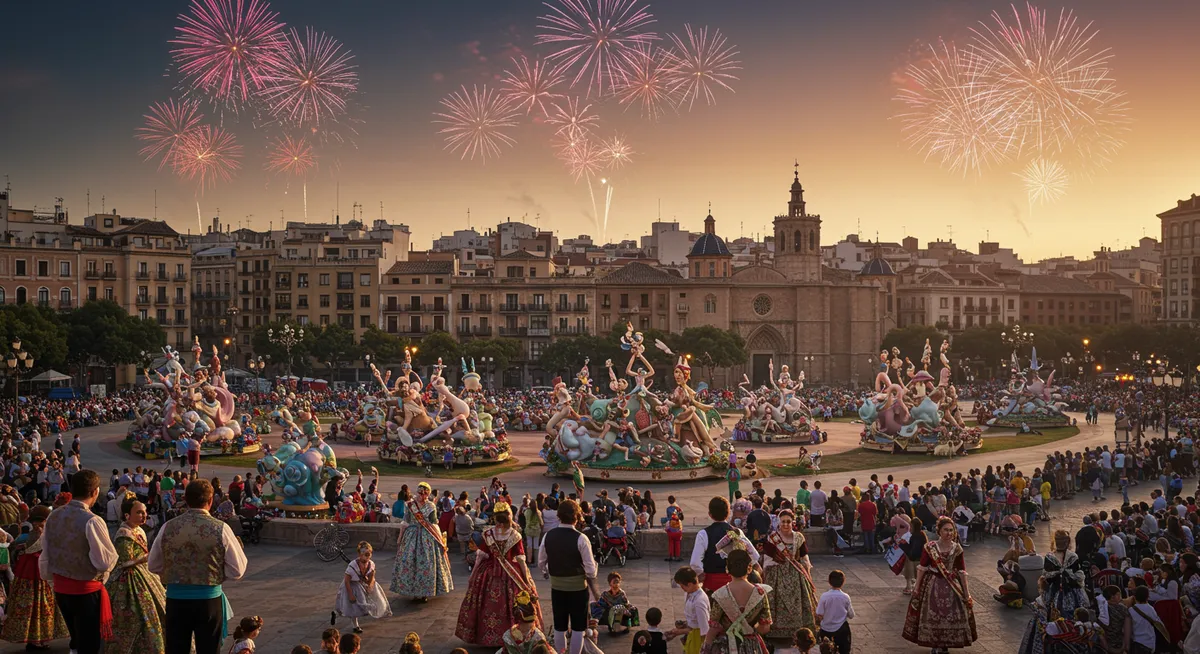
Las Fallas is one of Valencia‘s most iconic festivals, a spectacular display of art, satire, and tradition held annually in March. This vibrant celebration transforms the city into an open-air museum, showcasing intricate ninots (large paper-mâché figures) that are then set ablaze in a breathtaking climax. Each neighborhood creates its own elaborate display, competing for recognition and awards. In addition to the visually stunning sculptures, the festival is filled with music, parades, and the constant crackle of firecrackers, creating an immersive sensory experience.
The origins of Las Fallas trace back to ancient carpenter traditions, with the burning of wood scraps to celebrate the arrival of spring. Over time, this practice evolved into the elaborate artistic displays we see today. Also, a key aspect of Las Fallas is the satirical nature of the ninots, which often depict political figures and current events with humor and irony. Furthermore, the festival provides a platform for social commentary and artistic expression, making it a unique cultural event.
Travel Tip: Arrive a few days before the main events to witness the ninots being constructed and to fully experience the vibrant atmosphere of Valencia during Las Fallas.
To truly appreciate Valencia‘s traditions, explore the city’s other cultural gems, such as its historical districts and guided walking tours. Immerse yourself in the fiery passion of Las Fallas and discover why it remains a cherished Valencia tradition.
La Tomatina: The World’s Largest Tomato Fight
La Tomatina, celebrated annually in Buñol near Valencia, is a chaotic and exhilarating tomato fight that draws participants from around the globe. This unique festival is one of Valencia traditions. On the last Wednesday of August, the town square transforms into a sea of red as thousands of people hurl overripe tomatoes at each other in a joyous, messy battle. The origins of La Tomatina are somewhat unclear, yet its appeal lies in its pure, unadulterated fun.
The event begins with the “palo jabón,” a greased pole with a ham at the top. As participants try to climb the pole, anticipation builds. Once the ham is retrieved, the tomato trucks arrive, signaling the start of the hour-long frenzy. It is essential for participants to squish the tomatoes before throwing them, both to enhance the impact and to make the experience safer for everyone involved. In addition, it’s recommended that participants wear goggles to protect their eyes.
Travel Tip: Book your accommodation and transport well in advance, as Buñol gets extremely crowded. Also, wear old clothes and closed shoes that you don’t mind getting ruined!
Beyond the tomato fight itself, La Tomatina is a symbol of Valencian zest for life. It’s a celebration where inhibitions are shed, and laughter fills the air. For more on Valencia’s vibrant culture, consider exploring Valencia’s cultural festivals. If you want to witness this extraordinary spectacle, plan ahead and join the fun! Consider a guided experience from Valencia to fully enjoy this tradition. Before heading to Buñol, be sure to discover the marvels of Valencia. Enjoy this splash of pure, unadulterated fun!
Horchata and Fartons: A Taste of Valencian Refreshment
No exploration of Valencia is complete without indulging in horchata and fartons, a beloved culinary tradition. Horchata, made from tiger nuts (chufas), is a sweet, milky beverage unique to this region. Its slightly earthy flavor and creamy texture make it a refreshing treat, especially during the warm Valencian summers. As part of experiencing Valencia traditions, horchata stands out as a unique delight.
Served alongside horchata are fartons, long, glazed pastries perfect for dipping. The combination of the sweet horchata and the light, airy farton creates a delightful balance of flavors and textures. You can find horchata and fartons at local horchaterías throughout the city, each offering their own unique twist on this classic pairing. It is also worth noting that horchata is a traditional beverage, often enjoyed throughout the day.
Expert Tip: For an authentic experience, visit a traditional horchatería in the El Carmen district. Furthermore, try the artisanal fartons, freshly baked for an enhanced flavor.
Moreover, enjoying horchata and fartons is more than just a culinary experience; it’s a cultural immersion. It’s a chance to slow down, savor the local flavors, and connect with the traditions that define Valencia. To continue your culinary journey, discover a paella cooking class. Experience the flavors of Valencia and create lasting memories with this iconic Valencian refreshment.
Paella: The Quintessential Valencian Dish
💡 Pro Tip: Book your Valencia adventures in advance through Viator for the best deals!
No exploration of Valencia Traditions is complete without indulging in paella, the region’s most iconic culinary creation. More than just a rice dish, paella represents a communal experience, a celebration of Valencian identity, and a testament to the region’s rich agricultural heritage. Traditionally cooked over an open fire in a wide, shallow pan, paella showcases a symphony of flavors and textures.
The authentic Valencian paella, known as paella valenciana, typically features rice, rabbit, chicken, snails (optional), and locally sourced vegetables such as garrofó beans and green beans. Saffron, the precious spice that imparts both color and flavor, is indispensable. However, variations abound, with seafood paella (paella de marisco) being especially popular along the coast. The key lies in the socarrat, the slightly caramelized crust at the bottom of the pan, prized for its intense flavor and textural contrast.
Expert Tip: To truly immerse yourself in the paella tradition, consider taking a paella cooking class. This is not only a meal; it is an education in Valencian gastronomy and culture.
Whether you savor it in a beachfront restaurant overlooking the Mediterranean or in a traditional barraca (farmhouse) in the countryside, paella promises an unforgettable culinary journey. For those eager to explore more of Valencia’s culinary scene and cultural landmarks, check out our guides on Valencia’s historic districts and Valencia’s museums. It offers a taste of Valencian hospitality and a deeper understanding of its culinary heritage. Let the aroma of saffron and the clatter of spoons against the paella pan transport you to the heart of Valencia.
Semana Santa Marinera: A Maritime Holy Week
🌟 Local Expert Tip: Get the most out of your Valencia visit with guided tours!
Valencia’s Semana Santa Marinera, or Maritime Holy Week, is a unique and deeply moving tradition that sets it apart from other celebrations in Spain. This festival is celebrated in the maritime districts of Valencia, such as El Cabanyal, El Canyamelar, and La Malvarrosa. It is a vibrant display of faith, history, and community spirit, deeply rooted in the traditions of the fishermen and sailors who have long called these coastal neighborhoods home. Moreover, it is one of the most important events in the Valencia Traditions.
During Semana Santa Marinera, the streets come alive with processions featuring elaborate floats, costumed figures, and marching bands. These processions wind their way through the narrow streets, eventually reaching the sea, symbolizing the close relationship between the community and the Mediterranean. In addition, the event includes the blessing of the waters, a ceremony believed to ensure a bountiful fishing season and the safety of those who navigate the seas.
Expert Insight: To truly experience Semana Santa Marinera, arrive early to secure a good viewing spot along the procession routes and immerse yourself in the local culture. Engage with residents; their stories will enrich your understanding.
The solemnity and passion displayed during Semana Santa Marinera offer a profound insight into Valencia’s cultural identity. It provides an unforgettable experience for visitors seeking to connect with authentic Valencia Traditions. Following the processions, consider exploring the historic districts of Valencia to fully appreciate the city’s rich heritage and its connection to the sea. Discover more about Valencia’s cultural richness and plan your visit today!
The Tribunal de las Aguas: Europe’s Oldest Justice Institution
Valencia is home to the Tribunal de las Aguas (Water Tribunal), an institution with roots dating back to the Roman era. Every Thursday at noon, the black-robed judges convene at the door of Valencia Cathedral to resolve disputes over irrigation water among the farmers of the surrounding plains. This oral court, recognized by UNESCO as Intangible Cultural Heritage, operates entirely in Valencian, preserving a vital part of the region’s linguistic and legal heritage.
The process is remarkably simple and efficient. Farmers present their cases directly to the judges, who, after hearing arguments, deliver verdicts on the spot. There is no appeal, and the decisions are immediately binding. Besides showcasing Valencia’s commitment to its agricultural traditions, the Tribunal also exemplifies a system of justice that emphasizes fairness, transparency, and community involvement.
Expert Insight: Witnessing the Tribunal in session offers a profound glimpse into Valencia’s history and its enduring respect for water management – a critical issue for the region’s agricultural prosperity.
Visiting the Tribunal is an unmissable experience for those keen to explore Valencia Traditions. Furthermore, it provides a unique perspective on how ancient customs continue to shape contemporary life in Valencia. Delve deeper into Valencia’s history and discover its UNESCO heritage sites, each telling a story of cultural richness and historical significance. Plan your visit to coincide with this captivating event.
Valencia’s Ceramics Tradition: A Colorful Legacy
⭐ Recommendation: Don't miss out on amazing Valencia tours - book now!
Valencia’s ceramics tradition is a vibrant and enduring aspect of its cultural identity, reflecting centuries of artistic innovation and craftsmanship. This legacy, deeply embedded in the region’s history, showcases a mastery of techniques passed down through generations. The colorful and intricate designs found on Valencian ceramics tell stories of the region’s past, illustrating its connection to trade, agriculture, and the arts.
From the elaborate tiles adorning historic buildings to the everyday tableware used in homes, ceramics play a significant role in Valencian life. Moreover, the use of locally sourced materials contributes to the uniqueness of these creations, imbuing them with a sense of place. These items are more than just decorative; they are functional art pieces that enrich daily experiences.
Expert Insight: Seek out local workshops to witness the creation process firsthand and perhaps even try your hand at painting your own tile, offering a personal connection to this time-honored craft.
Many local artisans continue to uphold these traditions, creating both traditional designs and contemporary interpretations. Indeed, Valencia’s commitment to preserving its ceramic heritage is evident in its museums and cultural centers. Also, consider exploring the local art scene to discover contemporary ceramic artists who are pushing the boundaries of this traditional craft while keeping with Valencia traditions. Immerse yourself in the beauty and history of Valencia’s ceramics tradition to truly appreciate the city’s artistic soul.
Valencia’s traditions offer a rich tapestry of cultural experiences, from its vibrant festivals to its unique culinary practices. Immersing yourself in these customs provides a deeper understanding and appreciation for the city’s unique identity. Want to delve further into Valencia’s cultural scene? Explore our comprehensive guide to Valencia’s cultural heritage here!
Frequently Asked Questions
A: Las Fallas, Valencia’s most famous festival, is a week-long celebration featuring elaborate papier-mâché figures, fireworks, music, and traditional costumes. It culminates in the burning of the ‘fallas’ on the final night.
A: Horchata is a traditional Valencian drink made from tiger nuts, water, and sugar. It’s typically served cold and is a popular refreshment during the hot summer months.
A: Paella, a rice dish with seafood, meat, and vegetables, originated in Valencia. It’s traditionally cooked in a large, shallow pan over an open fire and is a staple of Valencian cuisine.