
Valencia Cuisine: A Guide to Culinary & Wine Delights
Table of Contents
Want to find the best nightlife deals for this destination? Chat with our nightlife specialist!
Get Nightlife TipsCategory: valencia-cuisine
The Ultimate Valencia Cuisine Guide: Explore by Culinary & Wine
Discover the heart of Spanish gastronomy in Valencia! This comprehensive guide categorizes everything you need to know about Valencia Cuisine, from its world-famous paella and fresh seafood to its unique wines and traditional sweets. Whether you’re a foodie seeking authentic flavors or a wine connoisseur eager to explore local vineyards, Valencia offers a culinary adventure for every palate. In 2024, Valencia continues to be a top destination for culinary tourism, blending traditional recipes with modern innovation.
Valencia Paella: The Definitive Guide to Authentic Rice Dishes
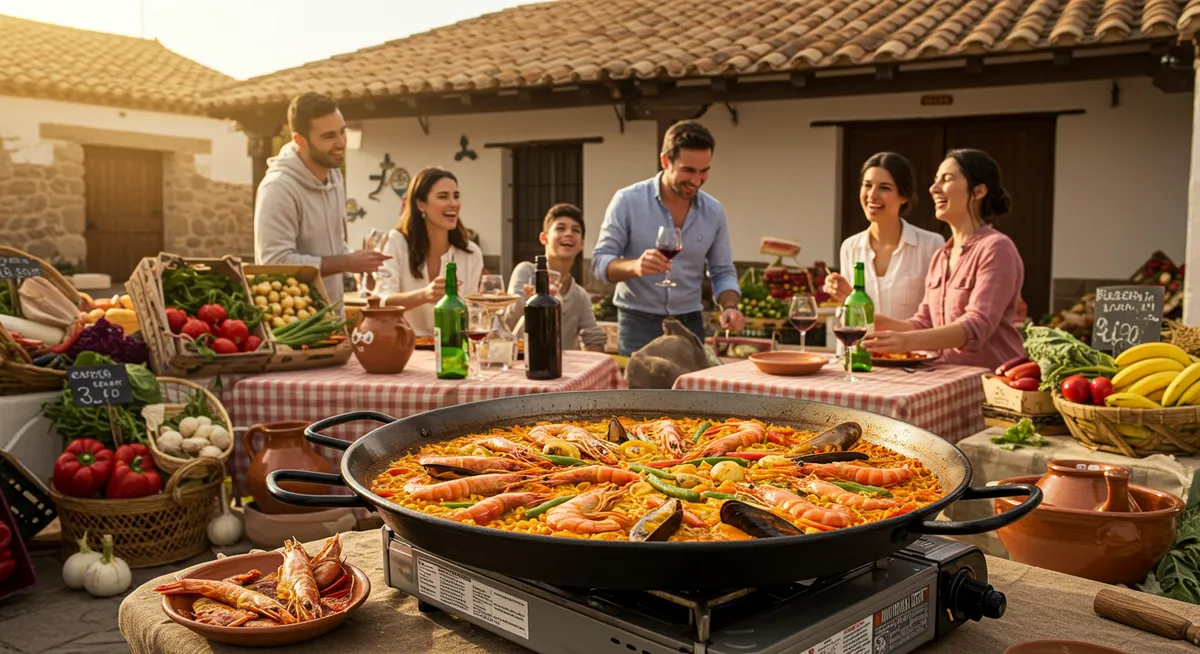
Paella is more than just a dish; it’s a symbol of Valencia, representing the region’s rich agricultural heritage and vibrant culinary traditions. This iconic rice dish, cooked in a wide, shallow pan (also called a paella), is a staple of Valencia Cuisine and a must-try for any visitor. Understanding the nuances of paella, from its ingredients to its cooking methods, is essential for appreciating the authentic flavors of Valencia.
The Essential Ingredients
Authentic Valencian paella, or paella valenciana, traditionally includes rice (typically arroz bomba), chicken, rabbit, snails (optional), garrofó (a type of large white bean), ferraura (green beans), tomatoes, olive oil, saffron, and water. The use of local, fresh ingredients is crucial to achieving the true taste of paella. In addition, some recipes may include rosemary, adding an aromatic touch.
Coastal variations of paella often feature seafood. However, the traditional Valencian paella, originating from the countryside, focuses on meats and vegetables. For those interested in exploring a different rice-based specialty, discover the flavors of Valencia’s gourmet rice dishes.
The Art of Cooking Paella
The cooking process is as important as the ingredients. Firstly, the paella pan is placed over an open fire, traditionally fueled by wood, which imparts a smoky flavor. Secondly, the meat is browned in olive oil before the vegetables are added. The rice is then lightly sautéed before adding water and saffron. It is important to distribute the rice evenly and let it cook undisturbed until the liquid is absorbed. The perfect paella boasts a slightly crispy bottom layer called the socarrat, which is highly prized.
Pro Tip: The socarrat is a sign of a perfectly cooked paella. Don’t be afraid to scrape the bottom of the pan to savor this crispy delight!
Beyond paella, Valencia offers a wealth of culinary experiences. To delve deeper into the city’s vibrant food scene, consider joining a paella cooking class with a Central Market tour, where you’ll learn to prepare this iconic dish from scratch.
Ready to taste the authentic flavors of Valencia? Explore our culinary guides to discover more about Valencia’s rich gastronomic heritage and plan your delicious adventure today!
Seafood Delights: Fresh Catches and Coastal Cuisine in Valencia
Valencia, with its prime location on the Mediterranean coast, is a haven for seafood lovers. The city’s culinary identity is deeply intertwined with the sea, offering an array of fresh catches and exquisite coastal cuisine that tantalizes the taste buds. From bustling seafood markets to elegant seaside restaurants, Valencia provides a rich tapestry of flavors waiting to be explored. Therefore, immerse yourself in the city’s vibrant seafood culture to discover the true essence of Valencia Cuisine.
Must-Try Seafood Dishes in Valencia
One cannot visit Valencia without indulging in its signature seafood dishes. Paella Valenciana, while traditionally made with chicken and rabbit, also boasts incredible seafood variations featuring prawns, mussels, and clams. Besides paella, arroz a banda, another rice dish cooked in fish broth, is a testament to Valencia’s innovative use of seafood. Moreover, you should also sample the local favorites like esgarraet (salt cod with roasted peppers) and clóchinas (Valencian mussels), each offering a unique taste of the sea.
Furthermore, a visit to the local markets such as the Mercat Central or Mercat del Cabanyal offers an authentic glimpse into the region’s seafood bounty. Here, you can witness the daily catch and purchase fresh ingredients to recreate these dishes at home. To explore the vibrant atmosphere of local markets, consider visiting our guide to Valencia’s food markets.
Pro Tip: For the freshest seafood, visit restaurants located near the port or along the beach. These establishments often source their ingredients directly from local fishermen, ensuring a truly authentic culinary experience.
In addition to traditional dishes, many modern Valencian chefs are experimenting with seafood, creating innovative and exciting culinary experiences. For instance, you can find creative tapas featuring local seafood at various tapas bars throughout the city. Check out our guide to the best tapas bars in Valencia for some inspiration.
Finally, consider embarking on a sunset catamaran cruise to fully appreciate Valencia’s coastal beauty while enjoying fresh seafood and sparkling wine.
Ready to dive into Valencia’s seafood scene? Discover more about Valencia’s culinary traditions and plan your gastronomic adventure today!
Valencia Wine Regions: Exploring Utiel-Requena and Beyond
Valencia is not only famous for its vibrant city life and delicious cuisine but also for its diverse wine regions. Venturing beyond the city, you’ll discover the renowned Utiel-Requena and other notable areas, each offering unique terroirs and winemaking traditions. Exploring these regions provides a deeper understanding of Valencia cuisine and its inseparable link to local wines. Therefore, a journey through Valencia’s vineyards is a must for any wine enthusiast.
Utiel-Requena: Valencia’s Wine Heartland
Utiel-Requena, located inland from Valencia, is perhaps the most famous wine region in the province. This area is particularly known for its Bobal grapes, which produce robust, fruity red wines. In fact, Bobal is considered the signature variety of the region, offering wines with rich color, intense aromas, and a distinctive character. Moreover, the high altitude and continental climate contribute to the grapes’ excellent acidity and structure. This region’s wines pair wonderfully with local dishes like paella and hearty stews, enhancing the overall dining experience. You can delve deeper into Valencia’s culinary scene by visiting our Valencia Gourmet page.
Beyond Bobal, Utiel-Requena also produces excellent rosado (rosé) wines and some interesting whites. During a visit to the region, you can explore numerous bodegas (wineries) that offer tours and tastings, allowing you to experience firsthand the passion and dedication of local winemakers. Also, consider a guided tour to fully appreciate the region’s viticultural heritage.
Other Wine Regions in Valencia
While Utiel-Requena takes center stage, Valencia boasts other noteworthy wine regions, each with its own distinct characteristics. For example, the Valencia DO (Denominación de Origen) covers a wider area and includes sub-regions producing a variety of wines, from light, crisp whites to fruity reds. Additionally, the Moscatel de Valencia is famous for its sweet dessert wines, made from the Moscatel grape. These wines provide a delightful complement to traditional Valencian sweets and pastries. Furthermore, exploring these diverse regions adds another layer to your culinary exploration.
Pro Tip: Always check the winery’s opening hours and book your tour in advance, especially during peak tourist season, to ensure a seamless and enriching experience.
Finally, complement your wine exploration with a visit to local markets to discover the fresh ingredients that make Valencia cuisine so unique. See our guide to Valencia’s local markets for more information. Enhance your evening with a Valencia sunset catamaran cruise with sparkling wine, a perfect way to appreciate the Valencian coast.
Tapas Culture: A Guide to Valencia’s Best Tapas Bars
🌟 Local Expert Tip: Get the most out of your Valencia visit with guided tours!
Valencia’s tapas culture is a vibrant and essential part of its culinary identity. Exploring tapas bars is a fantastic way to experience the diverse flavors and social atmosphere of Valencia Cuisine. From traditional bars serving classic dishes to modern establishments offering innovative creations, there’s a tapas experience for everyone. Whether you’re a seasoned foodie or a curious traveler, Valencia’s tapas scene will certainly captivate your taste buds and immerse you in local culture.
Discovering Traditional Tapas Bars
Traditional tapas bars in Valencia often feature a cozy, authentic ambiance, characterized by wooden counters, walls adorned with local art, and the lively chatter of patrons. Here, you can find time-honored classics such as patatas bravas (potatoes with spicy sauce), croquetas (creamy, fried dumplings), and calamares a la romana (battered and fried squid). Moreover, these establishments typically offer a selection of local wines and beers, perfectly complementing the flavors of the tapas. Visiting these bars is not just about eating; it’s about participating in a cultural ritual that has been passed down through generations. To further enhance your knowledge, consider exploring our gourmet guide to Valencia.
Modern Tapas and Innovative Twists
In addition to the traditional offerings, Valencia boasts a thriving scene of modern tapas bars that put a contemporary spin on classic dishes. These establishments often showcase inventive flavor combinations, artistic presentation, and a focus on using fresh, local ingredients. For example, you might find tapas like foie gras with fig jam, mini burgers with gourmet toppings, or seafood ceviche with a Valencian twist. These modern tapas bars usually feature stylish decor, a trendy atmosphere, and an extensive cocktail menu. Indeed, they offer a unique culinary experience that blends innovation with the rich traditions of Valencia.
Pro Tip: Don’t be afraid to try local specialties and ask for recommendations from the bartenders or servers. They can often point you towards hidden gems and the freshest catches of the day.
Tapas bars are frequently located near local markets, making it easy to transition from exploring the vibrant stalls to enjoying delicious small plates. For a deeper dive, check out our guide to Valencia’s food markets. Similarly, understanding Valencia’s wine regions can enhance your tapas experience, as the right wine pairing elevates the flavors of each dish. You might also enjoy a guided tapas tour with wine.
Ready to embark on your culinary journey? Explore Valencia’s best tapas bars and experience the heart of its gastronomy. Discover hidden gems and local favorites that promise an unforgettable taste of Valencia.
Horchata and Fartons: A Sweet Valencia Experience
No visit to Valencia is complete without indulging in the quintessential sweet treat: horchata and fartons. This iconic pairing represents a delightful aspect of Valencia cuisine, deeply rooted in local tradition and enjoyed by locals and tourists alike. Understanding the history and nuances of this refreshing combination offers a unique glimpse into Valencian culture.
The Origins of Horchata and Fartons
Horchata, also known as orxata de xufa, is a milky-looking beverage made from tiger nuts (chufas), water, and sugar. Its origins trace back to ancient times, with tiger nuts being cultivated in the Valencia region for centuries. According to legend, a king was once offered this drink and, upon tasting it, exclaimed, “Açò és or, xata!” which translates to “This is gold, girl!” in Valencian – hence the name horchata. Over time, it has evolved into a beloved staple, especially during the hot summer months. As a complement to this cool drink, fartons were created. These sweet, elongated pastries are designed to be dipped into horchata, adding a delightful contrast of textures and flavors. Furthermore, the combination of horchata and fartons has become synonymous with Valencian gastronomy.
To further explore Valencia’s culinary scene, be sure to check out our guide to Valencia’s street food, where you can discover even more local delicacies.
Where to Find the Best Horchata and Fartons
Valencia boasts numerous horchaterías, establishments dedicated to serving this refreshing drink. However, some stand out for their commitment to quality and tradition. Horchatería Daniel, for example, is renowned for using locally sourced tiger nuts and time-honored recipes. Similarly, a visit to a local market, as detailed in our guide to Valencia’s local markets, can provide an authentic experience of purchasing tiger nuts directly from local farmers.
Pro Tip: Order your horchata granizada (with crushed ice) for an extra refreshing treat on a hot day.
In addition to dedicated horchaterías, many cafes and bakeries throughout the city also offer horchata and fartons. For instance, you can find it in the Russafa neighborhood, known for its trendy cafes and vibrant atmosphere. Before you leave, consider visiting Valencia and discover world heritage sites.
Ready to experience the sweet side of Valencia? Embark on a culinary journey to discover the best horchata and fartons this vibrant city has to offer, while exploring other aspects of Valencia cuisine.
Arroz a Banda: Discovering Another Valencian Rice Masterpiece
While paella often steals the spotlight, arroz a banda stands as another testament to Valencia’s rich rice-cooking heritage. This flavorful dish, whose name translates to “rice aside,” originally featured rice cooked in fish broth, served separately from the fish itself. Over time, the presentation has evolved, but the essence of this culinary delight remains deeply rooted in the region’s coastal traditions. Indeed, exploring Valencia’s cuisine means venturing beyond the familiar and embracing the diverse array of rice dishes that define its gastronomy.
The Origins and Evolution of Arroz a Banda
Historically, arroz a banda was a practical creation of Valencian fishermen. They would first use the less marketable fish to create a rich, flavorful broth. Subsequently, the rice was cooked in this broth, absorbing all the oceanic flavors. The more desirable fish was then served as a separate course. Eventually, chefs began serving the fish alongside the rice, enriching the dining experience. Consequently, it became a staple in coastal restaurants, appreciated for its simplicity and intense seafood flavor.
Preparing arroz a banda involves several key steps. First, a sofrito of tomatoes, onions, and garlic is gently sautéed to build a flavorful base. Then, fish stock, made from various types of seafood, is added. The rice, typically Bomba rice for its excellent absorption properties, is then stirred in and cooked until perfectly tender. Finally, it is often served with a dollop of aioli, adding a creamy garlic touch that complements the seafood flavors beautifully. For an immersive experience in local cuisine, consider joining a Valencia paella cooking class with a Central Market tour, where you can learn about the ingredients and techniques that go into creating authentic Valencian dishes.
Pro Tip: Look for arroz a banda cooked in a traditional paella pan over an open fire for an authentic smoky flavor.
Arroz a banda offers a delightful alternative to paella, showcasing the versatility of rice in Valencia Cuisine. Its robust flavors and maritime heritage make it a must-try for any food enthusiast visiting the region. Also, do not miss the opportunity to explore other aspects of Valencia’s culinary scene, such as its vibrant tapas culture and exceptional wine regions. Furthermore, sampling arroz a banda provides a deeper understanding of Valencia’s gastronomic identity, revealing layers of history and tradition in every bite.
Ready to explore more of Valencia’s unique flavors? Discover our curated list of local eateries and start your culinary adventure today!
Turrón: Indulging in Valencia’s Traditional Nougat
No visit to Valencia is complete without indulging in turrón, a traditional nougat that holds a special place in the hearts of Valencians. This sweet treat is particularly popular during the Christmas season, but it’s available year-round for those with a sweet tooth. Turrón is more than just a candy; it’s a cultural symbol that represents family, tradition, and celebration in Valencia. Whether you’re strolling through local markets or enjoying a meal at a gourmet restaurant, you’re likely to encounter this delightful confection.
A Taste of History and Tradition
Turrón’s origins trace back to the Moorish influence in Spain, with recipes passed down through generations. It is primarily made from almonds, honey, sugar, and egg whites, although variations abound. The most famous types include Turrón de Jijona, a soft, chewy nougat, and Turrón de Alicante, a hard nougat with whole almonds. These varieties reflect the rich agricultural heritage of the region, where almonds have been cultivated for centuries. Exploring Valencia’s culinary landscape reveals a deep connection to its history, and turrón is a perfect example of this.
Pro Tip: When buying turrón, look for the Denominación de Origen Protegida (DOP) label to ensure you’re getting authentic, high-quality turrón made in the traditional way.
Where to Find the Best Turrón in Valencia
You can find turrón in various locations throughout Valencia, from specialized confectionery shops to local markets. Many family-run businesses have been making turrón for generations, using time-honored recipes and techniques. Exploring Valencia’s local markets not only offers the opportunity to sample different varieties but also provides a glimpse into the local culture and traditions. Moreover, some shops offer turrón-making demonstrations, allowing you to witness the craftsmanship that goes into creating this delectable treat.
Beyond markets, gourmet shops and even some restaurants feature turrón in desserts or as a sweet accompaniment to coffee. For those interested in other sweet treats, discovering Valencia’s gourmet offerings can lead to unique culinary experiences.
Discovering turrón is an essential part of experiencing Valencia Cuisine. Ready to explore more of Valencia’s culinary scene? Plan your food adventure today and uncover the delicious secrets of this vibrant city!
Seasonal Specialties: Valencia Cuisine Through the Year
Valencia’s culinary scene is deeply rooted in its seasonal produce, meaning that the best Valencia cuisine experiences often depend on the time of year you visit. From the freshest seafood to vibrant fruits and vegetables, the region’s dishes celebrate the ingredients that are at their peak during each season. Therefore, understanding these seasonal variations enhances your culinary journey, offering a taste of Valencia at its most authentic.
Spring: A Celebration of Vegetables and Seafood
Spring in Valencia brings an abundance of fresh vegetables like artichokes, broad beans, and peas, which feature prominently in local dishes. As the weather warms up, seafood also takes center stage, with dishes featuring succulent prawns, cuttlefish, and sea bass gracing restaurant menus. Moreover, this is the perfect time to explore local markets, such as the Valencia Central Market, and sample the season’s best offerings. To truly immerse yourself, consider exploring Valencia’s vibrant food markets, where you can find the freshest seasonal produce and interact with local vendors.
Moreover, the arrival of spring also heralds the beginning of outdoor dining season. Many restaurants set up terraces, allowing you to savor your meal while enjoying the pleasant Mediterranean climate. Consequently, it’s a delightful time to indulge in classic Valencian tapas. For a guided culinary adventure, you might enjoy a paella cooking class combined with a Central Market tour, allowing you to select fresh ingredients for your dish.
Autumn and Winter: Hearty Stews and Citrus Delights
As the weather cools down in autumn and winter, Valencian cuisine shifts towards heartier fare. Stews featuring beans, potatoes, and various meats become popular, offering warmth and comfort during the colder months. Citrus fruits, particularly oranges and mandarins, are at their peak, providing a burst of freshness and flavor. Furthermore, these fruits are not only enjoyed fresh but also used in desserts and savory dishes, adding a distinctive Valencian touch. During this season, you can also discover the art of gourmet dining through Valencia’s gourmet scene, experiencing innovative takes on traditional dishes using seasonal ingredients.
Pro Tip: Look out for restaurants that highlight seasonal ingredients on their menus. This is a sure sign that you’re getting the freshest and most authentic Valencian cuisine experience.
Are you ready to discover the seasonal flavors of Valencia? Plan your trip around the region’s culinary calendar and savor the best that Valencia has to offer throughout the year.
Michelin-Starred Dining: Valencia’s Culinary Excellence
⭐ Recommendation: Don't miss out on amazing Valencia tours - book now!
Valencia’s culinary scene has blossomed in recent years, earning the city a well-deserved reputation as a gastronomic hotspot. At the forefront of this culinary revolution are its Michelin-starred restaurants, which offer innovative and refined dining experiences. These establishments showcase the region’s rich ingredients and culinary traditions, while pushing the boundaries of flavor and presentation. Exploring these culinary temples offers an unparalleled insight into the sophistication of Valencia Cuisine.
Notable Michelin-Starred Restaurants
Several restaurants in Valencia have earned the coveted Michelin stars, each offering a unique approach to Valencian cuisine. Ricard Camarena Restaurant, perhaps the most celebrated, offers avant-garde tasting menus that highlight seasonal produce from the restaurant’s own garden. Similarly, Quique Dacosta Restaurante, although slightly outside the city, is within easy reach and provides an experience that blends art and gastronomy, focusing on the essence of the Mediterranean.
Furthermore, you can find exceptional dining experiences at restaurants like La Salita, where Begoña Rodrigo blends Valencian tradition with a modern sensibility, creating dishes that are both innovative and deeply rooted in the region’s culinary heritage. These restaurants not only offer exquisite food but also impeccable service and elegant atmospheres, ensuring a memorable dining experience.
Pro Tip: Reservations at Michelin-starred restaurants in Valencia are highly recommended, often weeks or even months in advance, especially during peak tourist season. Consider booking well ahead of your visit to secure your spot.
In addition to the main courses, wine pairing is an integral part of the Michelin-starred dining experience. Most restaurants offer extensive wine lists featuring local wines from regions like Utiel-Requena, allowing you to discover the perfect complement to your meal. For those interested in learning more about local wines, consider a Valencia wine tour.
Valencia’s Michelin-starred restaurants are not just about the food; they are about creating an immersive experience that celebrates the art of gastronomy. From the meticulously crafted dishes to the elegant settings, every detail is designed to delight the senses. To experience more of Valencia’s culinary diversity, you might also enjoy exploring the vibrant atmosphere of the Valencia food markets. Also, consider a Paella cooking class with central market tour
Ready to indulge in Valencia’s finest cuisine? Explore our recommended dining options and plan your visit to experience the pinnacle of Valencian gastronomy.
Valencia Culinary Experiences: Cooking Classes and Food Tours
Immerse yourself in the heart of Valencia Cuisine with hands-on cooking classes and immersive food tours that promise an authentic taste of Spain. These experiences offer a unique opportunity to learn about the region’s culinary traditions, sample local delicacies, and explore the vibrant markets that are central to Valencia’s food culture. Whether you’re a seasoned foodie or a curious traveler, Valencia’s culinary scene has something to enchant every palate. Therefore, embarking on a culinary adventure is a must for anyone visiting this vibrant city.
Dive into Paella Perfection
No visit to Valencia is complete without mastering the art of paella. Join a paella cooking class where expert chefs guide you through each step of the process, from selecting the freshest ingredients at the local markets to perfecting the cooking technique over an open flame. Additionally, these classes often include a visit to the bustling Central Market, where you can discover an array of local produce, seafood, and spices. Ultimately, you’ll not only learn to cook paella but also understand its cultural significance. For a comprehensive experience, consider a paella cooking class with a Central Market tour to deepen your appreciation for Valencia’s culinary heritage.
Explore Valencia’s Tapas Scene
Valencia’s tapas bars are vibrant hubs of social and culinary activity. Guided tapas tours take you through the city’s best spots, allowing you to sample a variety of small plates paired with local wines and beers. These tours are not only a delicious way to experience the local cuisine but also an excellent opportunity to learn about the history and culture behind each dish. Also, you might consider taking a self-guided tour of the best Valencia tapas bars to customize your culinary exploration.
Pro Tip: Don’t miss out on trying local specialties like patatas bravas, croquetas, and gambas al ajillo (garlic shrimp) during your tapas tour.
Moreover, for a deeper dive into the local markets, explore Valencia’s food markets, where you can witness the daily life of Valencian vendors and sample fresh, local produce. Whether you opt for a guided tour or a hands-on cooking class, Valencia’s culinary experiences promise a flavorful and memorable journey. So, why wait? Book your spot now and savor the tastes of Valencia!
Hidden Gems: Lesser-Known Culinary Delights of Valencia
Beyond paella and horchata, Valencia’s culinary scene hides a treasure trove of lesser-known delights waiting to be discovered. Exploring these hidden gems offers a more intimate and authentic taste of Valencia cuisine, allowing you to experience the local culture through its unique flavors. Therefore, venturing off the beaten path promises unforgettable gastronomic adventures.
Esgarraet: A Simple Yet Exquisite Salad
One such delight is Esgarraet, a traditional Valencian salad featuring salt cod, roasted red peppers, and garlic, dressed with olive oil. Its name comes from the Valencian verb ‘esgarrar,’ meaning to tear or shred, referring to how the cod is prepared. This dish perfectly balances the saltiness of the cod with the sweetness of the peppers, creating a refreshing and flavorful experience. Moreover, it exemplifies the simplicity and quality of ingredients that define Valencian cooking. You can explore more hidden gems like Esgarraet by visiting Valencia’s vibrant local markets.
Titaina: The Heart of Cabanyal
Titaina is another culinary gem, originating from the maritime district of Cabanyal. This flavorful pepper and tomato relish typically includes tuna, roasted pine nuts, and herbs. Historically, it was a staple for fishermen, providing a hearty and flavorful meal at sea. In addition, its robust flavors reflect the coastal influence on Valencian cuisine, making it a must-try for those seeking authentic experiences.
Pro Tip: Seek out small, family-run establishments to find the most authentic versions of these dishes. Often, they use recipes passed down through generations.
Al i Pebre: A Rustic Eel Stew
For the more adventurous palate, All i Pebre is a rustic stew made with eels, garlic, paprika, and potatoes. This dish, traditionally prepared in the Albufera region, showcases the region’s rich biodiversity and culinary heritage. Despite its humble ingredients, it offers a complex and satisfying flavor profile that is both comforting and unique. Furthermore, trying All i Pebre provides insight into Valencia’s connection with its surrounding natural landscapes.
To complement your culinary exploration, consider a guided tour that uncovers these hidden flavors. You might enjoy a Valencia guided old town tour with wine and tapas. Also, make sure to check this comprehensive guide to Valencia’s best tapas for the popular places.
Eager to discover more about Valencia’s culinary secrets? Delve deeper into local eateries and uncover the authentic flavors that make Valencia a true gastronomic paradise!
Craft Beer Scene: A Guide to Valencia’s Best Microbreweries
Valencia’s culinary landscape is not just about paella and oranges; it also boasts a burgeoning craft beer scene that’s capturing the attention of locals and tourists alike. The city is home to a variety of microbreweries and brewpubs, each offering a unique take on traditional and innovative beer styles. Therefore, if you’re a beer enthusiast looking to explore beyond the typical Spanish lagers, Valencia is the perfect place to discover new and exciting flavors. From hoppy IPAs to rich stouts, the Valencia craft beer scene has something for every palate.
Top Microbreweries to Visit
Several microbreweries stand out in Valencia for their quality and innovation. Tyris is one of the pioneering breweries in the region, known for its diverse range of beers and commitment to using local ingredients. Their taproom is a great place to sample their creations and learn about the brewing process. Birra & Blues is another popular spot, offering a cozy atmosphere and a selection of beers that pair perfectly with tapas. Moreover, their live music events add to the vibrant experience. You might also want to explore Valencia’s Best Tapas Bars, to find the perfect pairing for your beer.
Additionally, keep an eye out for smaller, independent breweries that are popping up around the city. These often offer unique, experimental brews that you won’t find anywhere else. Many of these breweries participate in local food and beer festivals, providing a great opportunity to sample a variety of Valencia’s craft beers.
Pro Tip: Check local event listings for craft beer festivals and tasting events. These gatherings are a fantastic way to discover new breweries and sample a wide range of beers.
Exploring Valencia’s Beer Culture
The craft beer scene in Valencia is closely tied to the city’s food culture. Many brewpubs and bars offer curated menus designed to complement their beer selection. As a result, you can enjoy local specialties like patatas bravas, croquetas, and artisanal cheeses alongside your pint. Furthermore, exploring the local markets, such as the Central Market, can provide insight into the ingredients that influence Valencia’s unique beer flavors. Also, for wine lovers, explore Valencia Wine Regions for a great experience.
Are you ready to dive into the heart of Valencia’s beer culture? Discover some of the city’s most refreshing offerings with a local pub crawl and savor the unique flavors of Valencia’s craft breweries. And make sure to check out this tour for an excellent curated pub crawl experience.
Valencia’s cuisine is a vibrant tapestry woven with history, tradition, and innovation. From the iconic paella to the refreshing horchata, each dish tells a story of the region’s rich agricultural heritage and coastal bounty. By exploring Valencia through its culinary categories, you’ll gain a deeper appreciation for its culture and the passion of its chefs and producers. So, compare the best Valencia Cuisine options today and start planning your culinary adventure!
Frequently Asked Questions
A: Valencia offers a diverse range of culinary experiences. For paella, head to La Pepica or Casa Carmela. For tapas, explore the El Carmen neighborhood. For fine dining, try Ricard Camarena Restaurant. Wine enthusiasts should visit the Utiel-Requena region.
A: The best time to visit Valencia for culinary delights is during the shoulder seasons (spring and fall). The weather is pleasant, and you can enjoy outdoor dining and local festivals centered around food and wine.
A: A budget-friendly trip focused on Valencia Cuisine might cost around €50-€75 per day, including tapas, street food, and local wine. Mid-range options with restaurant meals could be €100-€150 per day. Luxury experiences, including fine dining and wine tours, can range from €200 upwards per day.