
Discover Trencadís Mosaics: Valencia's Artistic Gems
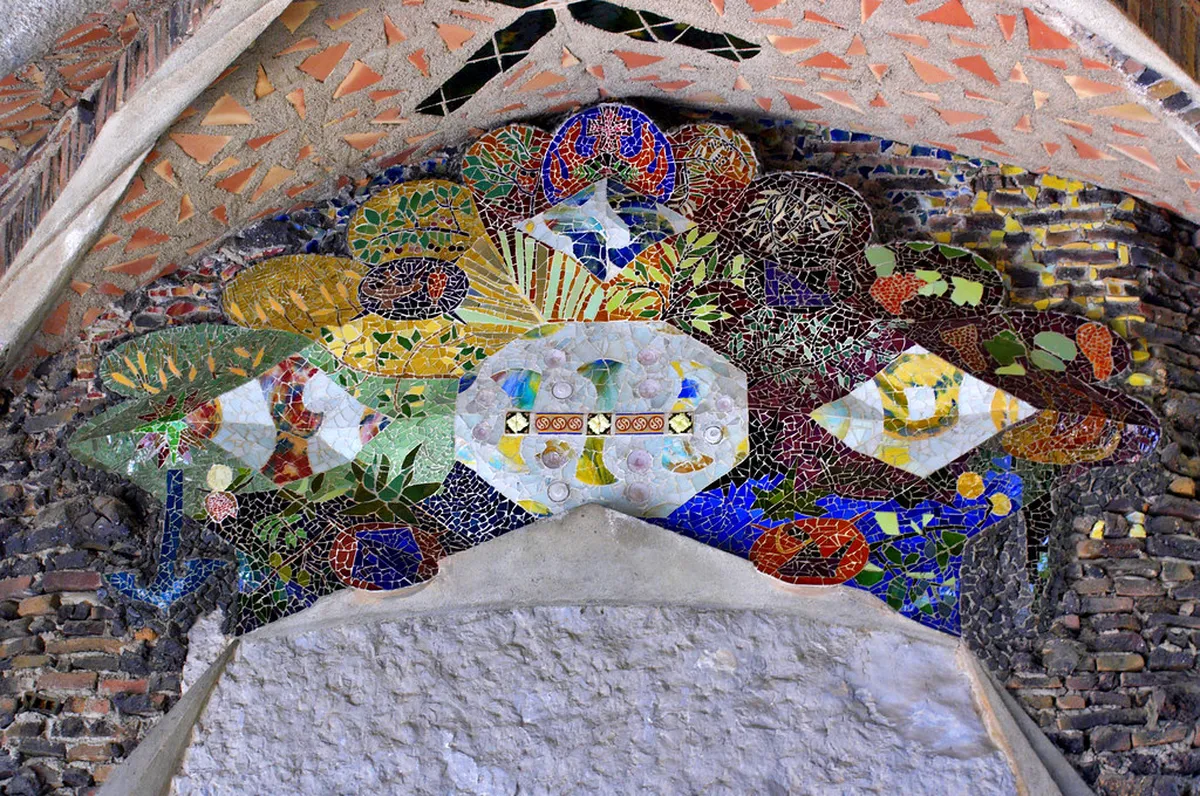
Table of Contents
Explore Where to Find Trencadís in Valencia in 2025
Valencia, Spain, offers a rich tapestry of architectural styles. Among these, trencadís mosaics truly stand out. This unique fragmented tile art captivates many visitors. You can discover beautiful trencadís elements across the city. This guide will show you exactly where to find trencadís in Valencia for 2025. Prepare to explore this amazing local artistic tradition and find its hidden beauty. Learn more about trencadís mosaics explained.
Mercado Central: A Trencadís Masterpiece
The Mercado Central stands as a true marvel of Valencia's architecture. Its central dome showcases spectacular trencadís artistry. This fragmented tile mosaic features vibrant blues, greens, and yellows. The intricate patterns draw your gaze upwards. It is a stunning visual centerpiece of the market, easily visible from below.
Beyond the impressive dome, the market's exterior also holds mosaic treasures. Delicate trencadís panels adorn various sections of the facade. These often depict traditional Valencian fruits and vegetables. They celebrate the market's purpose and rich local heritage. The building perfectly blends functionality with artistic beauty, a hallmark of its design.
The Mercado Central is a significant example of Valencian Modernisme style. It was completed in 1928, reflecting early 20th-century design principles. This grand market remains one of Europe's oldest working markets. Its impressive structure houses hundreds of bustling stalls. Visitors enjoy both shopping for fresh produce and admiring its detailed design.
Entry to the market is completely free of charge. You can visit from Monday to Saturday, 7:30 AM to 3:00 PM. Weekday mornings offer a lively atmosphere, usually with fewer crowds. The market is located centrally at Plaça de la Ciutat de Bruges. Consider exploring the Mercado Central's unique structure during your visit. This site is a truly unmissable experience for all Valencia visitors in 2025.
Estació del Nord: A Modernist Tiled Gem
Valencia's Estació del Nord is much more than a functional train station. It is a breathtaking architectural landmark in its own right. The station's main facade is adorned with incredible trencadís mosaics. These detailed artworks celebrate local agriculture, particularly oranges. You will see oranges, rice, and blooming flowers depicted vividly around the main entrance.
Step inside to discover even more mosaic brilliance. The spacious main hall features elegant trencadís accents. These are carefully placed around the ticket booths and on interior walls. The artistry strongly reflects a strong Art Nouveau influence. It creates an opulent and welcoming entrance for travelers arriving in the city.
The station was inaugurated in 1917, designed by the acclaimed architect Demetrio Ribes. Its modernist style incorporates many regional elements and symbols. The extensive trencadís adds to its unique character and charm. It stands as a testament to Valencia's rich architectural past. This fully functional station connects Valencia to many parts of Spain, serving thousands daily.
Access to the station's main hall for viewing is free of charge. It typically operates from 5:00 AM to midnight daily. Take your time to appreciate the intricate tilework and historical ambiance. The station is conveniently located next to the bullring on Carrer d'Alacant. Delve deeper into the Estació del Nord's historical design for further insights. It is a perfect spot for admiring classic trencadís artistry up close.
City of Arts and Sciences: Santiago Calatrava's Mosaics
Shift your focus to contemporary trencadís at the City of Arts and Sciences. This iconic futuristic complex features striking white mosaic surfaces. World-renowned architect Santiago Calatrava employed trencadís extensively here. He used it to create a seamless, gleaming aesthetic that defines the site. The broken ceramic fragments cover huge, curving structures.
Buildings like the Hemisfèric, which resembles an eye, and the grand Palau de les Arts stand out. Their vast surfaces shimmer brilliantly under the intense Valencian sun. The pristine white trencadís beautifully contrasts with the surrounding blue reflecting pools. This modern application gives the ancient technique a fresh, avant-garde look. It makes the entire complex incredibly photogenic.
Calatrava chose trencadís not only for its aesthetic appeal but also its practical benefits. The fragmented tiles help protect the monumental buildings from the elements. They also add a unique textural quality that enhances the design. This modern interpretation showcases the technique's incredible versatility. It bridges traditional craftsmanship with cutting-edge architectural design. Learn more about Santiago Calatrava's other works in Valencia and beyond.
While specific attractions within the complex require tickets, exploring the exterior is entirely free. You can walk around the stunning grounds at almost any time of day. This offers ample opportunities to admire the vast trencadís expanses. The City of Arts and Sciences is a must-visit for any architecture enthusiast in 2025. Discover more about the City of Arts architecture before your captivating visit. It's a truly unique and inspiring experience.
Eixample & Ruzafa: Residential Trencadís Treasures
🎯 Insider Tip: Discover the best Valencia experiences with Viator Tours!
Valencia's architectural charm extends far beyond its most famous landmarks. Many residential areas hide stunning trencadís details just waiting to be discovered. The elegant Eixample neighborhood is a prime example of this urban artistry. Streets like Gran Vía Marqués del Turia boast impressive and ornate buildings. Many facades feature intricate mosaic work on their lower and upper levels.
As you stroll through Eixample, remember to look closely at the upper floors. You will often spot colorful trencadís adorning window frames or balconies. These decorative touches add significant character to the early 20th-century architecture. They showcase the widespread use of this artistic technique in everyday life. It truly enriches the city's urban landscape with unexpected beauty.
The vibrant Ruzafa district, known for its bohemian atmosphere, also offers hidden mosaic gems. This area features numerous modernist buildings from the same period. Explore its lively streets for unexpected artistic discoveries. You might find trencadís on unique doorways, building cornices, or even small storefronts. These details are often overlooked but immensely beautiful. Discover more about Ruzafa's modernist buildings to plan your exploration. The neighborhood offers a fantastic, immersive experience for art lovers.
Exploring these charming neighborhoods is completely free of charge. It provides a more intimate and authentic view of Valencia's artistry. Consider embarking on a self-guided architecture tour to maximize your findings. Allow several hours to truly wander, get lost, and discover these hidden treasures. These areas are easily accessible by walking or via Valencia's efficient public transport system. They offer a rewarding experience for keen architectural observers.
The Origins and Enduring Beauty of Trencadís Mosaics
To fully appreciate Valencia's widespread trencadís art, understanding its origins helps. Trencadís is a specific type of mosaic technique. It involves using broken ceramic tiles, glass, or marble fragments. This innovative method originated in Catalonia, Spain. Antoni Gaudí notably popularized it in his iconic architectural masterpieces across Barcelona.
The enduring beauty of trencadís lies in its deliberate irregularity. Each small, fractured fragment contributes to a larger, cohesive design. This technique uniquely allows artists to create complex curves and organic forms. It gives surfaces a dynamic, textured appearance that captures light beautifully. The myriad reflections from broken pieces add further visual interest. Learn more about what the trencadís mosaic technique is in comprehensive detail.
Valencia enthusiastically embraced trencadís during its own Modernisme era. Local architects adapted the style with their unique Valencian touches. They often incorporated vibrant, warm colors and regional symbols. This resulted in the distinctive and charming mosaics seen across the city today. You can trace its artistic evolution across various buildings. Understanding this rich history deepens your overall appreciation for the art. Explore a full explanation of trencadís mosaics explained for more context.
Beyond its significant aesthetic appeal, trencadís offers practical benefits. The fragmented, layered surfaces are remarkably durable and long-lasting. They also provide excellent thermal insulation properties, perfect for Valencia's warm climate. This clever combination of enduring art and practical function makes trencadís truly special. It showcases the ingenuity of its original creators. The rich history of Valencian tilework (azulejos) also adds to the city's mosaic legacy.
Frequently Asked Questions
What are the best areas for a trencadís walking tour in Valencia?
For a fantastic self-guided trencadís walking tour, focus on specific districts. The Eixample and Ruzafa neighborhoods are excellent choices for urban exploration. Many modernist buildings here showcase beautiful mosaic details on their facades. The areas surrounding the Mercado Central and Estació del Nord are also rich in examples. Consider booking an architectural tour in Valencia. Knowledgeable local experts can point out many fascinating, lesser-known trencadís artworks.
Can I see trencadís mosaics for free in Valencia during 2025?
Yes, absolutely, many impressive trencadís works are free to view. The entire exteriors of the magnificent Mercado Central and Estació del Nord are accessible without charge. Walking through the stunning City of Arts and Sciences complex also costs nothing. Explore free architecture in Valencia for more great options. Just be sure to look up and around carefully, as many details are high up.
How does trencadís differ from other Valencian tilework?
Trencadís distinctly uses broken, irregularly shaped ceramic or glass pieces. These fragments are then meticulously arranged to form designs and cover surfaces. Other traditional Valencian tilework, particularly azulejos, uses whole, often hand-painted tiles. Azulejos typically create a smoother, more uniform surface pattern. Trencadís provides a unique, textured, and dynamic appearance. Discover more about Valencian tilework (azulejos) to appreciate the distinct differences fully.
Is trencadís exclusively an old art form, or is it still used today?
Trencadís has strong historical roots in Catalan Modernisme and early 20th-century architecture. However, it is certainly still a vibrant art form used today. Santiago Calatrava's contemporary work at the City of Arts and Sciences perfectly exemplifies its modern application. Contemporary artists and architects continue to incorporate this technique. You can find both historic and brand-new examples across Valencia. Its timeless appeal ensures its continued artistic use.
What practical tips should I remember when looking for trencadís in Valencia?
Always look up and examine architectural details carefully. Many trencadís mosaics are high on facades or domes. Wear comfortable shoes, as much of the best viewing is done on foot. Carry a good camera to capture the intricate details. Consider visiting in the morning for better light and fewer crowds. A Valencia architecture map can help you navigate efficiently.
Valencia offers a spectacular journey into the captivating world of trencadís. From grand public buildings to charming residential facades, this unique art is everywhere. Take your time to discover each unique mosaic. This guide ensures you know where to find trencadís in Valencia during your 2025 visit. Enjoy your architectural and artistic exploration in this beautiful Spanish city.
Key Takeaways
⭐ Recommendation: Don't miss out on amazing Valencia tours - book now!
- Valencia features trencadís mosaics in both historic and modern architectural sites.
- Mercado Central and Estació del Nord are essential stops for viewing classic trencadís.
- The City of Arts and Sciences offers a stunning, modern interpretation of the mosaic technique.
- Residential areas like Eixample and Ruzafa hide beautiful, often overlooked mosaic gems.
- Many impressive trencadís examples are freely accessible to the public, visible from the street.