
Discovering Trencadís Mosaics in Valencia, Spain
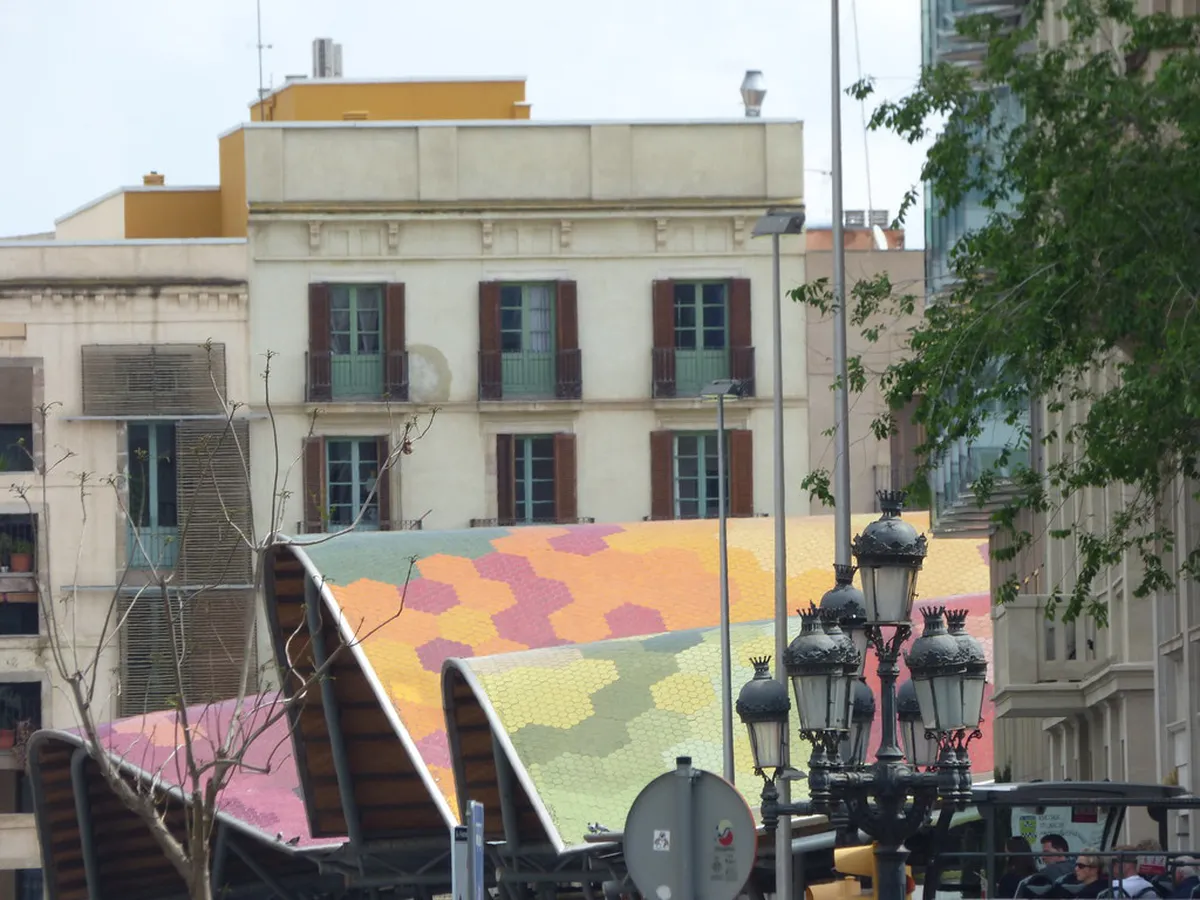
Table of Contents
Trencadís Mosaics Explained: Valencia's Unique Art Form
Valencia boasts incredible artistic treasures. One captivating art form is Trencadís. This unique mosaic technique uses broken ceramic pieces. It creates vibrant, textured surfaces. We will explain Trencadís mosaics in detail. This guide reveals its history and best viewing spots. Discover this Valencian architectural gem on your next Valencia architecture tour. Immerse yourself in the city's rich design heritage.
What Exactly are Trencadís Mosaics?
Trencadís is a specific type of mosaic art. It uses irregularly shaped broken tile pieces. These fragments are often ceramic, glass, or marble. Artists arrange them to form striking designs. This technique gives surfaces a unique texture. It catches the light in fascinating ways.
The word "Trencadís" comes from Catalan. It literally means "broken" or "shattered." This reflects the technique's fundamental nature. The pieces are deliberately broken for artistic effect. This method allows for curved and organic shapes. It suits the fluid lines of Modernisme.
This art form gained fame through Catalan Modernism. Antoni Gaudí was a master of Trencadís. He used it extensively in Barcelona. His work greatly popularized this distinct style. Today, you can see its influence widely. Learn more about the Trencadís mosaic technique itself.
Creating Trencadís requires great skill. Each piece must fit perfectly into the overall design. The fragmented nature adds dynamic visual interest. It transforms ordinary surfaces into works of art. From facades to benches, Trencadís brings life. Explore the beauty of Valencian tilework for comparison.
The Rich History of Trencadís in Spain
Trencadís roots trace back centuries. Ancient Romans and Moors used fragmented tiles. However, the Modernisme movement truly redefined it. This period began in the late 19th century. Architects sought new forms of expression. They broke away from traditional styles.
Catalan Modernisme embraced Trencadís fully. Gaudí found it economical and versatile. He used leftover construction materials. This made the technique sustainable. It also allowed for incredible artistic freedom. His colorful creations inspired many artists.
The style soon spread beyond Catalonia. Other regions adopted this vibrant art. Valencia, in particular, integrated it. Local architects found its aesthetic appealing. It complemented their own interpretation of Art Nouveau. This led to unique Valencian expressions.
Valencia’s Modernisme buildings showcase this influence. They often feature ceramic decorations. These can include Trencadís accents. The technique became a signature element. It added color and dynamism to urban spaces. Discover more about Valencian Modernisme style. You can also explore Art Nouveau in Valencia.
Top Locations to Admire Trencadís in Valencia (2025)
Valencia offers many stunning examples of Trencadís. You will find both classic and modern interpretations. Plan your visit in 2025 to see these beautiful sites. Each location tells its own unique story. Here are some must-see places for Trencadís art.
- Mercado Central: This bustling market is a Modernist masterpiece. Its dome features beautiful Trencadís details. Look up to see the intricate ceramic work. The market is located at Plaça de la Ciutat de Bruges. It is open Monday to Saturday, typically 7:30 AM to 3:00 PM. Explore the Mercado Central structure further.
- Estació del Nord: Valencia's main train station boasts stunning Modernist design. Its facade has gorgeous ceramic mosaics. The Trencadís here depicts oranges and other local motifs. This building is a true architectural jewel. It sits at Carrer d'Alacant, 25. The station is open daily. You can admire its beauty at any time. Learn about Estació del Nord design details.
- City of Arts and Sciences: Santiago Calatrava’s iconic complex features modern Trencadís. The reflective white mosaics contrast with water. This gives the futuristic buildings a unique sparkle. It creates an incredible visual effect. Find it at Av. del Professor López Piñero, 7. The complex grounds are always accessible. Dive into the City of Arts architecture. Discover more about Santiago Calatrava buildings in Valencia.
Beyond these major landmarks, search the Eixample neighborhood. Many residential buildings feature smaller Trencadís details. Look closely at balconies and doorways. The Ruzafa district also holds hidden gems. Consider a Valencian architecture walking tour to find them. This art form is truly everywhere.
Tips for Spotting and Photographing Trencadís
🌟 Local Expert Tip: Get the most out of your Valencia visit with guided tours!
Finding Trencadís can be a fun urban treasure hunt. Look for facades with shimmering, irregular tiles. The light reflecting off broken pieces is a key indicator. You might spot it on building details. These include window frames or decorative panels.
Pay attention to color and texture. Trencadís often uses vibrant hues. The uneven surface creates visual depth. It makes each piece feel unique. This art adds character to many Valencian structures. It transforms flat walls into dynamic canvases.
For photography, focus on details. Get close to capture the intricate patterns. Use natural light to highlight textures. Early morning or late afternoon sun works best. These times create beautiful shadows. They emphasize the fragmented nature of the art.
Consider different angles when photographing. Trencadís looks different from afar versus close up. A wider shot shows the building's context. A close-up reveals the artistry of each piece. For more inspiration, check out best architecture photography spots. Remember to respect private property while exploring.
Frequently Asked Questions
Is Trencadís exclusive to Valencia and Barcelona?
No, Trencadís is not exclusive to these cities. While popularized in Catalonia and prevalent in Valencia, its influence extends elsewhere. You can find examples of this mosaic art in other parts of Spain. Artists globally have also adopted the technique. However, Barcelona and Valencia remain prime locations to admire it. Learn more about where to find Trencadís in Valencia.
What types of materials are commonly used in Trencadís?
Trencadís primarily uses broken ceramic tiles. These often come from discarded plates or leftover building materials. Glass fragments are also common. Sometimes, artists incorporate pieces of marble or stone. The choice of materials allows for varied textures. It provides a wide range of colors for the mosaics. This resourcefulness is a key aspect of its charm. Discover the unique Trencadís mosaic technique.
How can I easily identify Trencadís on a building facade?
You can identify Trencadís by its distinct fragmented appearance. Look for surfaces covered in irregularly shaped, broken pieces. These pieces are often ceramic, glass, or even porcelain. The mosaic will have a textured, uneven finish. It contrasts with smooth, uniform tile work. The overall design appears organic and fluid. This makes it instantly recognizable.
Trencadís mosaics offer a vibrant artistic legacy. This broken tile art adds immense beauty to Valencia. From Modernist gems to modern landmarks, its presence is undeniable. Exploring these colorful designs is a highlight of any visit. It offers a unique insight into Valencian artistry. Plan your Valencia architecture itinerary to see them. Discover these amazing details for yourself in 2025.
Key Takeaways
⭐ Recommendation: Don't miss out on amazing Valencia tours - book now!
- Trencadís is a mosaic art using broken ceramic, glass, or marble pieces.
- Popularized by Catalan Modernism, it's prominent in Valencia's architecture.
- Must-see Trencadís sites include Mercado Central, Estació del Nord, and the City of Arts and Sciences.
- Look for irregular, textured, and colorful fragmented surfaces.
- Consider a walking tour to discover hidden Trencadís details.