
Eixample Valencia: Guide to Modernist Architecture in 2025
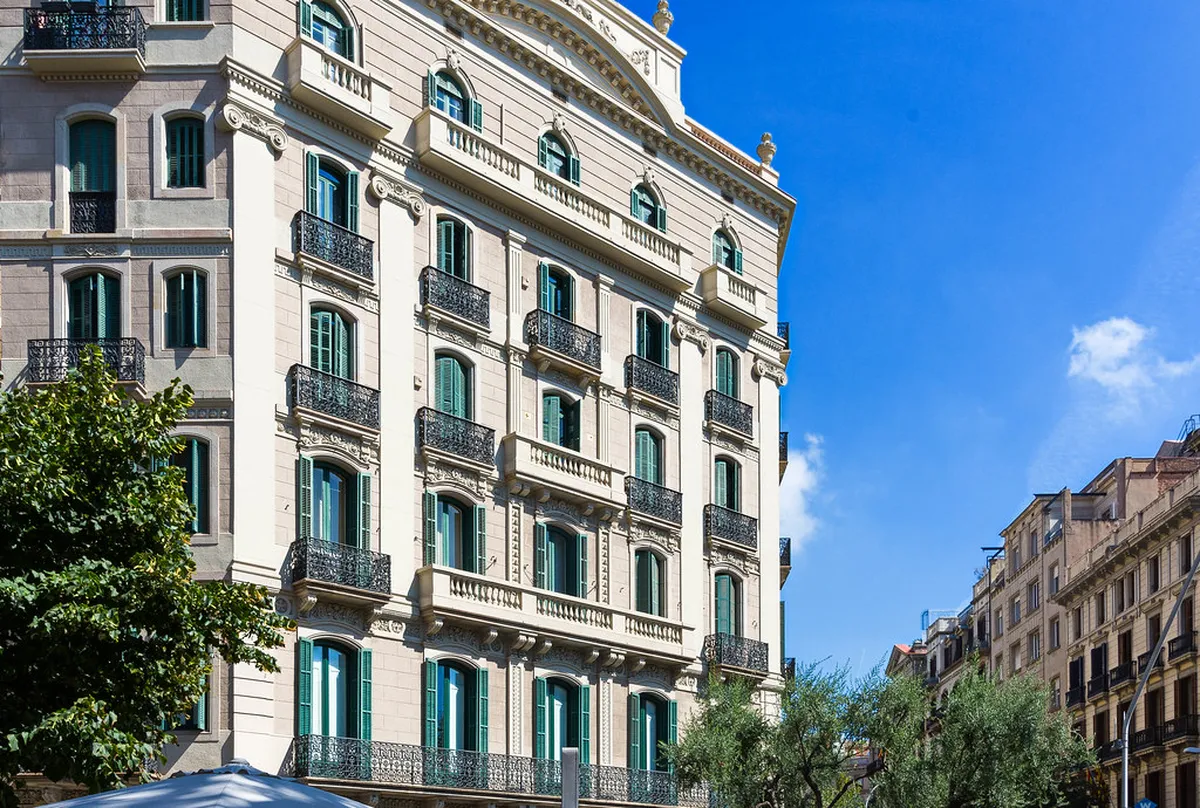
Table of Contents
Exploring Eixample Neighborhood Architecture in Valencia
Valencia's Eixample neighborhood architecture captivates many visitors. This area showcases beautiful modernist buildings. It offers a unique glimpse into the city's rich history. Planning a visit in 2025 promises incredible sights. Learn more about Valencia's architectural styles here.
The Eixample, meaning 'expansion' in Valencian, emerged in the late 19th century. It features wide avenues and elegant boulevards. This district is perfect for architecture enthusiasts. Explore the intricate details of its facades and unique designs. Don't miss this architectural treasure trove in Valencia. Discover its charm on a Valencia architecture walking tour.
The Urban Vision: Eixample's Planning and History
Valencia's Eixample district represents a period of growth. Urban planners designed this expansion in the late 19th and early 20th centuries. It aimed to modernize the city beyond its ancient walls. The grid-like structure provides orderly streets. This thoughtful design reflects a new era.
This area's development mirrored similar European expansions. Architects embraced new styles and building techniques. The district quickly became a hub for the wealthy. Their grand homes shaped the Eixample's distinctive look. It created a vibrant, affluent urban space.
Key streets like Gran Vía Marqués del Turia define the area. These boulevards feature impressive buildings. They connect various parts of the city seamlessly. Take your time to walk along these historic routes. You will discover many hidden architectural wonders. Find more details on the best streets for architecture.
The Eixample is divided into smaller, charming areas. Ruzafa is one such popular neighborhood. It boasts many of its own modernist buildings. This district shows the distinct character of Valencia's expansion. Explore the unique Ruzafa modernist buildings. They contribute significantly to the Eixample's appeal.
Art Nouveau and Modernisme: Defining Eixample's Style
The Eixample neighborhood architecture is largely defined by two styles. These are Art Nouveau and Valencian Modernisme. They emerged during the late 19th and early 20th centuries. Both styles emphasize decorative elements and organic forms. They truly captured the spirit of the age.
Art Nouveau in Valencia features flowing lines and natural motifs. You will see intricate floral patterns and curved ironwork. Buildings often incorporate vibrant tilework. This style created a sense of movement and elegance. It broke away from rigid historical designs.
Valencian Modernisme is the local interpretation of Art Nouveau. It often uses colorful ceramic tiles, known as azulejos. Distinctive iron balconies also characterize this style. Learn more about Valencian Modernisme and its unique features. These buildings represent a rich artistic period.
Many Eixample buildings showcase decorative facades. Look for allegorical figures and mythological creatures. These details adorn doorways and windows. They tell stories through their artistic expression. The style also reflects Valencia's historical ties to crafts. Discover the beauty of Valencian tilework on these structures.
Iconic Buildings: Must-See Eixample Masterpieces
Eixample boasts several architectural masterpieces you must visit. The Mercado de Colón stands as a prime example. This former market is now a cultural and gastronomic hub. Its stunning Modernista design features glass, iron, and ceramics. The building is open daily, usually from 7:30 AM to midnight. Entry is free to explore its magnificent interior.
Another notable building is the Estació del Nord, Valencia's main train station. Its facade is a breathtaking display of Art Nouveau. Look for orange blossoms and other agricultural symbols. These details celebrate Valencia's fertile lands. It also features a stunning ticket hall interior. Explore the Estació del Nord design closely. The station operates daily for travelers.
Numerous private residences also showcase incredible designs. Stroll along Gran Vía Marqués del Turia and Calle Colón. You will find many ornate facades and beautiful balconies. These buildings feature unique doorways and decorative ironwork. Many of these are still private homes today. The exterior is always accessible for viewing.
Consider seeking out the Casa Judía, or Jewish House. This colorful building features striking Mudejar-inspired elements. It is located on Calle Castellón. This unique structure truly stands out among its neighbors. Its vibrant colors make it a photographic gem. This guide to modernist buildings offers more specific locations. It is perfect for a self-guided tour in 2025.
Architectural Details and Self-Guided Exploration
💡 Pro Tip: Book your Valencia adventures in advance through Viator for the best deals!
To truly appreciate Eixample neighborhood architecture, look at the details. Pay attention to the intricate iron balconies. Each one often tells a unique story. Many feature elaborate floral or geometric patterns. These are a hallmark of the Modernisme period. Observe the variety of iron balconies in Valencia.
The doorways are another captivating feature. Many buildings have grand entrances with carved wood or stained glass. Some even include unique sculptural elements. These elaborate entrances reflect the status of their original owners. Keep an eye out for unique doorways in Valencia. Each offers a small piece of art.
Take a self-guided architecture tour through the district. Allow several hours to fully explore the streets. Consider starting near Gran Vía Marqués del Turia. Then branch out into the quieter side streets. You will find many less-known but equally stunning buildings. Wear comfortable shoes for walking.
The best time to explore is during the morning or late afternoon. The light is often softer for photography. Fewer crowds will enhance your viewing experience. Many cafes are available for a break. These offer a perfect spot to people-watch and admire the surroundings. Discover architectural gems at your own pace. There is no cost to simply wander and appreciate these buildings.
Frequently Asked Questions
What is the best way to explore Eixample's architecture effectively?
The best way is by walking. Create a route covering key streets like Gran Vía Marqués del Turia. Include stops at Mercado de Colón and Estació del Nord. A self-guided tour allows flexibility. You can spend more time on buildings that interest you. Consider a Valencia architecture map for easy navigation.
Are there guided tours available specifically for Eixample Valencia?
Yes, several companies offer guided architecture tours. These tours often focus on Modernisme and Art Nouveau. They provide insightful historical context. Booking in advance is recommended, especially during peak season. You can search for architectural tours in Valencia online. Prices typically range from €20 to €40 per person.
How does Valencia's Eixample differ from Barcelona's famous Eixample?
While both are 'expansions,' Valencia's Eixample is smaller. It offers a more intimate experience. Barcelona's Eixample is renowned for Gaudí's works. Valencia's district focuses more on pure Modernisme and Art Nouveau. It still presents incredible architectural beauty. Each city offers its unique flavor of these styles.
Valencia's Eixample neighborhood architecture offers a captivating journey. Its Modernista and Art Nouveau buildings are truly remarkable. Plan your 2025 visit to explore these historical treasures. Every street corner holds new architectural wonders. Take your time to soak in the beauty.
From grand boulevards to intricate details, Eixample invites exploration. It showcases Valencia's rich artistic heritage. For a deeper dive, consider a Valencia architecture itinerary. This district promises an unforgettable experience for all architecture lovers. Start planning your adventure today!
Key Takeaways
- Valencia's Eixample features stunning Modernisme and Art Nouveau architecture.
- Key landmarks include Mercado de Colón and Estació del Nord.
- Pay attention to intricate details like iron balconies and unique doorways.
- A self-guided walking tour is the best way to explore at your own pace.