
Top Tips for Architectural Photography in Valencia
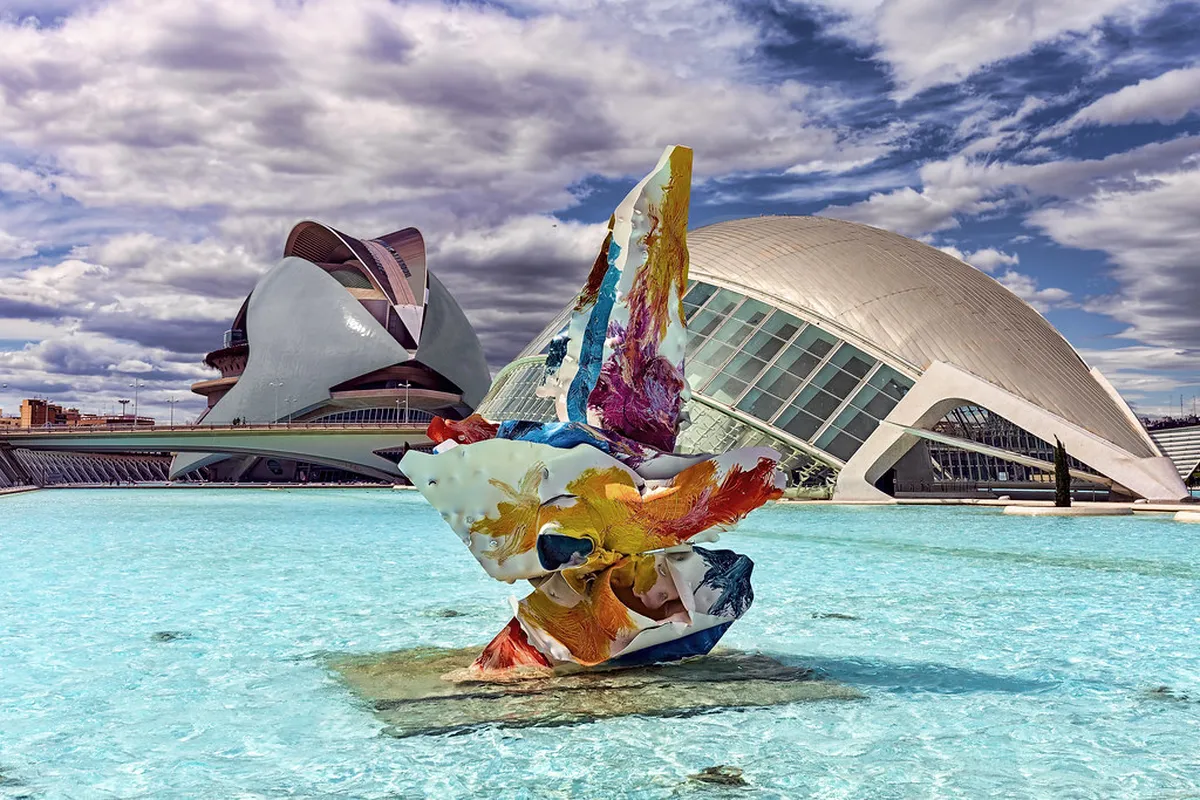
Table of Contents
Unlock Valencia's Beauty: Architectural Photography Tips
Valencia, Spain, offers a photographer's paradise. Its blend of historic and futuristic buildings is truly unique. This guide provides essential tips for architectural photography in Valencia. You will capture stunning images of this vibrant city. Discover the best photography spots in Valencia.
From ancient Gothic structures to modern marvels, Valencia has it all. Mastering architectural shots requires specific techniques. We will cover lighting, composition, and gear for 2025. Prepare to elevate your photography skills during your visit. Get ready to explore Valencia's diverse architecture.
Capturing the Futuristic City of Arts and Sciences
The City of Arts and Sciences is a true icon. Santiago Calatrava's design is incredibly photogenic. Aim for early mornings or late afternoons for soft light. This avoids harsh shadows and heavy crowds. The complex offers endless angles and reflections.
Wide-angle lenses are essential here. They help capture the grand scale of the structures. Look for reflective pools that mirror the buildings. These create stunning symmetrical compositions. Experiment with different perspectives and leading lines.
For night shots, a tripod is crucial. The illumination transforms the complex beautifully. Focus on long exposures to smooth out water. Discover where to photograph Calatrava's buildings at night. The architecture of the City of Arts is truly captivating.
Photographing Historic Valencia's Charm
Valencia's old town presents a different photographic challenge. Narrow streets and intricate facades abound. Look for details like intricate ironwork and colorful tiles. These elements add unique character to your photos.
The La Lonja de la Seda is a Gothic masterpiece. Its detailed stonework demands attention. Visit La Lonja de la Seda during quieter times. This allows for clear, unobstructed shots. The Mercado Central also offers vibrant scenes.
Capture the essence of Valencian Gothic architecture. Utilize a prime lens for detail shots. This helps isolate architectural features. Consider the play of light and shadow on ancient walls. The historic center offers endless discoveries.
Essential Gear and Photography Techniques
A sturdy tripod is invaluable for sharp architectural shots. It helps with long exposures and low-light conditions. A remote shutter release prevents camera shake. These tools ensure professional-quality images.
Pack a versatile lens kit for Valencia. A wide-angle lens (16-35mm) captures grand buildings. A telephoto lens (70-200mm) isolates distant details. A standard zoom (24-70mm) covers most situations effectively. Consider a polarizing filter for reducing reflections.
Always shoot in RAW format for maximum flexibility. This retains more image data for editing. Pay attention to your camera's histogram. It helps ensure proper exposure. Straighten verticals in post-processing for architectural perfection. Learn more about Valencian architecture during a walking tour.
Optimizing Timing and Composition for Best Shots
🎯 Insider Tip: Discover the best Valencia experiences with Viator Tours!
Timing is everything in architectural photography. The 'golden hour' (sunrise and sunset) offers soft, warm light. This light enhances textures and creates dramatic shadows. It brings out the best in both old and new structures.
The 'blue hour' just after sunset is also magical. City lights begin to glow against a deep blue sky. This creates stunning contrasts for buildings. Plan your visits to key sites during these times. Check local sunrise and sunset times for 2025.
Focus on strong compositions. Use leading lines to guide the viewer's eye. Look for symmetry and patterns in facades. Frame your shots carefully to exclude distractions. An architecture itinerary can help plan your photography route. Visit Mercado Central's unique structure for vibrant details.
Frequently Asked Questions
What are the best times to photograph Valencia's buildings?
The golden hour (sunrise and sunset) offers the best natural light. The blue hour (just after sunset) provides stunning cityscapes. These times minimize harsh shadows and crowds. Plan your visits for optimal conditions in 2025.
Which lenses are best for architectural photography in Valencia?
A wide-angle lens (16-35mm) captures vast structures like the City of Arts. A telephoto lens (70-200mm) is great for details. A standard zoom (24-70mm) provides versatility. Consider a tilt-shift lens for correcting perspective distortion.
How can I avoid crowds at popular photography spots?
Visit popular sites early in the morning or late in the evening. Weekdays generally have fewer people than weekends. Research peak tourist times for specific attractions. Consider exploring Art Nouveau buildings in quieter neighborhoods. Check out this list of top photography spots for more ideas.
Valencia offers incredible architectural photography opportunities. From modern marvels to ancient wonders, the city inspires. Use these tips to capture its unique beauty. Experiment with light, composition, and gear for stunning results.
Plan your trip for 2025 and bring your camera. Valencia's diverse architecture awaits your creative vision. For more in-depth exploration, check out our comprehensive Valencia architecture guide. Start planning your photographic adventure today!
Key Takeaways
- Utilize golden and blue hours for optimal lighting.
- Pack wide-angle and telephoto lenses for diverse shots.
- Always use a tripod for sharp images, especially at night.
- Focus on unique details and strong compositions.
- Visit popular spots early to avoid crowds.