
History of Azulejo Tiles in Valencia: A Ceramic Journey
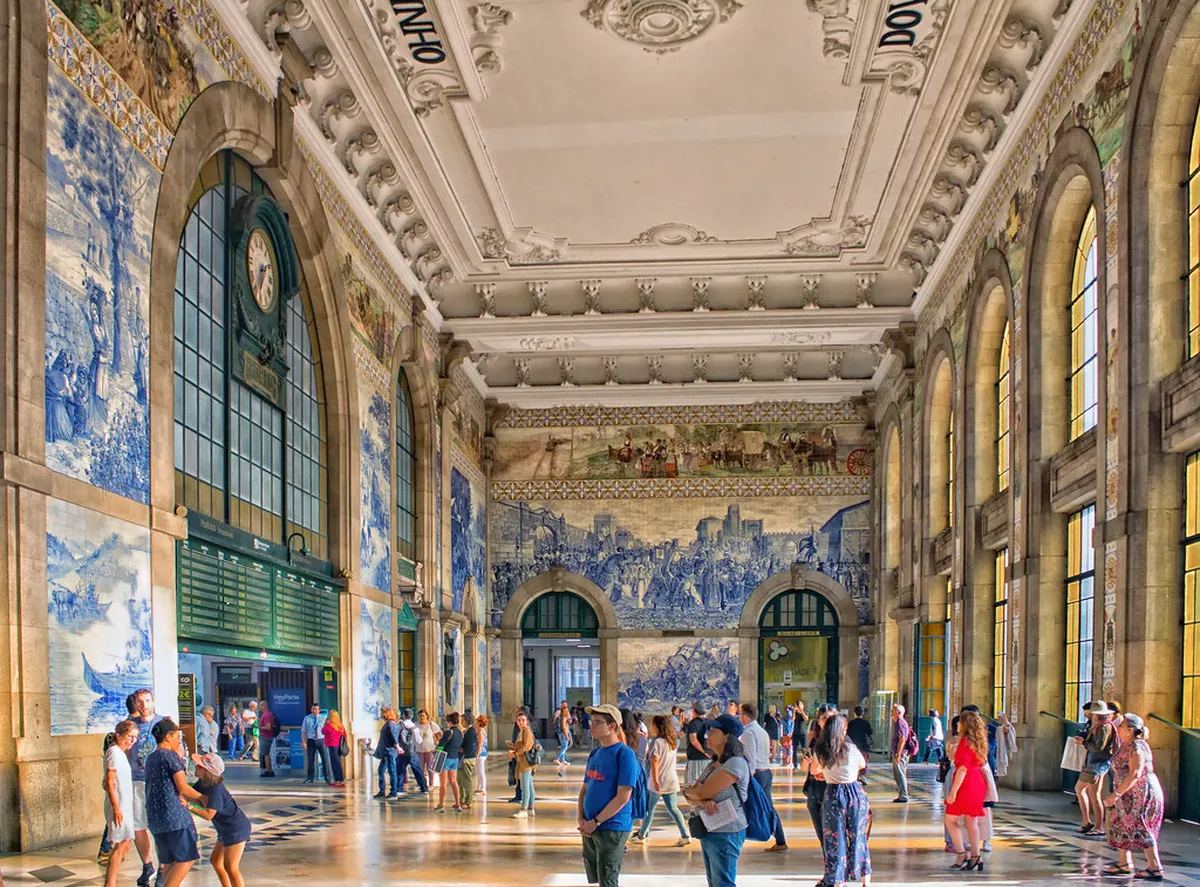
Table of Contents
Discover the Rich History of Azulejo Tiles in Valencia
Valencia boasts a rich architectural heritage. Among its most charming features are the vibrant azulejo tiles. These beautiful ceramic pieces tell a compelling story. They reflect centuries of diverse cultural influences. Discover the captivating history of azulejo tiles in Valencia and their enduring legacy. Join us on this artistic journey for 2025.
The Moorish Roots of Valencian Tilework
The story of azulejo tiles in Valencia begins with the Moors. They introduced intricate ceramic techniques. These techniques arrived in Spain around the 8th century. Arabic word "az-zulayj" means "polished stone".
Early Valencian azulejos featured geometric patterns. They often used a limited color palette. Blue, white, green, and ochre were common. This style adhered to Islamic artistic traditions. It avoided depicting living forms. Visit Moorish architecture sites to see early influences.
The Moorish influence remained strong for centuries. It shaped the foundational artistry of azulejo production. Workshops flourished, particularly in the Paterna region. These early tiles paved the way for future innovations. They set a high standard for ceramic craftsmanship.
Golden Age: Renaissance and Baroque Azulejos
The 15th and 16th centuries marked a golden age for Valencian azulejos. Renaissance influences brought new designs. Artists began incorporating figurative elements. Mythological scenes and portraits appeared on tiles.
Italian maiolica techniques greatly impacted production. Tiles became more colorful and varied. Valencia became a major tile-making center. Its products were exported across Europe. You can see examples in the Valencian Gothic style.
By the Baroque era, azulejos reached new decorative heights. Ornate designs and dramatic scenes covered walls. Churches and palaces featured extensive tile panels. The Palacio del Marqués de Dos Aguas showcases stunning Baroque tilework. It remains a must-see for visitors in 2025.
Modernisme and Beyond: Valencia's Tile Innovations
The late 19th and early 20th centuries brought Modernisme. This Art Nouveau movement revitalized azulejo design. Artists embraced organic forms and vibrant colors. Floral motifs and sinuous lines became popular.
Valencian Modernisme produced truly unique tile facades. Buildings like the Estació del Nord feature stunning examples. These designs brought tiles into everyday urban life. They showcased exquisite local craftsmanship. Explore the Art Nouveau architecture of Valencia.
Today, azulejos continue to evolve. Contemporary artists experiment with new forms. They blend traditional methods with modern aesthetics. This ensures the enduring legacy of Valencian tilework. It continues to brighten the city's streets.
Where to Admire Azulejos in Valencia Today
🌟 Local Expert Tip: Get the most out of your Valencia visit with guided tours!
Valencia offers countless opportunities to see azulejos. Many historical buildings display them proudly. The Central Market boasts incredible tiled facades. It is a vibrant hub of daily life.
The González Martí National Museum of Ceramics is essential. It houses an impressive collection of tiles. You can trace the entire history of azulejo tiles in Valencia there. Admission typically costs around 3 euros. Check hours before visiting for 2025.
Walk through the El Carmen district for charming street tiles. Many old houses feature unique doorways and balconies. These smaller details add to Valencia's unique character. A self-guided walking tour reveals hidden gems.
Frequently Asked Questions
What is the origin of azulejo tiles in Valencia?
Azulejo tiles in Valencia originated with Moorish influence. The Moors brought ceramic techniques in the 8th century. Early designs featured geometric patterns. These were often in blue and white. This tradition significantly shaped Valencian tilework.
How can I identify different azulejo styles in Valencia?
Look for specific design characteristics. Moorish tiles are geometric and repetitive. Renaissance tiles introduce figurative elements. Baroque ones are highly decorative and often narrative. Modernisme tiles feature organic, flowing forms. Visiting the Ceramic Museum helps immensely in identifying styles.
Are there any workshops to learn about azulejos in Valencia?
Yes, several local workshops offer classes. You can learn traditional painting techniques. These experiences provide unique insights. They let you create your own piece of Valencian art. Search online for current workshop availability and pricing for 2025.
The rich history of azulejo tiles in Valencia is truly captivating. From ancient Moorish roots to modern designs, they adorn the city. These ceramic works are more than decoration; they are historical records. Plan your visit to Valencia in 2025. Immerse yourself in this vibrant artistic tradition. Explore the city's tiled wonders today!
Key Takeaways
- Azulejo tiles have a long history in Valencia, beginning with Moorish influence.
- Different eras (Renaissance, Baroque, Modernisme) brought unique design styles to the tiles.
- Visit the National Museum of Ceramics and explore city streets to see diverse azulejo examples.