
Cisneros and Plateresque Styles: Toledo's Architectural Gems
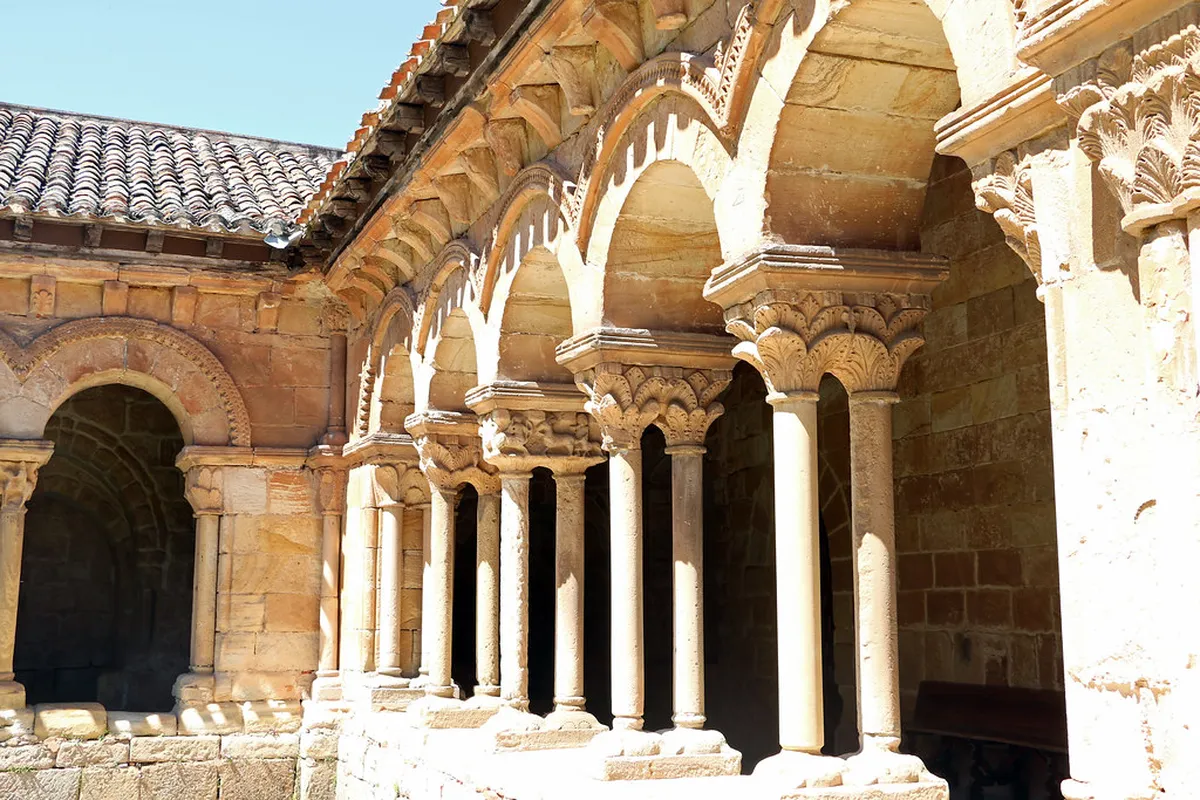
Table of Contents
Unveiling Cisneros Style Architecture in Historic Toledo
Toledo, Spain, boasts a rich architectural tapestry. Its streets tell stories of many cultures and eras. Two unique styles captivate visitors: Cisneros and Plateresque architecture. These styles define much of the city's charm. They blend Gothic grandeur with early Renaissance flourish. Explore Toledo's diverse architectural heritage to truly understand its beauty. This guide delves into these distinct Spanish styles, especially their presence in Toledo in 2025. You will discover the intricate details of Cisneros style architecture firsthand.
What Defines Cisneros Style Architecture?
Cisneros style architecture emerged in Spain during the late 15th and early 16th centuries. It reflects the reign of Cardinal Francisco Jiménez de Cisneros. This period marked a transition from Gothic to Renaissance influences. The style is often called "Isabeline Gothic" or "Gothic-Mudejar" for its blend. It showcases intricate detailing and unique cultural fusion.
This style is characterized by its decorative richness. You will see elaborate heraldic shields and natural motifs. Moorish influences, like geometric patterns, are also common. These elements add an exotic flair to the Gothic structure. This blend creates a distinctly Spanish aesthetic.
Think of it as Gothic architecture with a Spanish twist. Stone carving often mimics delicate silversmith work. This gives buildings a luxurious, jewel-like appearance. It represents a final flourish of the Gothic era. Cisneros style buildings are truly a visual feast. Discover specific locations for Cisneros style in Toledo.
Key features include elaborate doorways and window surrounds. Look for detailed friezes and pinnacles. The style emphasizes surface decoration rather than structural innovation. It often incorporates brick and stucco alongside stone. These materials contribute to its distinctive texture and color palette in places like Toledo. Even Toledo's ornamental ironwork sometimes reflects this intricate approach.
Understanding Plateresque Architecture's Charms
Plateresque architecture evolved slightly later than the Cisneros style. It flourished primarily in the first half of the 16th century. This style marks Spain's full embrace of the Renaissance. However, it still retains a strong Gothic decorative sensibility. Its name "Plateresque" comes from "platero," meaning silversmith.
This name perfectly describes its appearance. Plateresque facades look like finely crafted silverwork. They feature extremely ornate carvings. These carvings cover almost every available surface. Classical motifs mix with Gothic and Moorish elements.
Unlike Cisneros, Plateresque architecture shows a clearer classical influence. You will see columns, pilasters, and cornices. Mythological figures and grotesques often adorn the facades. Human figures and intricate scrollwork are also typical. This style presents a more mature Renaissance vocabulary.
Plateresque design often frames doorways and windows grandly. These frames become focal points of the facade. They create a dramatic and welcoming entrance. The detail invites closer inspection and admiration. Discover other Toledo Renaissance buildings to see this style. Both styles emphasize surface decoration greatly.
Distinguishing between the two can sometimes be tricky. Plateresque leans more into classical symmetry and humanistic themes. Cisneros retains stronger Gothic structural lines and heraldic symbols. Both showcase Spain's unique artistic journey. Learn more about Toledo's Gothic heritage to understand the foundation of these styles.
Where to Find Cisneros and Plateresque Gems in Toledo
Toledo is an open-air museum for these architectural wonders. The city's rich history makes it ideal for exploration. Many buildings showcase a blend of styles. This reflects centuries of cultural influences. Finding these gems is a rewarding experience.
One prime example of Cisneros style is the Monastery of San Juan de los Reyes. Queen Isabella I commissioned this stunning complex. Its exterior boasts incredible Mudejar-Gothic decoration. Look for the chains of Christian prisoners on its façade. These chains were freed during the Reconquista and serve as a powerful symbol. Explore San Juan de los Reyes for its full historical context. Admission costs around 3€ in 2025.
Another must-see is the Puerta de Bisagra Nueva. While primarily Mudejar, it has significant Cisneros touches. The gate's intricate details tell a story. It served as a main entrance to the city. Its two massive towers are particularly striking.
For Plateresque architecture, parts of the Toledo Cathedral are excellent. The Sacristy and Chapter House interiors show this style. Their rich carvings and classical motifs stand out. You'll see a clear shift from the cathedral's dominant Gothic style. The Ayuntamiento (City Hall) also features Plateresque elements on its facade. Guided tours often highlight these specific architectural features. Check for current opening hours and ticket prices online, typically 10-15€.
Even small private residences can surprise you. Keep an eye out for ornate doorways. Many historical buildings in the old town have these features. A self-guided walking tour can reveal many hidden treasures. You can spend hours simply wandering the charming streets.
Planning Your Architectural Discovery in Toledo
🌟 Local Expert Tip: Get the most out of your Toledo visit with guided tours!
Visiting Toledo to see these styles is straightforward. The city center is very walkable. Wear comfortable shoes for exploring its cobbled streets. Consider visiting in spring or fall for pleasant weather. Summer can be hot and crowded, especially in 2025.
Many specialized tours focus on architecture. Look for guides who understand these specific styles. They can point out subtle details you might miss. A private tour might cost around 150-250€ for a half-day. Group tours are more affordable, often 25-50€ per person. Book your tours well in advance during peak season.
Consider starting your day early. Popular sites like San Juan de los Reyes get busy. The Toledo Cathedral opens usually around 10:00 AM. Check official websites for up-to-date timings. Many attractions close for a siesta in the afternoon. Plan your visits around these closures.
Don't forget to look up at building facades. The most stunning details are often above eye level. Take your time to appreciate the craftsmanship. Photography is usually allowed without flash. Always be respectful of historical sites. Find the best Toledo architecture tours to enhance your experience. Consider an audio guide for individual exploration.
The city offers various viewpoints to admire the urban landscape. Mirador del Valle offers panoramic views of Toledo's silhouette. From there, you can see the intricate rooftops and spires. This helps place individual buildings in context. It truly highlights Toledo's unique architectural beauty. Download a self-guided route map for a flexible exploration.
The Mudejar Connection: Toledo's Architectural Tapestry
Toledo's architectural identity is deeply complex. The city was a melting pot of cultures for centuries. Christian, Muslim, and Jewish influences shaped its buildings. This fusion created unique hybrid styles. Mudejar architecture is one such significant influence.
Cisneros style, in particular, borrows heavily from Mudejar. Mudejar refers to Christian architecture built in a Moorish style. It features horseshoe arches, intricate brickwork, and rich tile designs. These elements appear frequently in Cisneros buildings. They add a distinct Spanish flavor to the Gothic form. Explore Mudejar architecture in Toledo to see these connections.
The transition from Gothic to Renaissance was not sudden. In Toledo, it involved a gradual incorporation of new ideas. Mudejar decorative techniques merged with European trends. This made for a truly original architectural evolution. It showcases Toledo's historical tolerance and artistic exchange.
Plateresque also absorbed some Mudejar echoes. While more classical, its dense ornamentation feels connected. The "horror vacui" (fear of empty spaces) in Plateresque is similar. Both styles delight in covering surfaces with detail. This makes Toledo a perfect place to compare and contrast. Understanding these layers enriches any architectural visit in 2025.
To fully appreciate these styles, look for the details. Notice the interplay of geometric and organic forms. Observe how different materials are used together. This rich tapestry is what makes Toledo so special. It's a living history book carved in stone. Discover why Toledo is a UNESCO World Heritage Site for its cultural significance.
Frequently Asked Questions
How can I easily identify Cisneros style architecture in Toledo?
Look for buildings with a strong Gothic structure and incredibly rich surface decoration. You will often see elaborate heraldry, often related to the Catholic Monarchs. Intricate carvings mimic silversmith work, particularly around doorways. Mudejar influences like geometric patterns might also be present. Visit key sites to see prime examples.
What are the main differences between Cisneros and Plateresque architectural styles?
Cisneros style is Gothic at its core but with lavish Spanish and Mudejar details. Plateresque embraces early Renaissance classicism more fully. It features classical columns and mythological figures. However, both styles prioritize highly ornamental facades. Plateresque generally appears more symmetrical and classically balanced. Cisneros often shows a Gothic verticality. Compare them with other Toledo Renaissance buildings.
Are there guided tours focused on Cisneros and Plateresque architecture in Toledo?
Yes, many specialized tours in Toledo focus on its rich architectural history. Look for tours that specifically mention 'Gothic,' 'Renaissance,' or 'Mudejar' influences. These will often cover Cisneros and Plateresque examples. Private guides can offer a more in-depth experience for 2025. Book the best Toledo architecture tours for expert insights. Always check reviews before booking.
What is the best time to visit Toledo for architectural sightseeing?
Spring (April-May) and Fall (September-October) offer ideal conditions. The weather is mild, and crowds are generally smaller. Summer months are hot and very busy with tourists. Winter can be quiet but chilly. Visiting outside of peak tourist hours (mid-day) is always recommended. This allows for better photo opportunities too.
Toledo stands as a testament to Spain's diverse architectural past. The Cisneros and Plateresque styles represent pivotal moments. They showcase a fascinating blend of cultures and artistic ideas. From the intricate carvings of San Juan de los Reyes to the Renaissance flourishes, Toledo inspires. Make sure to look closely at every detail. Plan your comprehensive Toledo architecture guide visit today. Immerse yourself in this historical city's unique charm in 2025.
Key Takeaways
- Cisneros style blends Gothic structures with Mudejar and early Renaissance details, seen in intricate stonework.
- Plateresque architecture fully embraces Renaissance classicism, featuring ornate, silversmith-like facades with classical motifs.
- Toledo is a prime location to observe both styles, with the Monastery of San Juan de los Reyes being a Cisneros masterpiece.
- Look for decorative richness around doorways and windows when identifying these unique architectural forms.
- Consider guided tours or a self-guided route to uncover hidden architectural gems throughout Toledo.