
Discovering Cisneros Style Architecture in Toledo
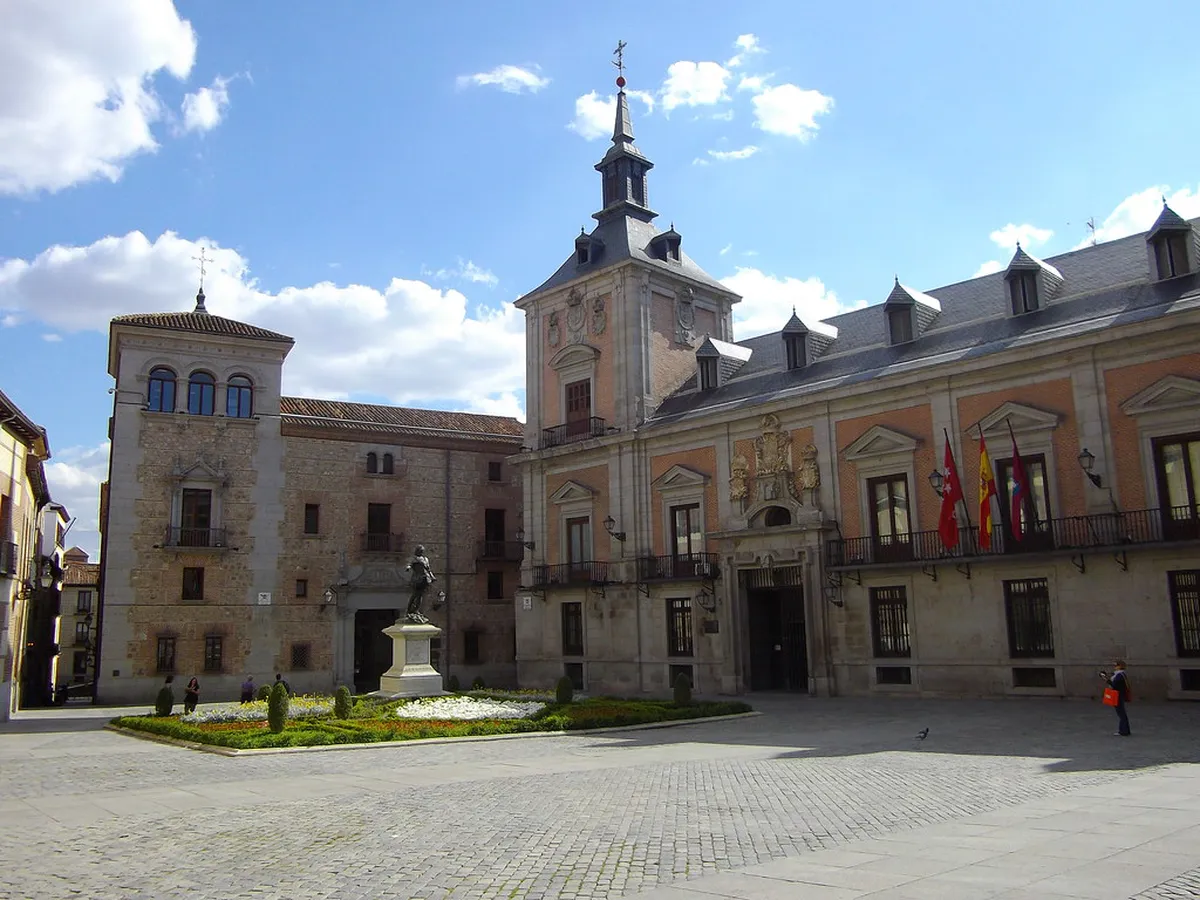
Table of Contents
Explore Unique Cisneros Style Architecture in Toledo, Spain
Toledo, Spain, stands as a living museum. Its streets tell tales of diverse cultures and eras. Among these architectural stories is the unique Cisneros style. This guide will help you explore its fascinating details.
Cisneros style architecture blends Gothic and Mudejar influences. It represents a significant period in Spanish design. You will discover why Toledo is perfect for this exploration. Dive into Toledo's rich architectural history now. Understand this transitional and highly decorative art form.
What Defines Cisneros Style Architecture?
Cisneros style architecture is a specific phase. It belongs to the broader Isabelline Gothic period. This style emerged in Spain during the late 15th and early 16th centuries. It captures the spirit of exploration and change.
Its namesake is Cardinal Francisco Jiménez de Cisneros. He was a powerful figure and patron of the arts. His influence helped shape this distinctive aesthetic. The style often showcases intricate ornamentation.
Key characteristics include strong heraldic symbols. Look for coats of arms and royal emblems. Natural motifs like foliage and garlands are also common. These elements often adorn doorways, windows, and courtyards. This style represents a bridge between medieval and Renaissance art. Discover more about Cisneros and Plateresque styles here.
You will see a blend of Christian and Islamic design. This Mudejar influence is very clear in its geometric patterns. These unique details make Cisneros style truly special. It is a visual feast for any visitor to Toledo.
Cisneros Style vs. Plateresque: Key Differences
The Cisneros style often gets confused with Plateresque. Both styles are highly decorative. However, they possess distinct characteristics and timelines. Understanding these differences enhances your appreciation.
Cisneros style precedes the fully developed Plateresque. It retains stronger Gothic roots. You will see pointed arches and intricate rib vaulting. Its ornamentation is dense but often more restrained than later Plateresque.
Plateresque architecture, on the other hand, embraces Renaissance ideals. It shows classical elements like columns and pediments. It also features mythological figures and candelabra motifs. The term 'Plateresque' refers to silversmith work due to its fine detail.
Think of Cisneros as a transitional phase. It beautifully bridges the Gothic era with emerging Renaissance tastes. Plateresque then fully integrates Renaissance classicism. Both offer stunning examples of Spanish artistry. The rich history of Toledo shows this architectural evolution beautifully.
Must-See Cisneros Style Buildings in Toledo
Toledo offers splendid examples of Cisneros style architecture. Your visit in 2025 should include these historical gems. Prepare to be amazed by their detailed craftsmanship. Each building tells a story of this unique era.
The **University of Toledo's 'Patio of the Palace of Cisneros'** is a prime example. This courtyard showcases intricate Mudejar-inspired brickwork. You will also see carved stone details. Its design embodies the elegance of the Cisneros era. The university is located at Cuesta de la Ciudad, 1. Entry fees may apply, typically around 2-3 Euros.
Within the magnificent Toledo Cathedral, look for the **Chapel of San Ildefonso**. Cardinal Cisneros founded this chapel. It features elements consistent with his architectural patronage. Observe the delicate tracery and heraldic shields. The cathedral is open most days, with varied hours and a general admission fee.
The **Monastery of San Juan de los Reyes** also shows transitional elements. While primarily Isabelline Gothic, some decorative motifs reflect Cisneros's taste. The cloister is particularly stunning. Look for the chains of Christian captives on its exterior wall. Explore San Juan de los Reyes for a deeper look. These sites perfectly illustrate the Cisneros style in Toledo.
Planning Your Cisneros Architecture Tour
⭐ Recommendation: Don't miss out on amazing Toledo tours - book now!
Embarking on an architectural tour in Toledo requires planning. The city's narrow, winding streets are best explored on foot. Wear comfortable shoes for walking cobblestone paths. Consider visiting during spring or fall 2025 for pleasant weather.
Allow at least half a day to fully appreciate these sites. Many buildings are close to each other in the historic center. Group your visits logically to save time. Check official websites for current opening hours and ticket prices.
A good starting point is the Plaza de Zocodover. From there, you can easily reach many key locations. Consider a self-guided route or a local expert-led tour. Guided tours provide valuable historical context. They often highlight hidden details you might otherwise miss.
Allocate about 1.5 hours for the University of Toledo. The cathedral needs at least 2 hours. San Juan de los Reyes usually takes 1 hour. These timings help you plan your perfect day. Toledo offers various passes that can save you money.
Beyond Cisneros: Toledo's Rich Architectural Tapestry
While Cisneros style is captivating, Toledo offers much more. The city's layered history is visible in its diverse buildings. You will find stunning examples of many architectural periods. It truly is a UNESCO World Heritage site for a reason.
Explore magnificent examples of Mudejar architecture. Discover the elegant simplicity of its brickwork and tile art. The city also boasts grand Gothic structures. These stand as testaments to medieval power. The blend of styles creates an unforgettable urban landscape.
Don't miss the Roman and Visigothic influences. These earlier periods laid foundations for later designs. Wander through the Jewish Quarter for its unique charm. Each corner reveals a new historical layer. Toledo is a dream for any architecture enthusiast.
Frequently Asked Questions
What is Cisneros style architecture?
Cisneros style architecture is a late 15th to early 16th-century Spanish architectural phase. It blends Isabelline Gothic forms with Mudejar and early Renaissance ornamentation. Cardinal Cisneros was a key patron. It emphasizes intricate detailing and heraldic symbols. Learn more about Cisneros and Plateresque styles.
Where can I see Cisneros style in Toledo?
You can find notable Cisneros style examples in Toledo. Visit the Patio of the Palace of Cisneros at the University of Toledo. The Chapel of San Ildefonso inside Toledo Cathedral also displays its features. Portions of the Monastery of San Juan de los Reyes show its influence. Discover where to find Cisneros style during your visit.
Is Cisneros style the same as Isabelline Gothic?
No, Cisneros style is a specific variation within Isabelline Gothic. Isabelline Gothic is a broader Spanish Gothic style from the same period. Cisneros style is distinguished by the direct patronage of Cardinal Cisneros. It also features a stronger Mudejar ornamental blend. It is a more defined subset.
How long does a Cisneros architecture tour take?
A focused tour of Cisneros style architecture can take half a day. Visiting the University, Cathedral, and San Juan de los Reyes is recommended. Allow more time if you wish to explore other Toledo attractions. Factor in travel time between sites. Check specific opening hours for 2025.
Cisneros style architecture offers a unique glimpse into Spanish history. Its blend of Gothic, Mudejar, and early Renaissance elements is truly distinctive. Toledo proudly preserves these magnificent examples. Your visit reveals a period of great artistic transition.
Plan your journey to this amazing city. Explore the intricate details that define this special style. Toledo awaits your discovery. Immerse yourself in the rich architectural heritage of Toledo.
Key Takeaways
- Cisneros style blends Gothic, Mudejar, and early Renaissance elements.
- Cardinal Cisneros's patronage shaped this decorative architectural phase.
- Key sites in Toledo include the University of Toledo and the Cathedral's San Ildefonso Chapel.
- The style is a transitional bridge towards full Plateresque, retaining strong Gothic roots.
- Plan a half-day tour to appreciate the intricate details of Cisneros style in Toledo.