
Juan Guas & Isabelline Gothic Style in Segovia
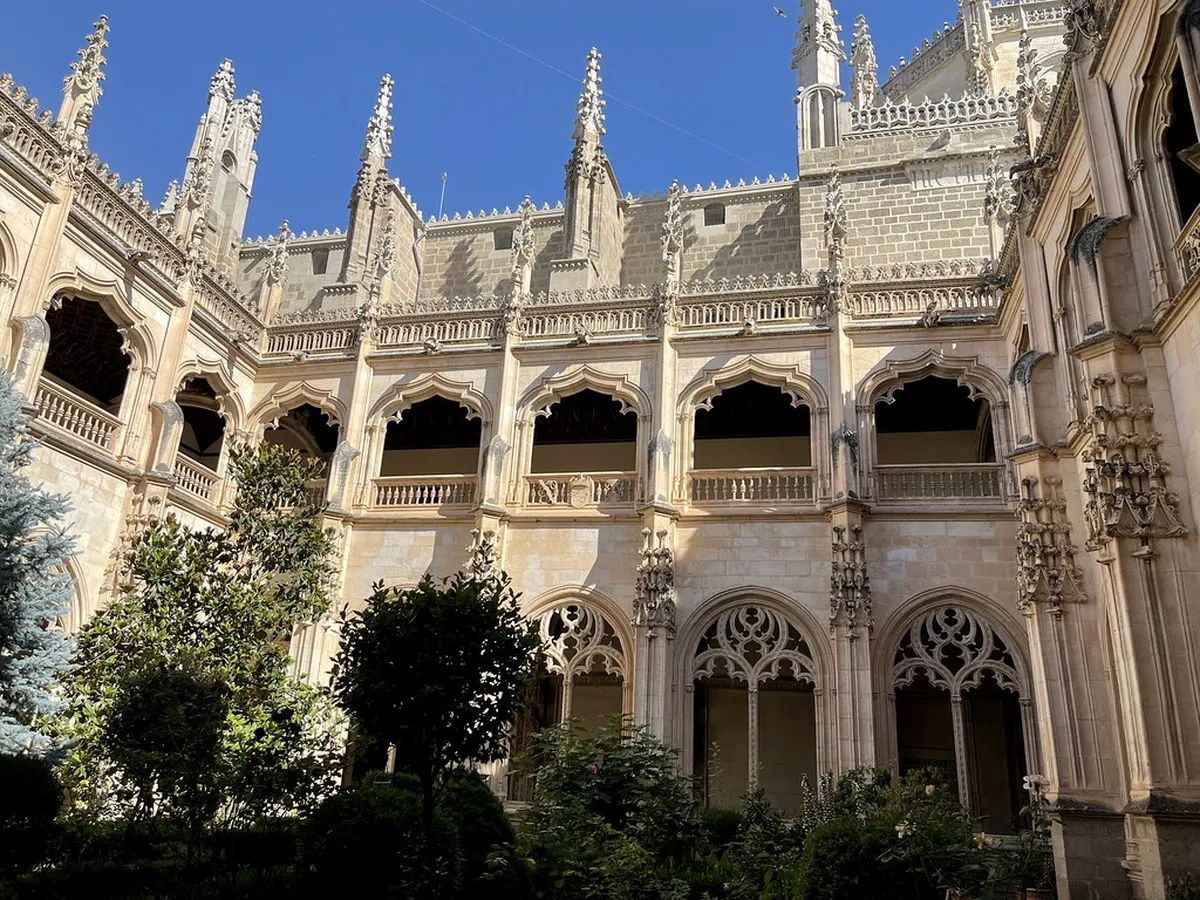
Table of Contents
Discover Juan Guas's Isabelline Gothic in Segovia
Segovia, Spain, boasts an incredibly rich architectural heritage. Among its many treasures, the Isabelline Gothic style truly stands out. This unique architectural movement flourished in late 15th-century Castile. It blended traditional Gothic elements with Mudejar and Renaissance influences.
A key figure in this distinctive style was Juan Guas. He served as the master architect for the Catholic Monarchs. His significant architectural works shaped Segovia's landscape. Discover the legacy of Juan Guas and the captivating Isabelline Gothic style. Plan your exploration of Segovia's rich architectural tapestry for 2025.
Understanding the Isabelline Gothic Style
The Isabelline Gothic style developed during Queen Isabella I's reign. It represents a fascinating fusion of cultures. This period saw Gothic structures adorned with Moorish-inspired decorations. It also incorporated early Renaissance motifs from Italy.
You can identify this style by its flamboyant ornamentation. Look for intricate heraldic shields and naturalistic carvings. The style often featured pointed arches and elaborate vaulting. It truly showcases a blend of European and Iberian artistry.
This unique architectural language reflected royal power and religious fervor. It marked a significant departure from earlier Spanish Gothic architecture. Understanding its nuances enriches any visit. It provides insight into Segovia's architectural history.
Juan Guas: Master Architect of Castile
Juan Guas was a pivotal figure in Spanish architecture. He was born in France but worked extensively in Castile. Guas became the royal architect to Queen Isabella I. His innovative designs pushed architectural boundaries.
Guas's work perfectly embodies the Isabelline Gothic style. He incorporated Mudejar brickwork and intricate stone carvings. His creations served both religious and political purposes. They often featured elaborate royal crests and symbols.
His influence spread across Spain, especially in royal commissions. Segovia hosts some of the most impressive buildings Juan Guas designed. Studying his works of Juan Guas offers deep historical insight. His legacy continues to define Spanish late Gothic architecture.
Guas's Isabelline Masterpieces in Segovia
Segovia proudly displays several iconic structures by Juan Guas. These buildings showcase his mastery of the Isabelline style. His contributions remain architectural highlights of the city. They draw visitors from around the globe.
One prominent example is the transformation of the Alcázar of Segovia's architecture. Guas rebuilt parts of the Alcázar after a devastating fire. His work on the Alcázar's chapel and some towers is notable. He brought his distinct flair to this royal fortress.
Another significant work is the Monasterio de Santa María del Parral. Juan Guas designed the main portal and parts of the church. This monastery is a stunning example of Isabelline Gothic. Its intricate stonework captivates all who visit the Monasterio del Parral. The blend of styles is truly breathtaking.
Key Architectural Features to Observe
🌟 Local Expert Tip: Get the most out of your Segovia visit with guided tours!
When exploring Guas's buildings, look for specific details. You will notice intricate heraldry featuring royal coats of arms. These elements celebrated the Catholic Monarchs' power. They are a hallmark of the Isabelline style.
Observe the use of gargoyles and elaborate pinnacles. These decorative elements extend skyward. They often incorporate grotesque or fantastic figures. You'll also see ribbed vaulting inside, typical of Gothic cathedrals.
Another key feature is the decorative fusion of styles. Mudejar influences appear in geometric patterns and brickwork. Renaissance details add classical motifs to the mix. This eclectic blend makes Isabelline Gothic truly unique.
Many buildings feature intricate stone carvings on facades. These carvings depict religious scenes or flora and fauna. They transform solid stone into delicate artistry. Juan Guas excelled in creating such detailed ornamentation.
Experiencing Guas's Legacy in 2025
Visiting Segovia in 2025 offers a chance to see these masterpieces. Both the Alcázar and Monasterio del Parral are accessible. Check their official websites for current hours and admission fees. Booking tickets online often saves time and guarantees entry.
The Alcázar of Segovia typically opens daily, usually from 9:30 AM to 7:00 PM. Admission costs around €9-€10 for adults. The Monasterio del Parral also has specific visiting hours. Its church usually allows free entry during services. Guided tours of the cloister may incur a small fee.
Consider taking a self-guided architecture walk to fully appreciate the details. Allocate at least 2-3 hours for each site. This allows for thorough exploration and photography. For deeper insights, join one of the best Segovia architecture tours. Local guides provide invaluable historical context.
Frequently Asked Questions
🎯 Insider Tip: Discover the best Segovia experiences with Viator Tours!
What defines the Isabelline Gothic style in architecture?
The Isabelline Gothic style combines late Gothic, Mudejar, and Renaissance elements. It is characterized by ornate decoration and royal heraldry. You will find intricate stone carvings and pointed arches. It emerged in Spain during the reign of Queen Isabella I.
Which specific buildings in Segovia did Juan Guas design?
Juan Guas significantly contributed to the Alcázar of Segovia. He reconstructed parts after a fire, including the chapel. He also designed the main portal and other sections of the Monasterio de Santa María del Parral. These buildings showcase his unique architectural vision.
How does Isabelline Gothic differ from other Gothic styles?
Isabelline Gothic distinguishes itself through its specific Iberian influences. It integrates Moorish (Mudejar) decorative motifs. Early Italian Renaissance forms are also present. Standard Gothic styles often lack these diverse cultural fusions. For example, compare it to the Segovia Cathedral's Gothic details, which are more purely Gothic.
The Isabelline Gothic style of Juan Guas remains a cornerstone of Spanish architecture. His buildings in Segovia are a testament to his genius. They represent a vibrant period of cultural and artistic fusion. Exploring these sites offers a unique journey into history.
Make sure to include these architectural marvels on your 2025 itinerary. Immerse yourself in the rich details and stories. Capture their beauty with architectural photography in Segovia. Segovia promises an unforgettable architectural adventure.
Key Takeaways
💡 Pro Tip: Book your Segovia adventures in advance through Viator for the best deals!
- Juan Guas was the master architect of the Isabelline Gothic style.
- His works in Segovia, like the Alcázar and Monasterio del Parral, are prime examples.
- Look for intricate heraldry, Mudejar details, and flamboyant ornamentation.