
Comparing Segovia and Toledo: A Spain Travel Guide
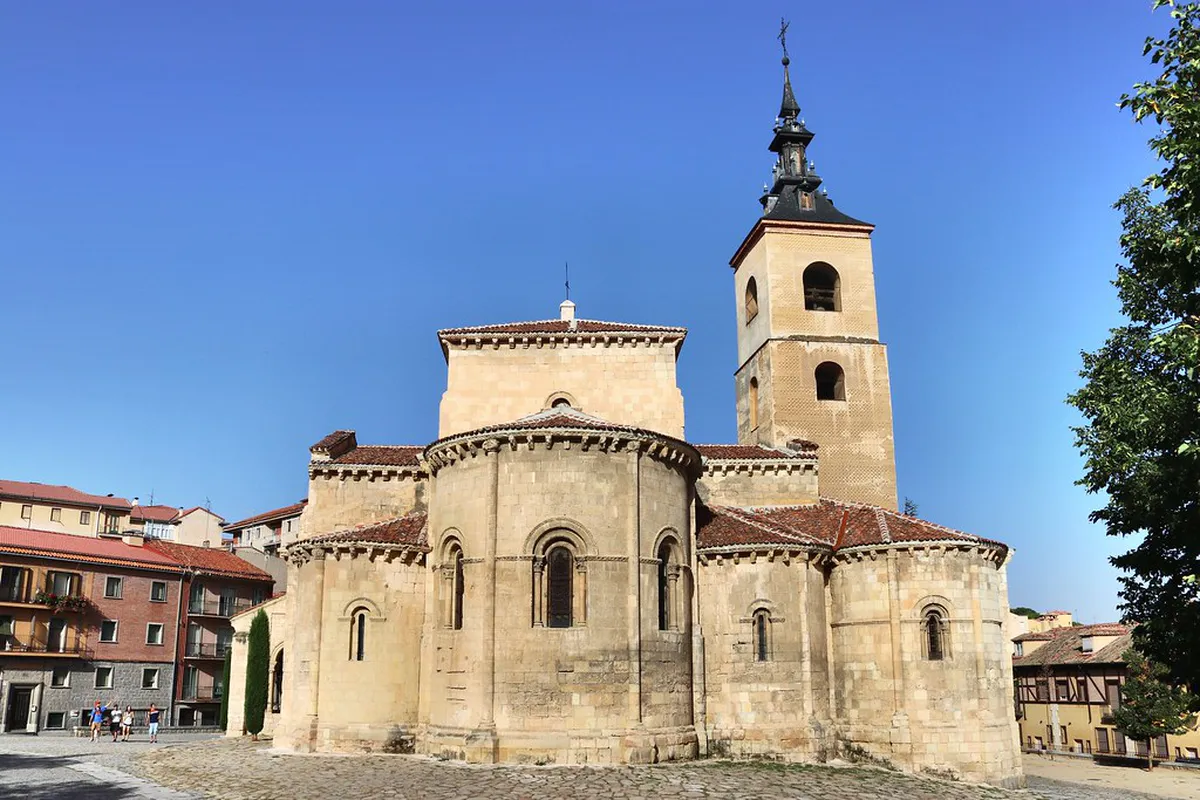
Table of Contents
Segovia vs. Toledo: Which Spanish Gem Should You Visit?
Planning a trip to Spain often includes exciting day trips from Madrid. Two incredible options stand out: Segovia and Toledo. Both cities offer rich history and stunning architecture. Deciding between them for your 2025 visit can be challenging. This guide helps with comparing Segovia and Toledo effectively.
You will explore their unique charms, historical significance, and practical travel details. Discover which city better suits your travel style. Both are UNESCO World Heritage sites, promising unforgettable experiences. Learn more about Spanish architecture and culture on your journey.
Historical Tapestry and UNESCO Status
Segovia boasts a deep Roman and medieval past. Its most famous landmark is the ancient Roman Aqueduct. This structure dates back to the 1st century AD. Segovia also served as a royal city for Castilian monarchs. Its history is largely Christian, reflecting a strong medieval influence.
Toledo holds the title "City of Three Cultures." Christians, Muslims, and Jews lived together for centuries. Their shared history created a unique cultural blend. This diversity is evident in Toledo's architecture and traditions. Both cities received UNESCO World Heritage status for their historical value.
Segovia's designation highlights its historic old town and magnificent Roman aqueduct. The city's charm lies in its well-preserved medieval core. Visitors feel transported back in time easily. Its rich past is visible at every turn.
Toledo's UNESCO status recognizes its entire historic city. It symbolizes the peaceful coexistence of different cultures. The city's narrow streets tell stories of past empires. This makes Toledo a profound historical experience. It offers a truly diverse historical perspective.
Architectural Marvels: A Visual Showdown
Segovia’s skyline is defined by iconic structures. The Roman Aqueduct dominates the city entrance. It stands as a testament to Roman engineering. The fairy-tale Alcázar de Segovia also captivates visitors. This castle inspired Disney castles globally.
The Segovia Cathedral showcases late Gothic architecture. Its intricate details and grand scale impress all. The city also features unique sgraffito decoration on many buildings. Learn more about Segovian sgraffito patterns. These designs add a distinct visual texture.
Toledo, in contrast, presents a blend of architectural styles. Its magnificent Gothic Cathedral is a highlight. The city also features stunning synagogues and mosques. These structures reflect its multicultural heritage. Mudejar architecture, a fusion of Christian and Islamic styles, is prominent.
Exploring Toledo means encountering various historical periods. You will see Roman, Visigothic, and Arab influences. The city’s Jewish Quarter offers unique insights. Both cities provide exceptional architectural photography opportunities. Consider a self-guided architecture walk in Segovia.
Culinary Delights and Local Flavors
Segovia is famous for its roast suckling pig, or cochinillo asado. This traditional dish is a must-try for meat lovers. Restaurants often perform a ceremonial cutting with a plate. Other local specialties include Judiones de la Granja. These are large white beans stewed with chorizo.
Dining in Segovia often means enjoying hearty Castilian cuisine. Many restaurants offer set lunch menus at good value. Expect rich flavors and generous portions. Make reservations, especially during peak season in 2025. This ensures you can savor the local tastes.
Toledo's culinary scene is equally inviting. The city is renowned for its delicious marzipan sweets. You can find these sweet treats in numerous pastry shops. Toledo also offers excellent game meats, like stewed partridge (perdiz estofada). These dishes reflect its hunting traditions.
The diverse cultural history influences Toledo’s food. You might find hints of Moorish and Jewish flavors. Exploring local taverns offers an authentic experience. Both cities promise memorable gastronomic adventures. Try both for a full Spanish flavor profile.
Accessibility and Logistics for 2025 Travel
🌟 Local Expert Tip: Get the most out of your Segovia visit with guided tours!
Both Segovia and Toledo are easy day trips from Madrid. High-speed trains connect Madrid to both cities. The journey to Segovia by AVANT train takes about 30 minutes. The train station is a short bus ride from Segovia’s old town. Buses are also available, taking longer but dropping you closer.
Toledo is also reachable by high-speed train from Madrid. The travel time is similarly around 30 minutes. Toledo’s train station is a beautiful Mudejar building. It is also connected to the city center by local bus. Buses from Madrid to Toledo take about an hour. These options provide flexibility.
Once in Segovia, the historic center is very walkable. Comfortable shoes are essential for exploring its cobbled streets. Most major attractions are within easy reach. Taxis are available if you prefer not to walk uphill. Plan your itinerary to maximize your time.
Toledo's city center is also best explored on foot. Its steep, winding streets can be challenging. A tourist train or local buses can help navigate. Consider an organized tour if you prefer guided transport. Many Segovia architecture tours include transportation. Always check 2025 schedules and book tickets in advance.
Best Time to Visit & Traveler Experience
Spring (April-May) and Fall (September-October) are ideal for both cities. The weather is pleasant and comfortable for walking. These seasons offer fewer crowds than peak summer months. Visiting during these times enhances your experience. Expect mild temperatures and sunny skies.
Summer (June-August) can be very hot in both Segovia and Toledo. Crowds also reach their peak during these months. Attractions might have longer queues. Hydration and early morning visits are crucial. Consider visiting in winter for a quieter experience. Both cities have a unique charm in the snow.
Segovia offers a more compact and perhaps more immediately striking visual experience. The Aqueduct and Alcázar are instantly recognizable. Its charm feels very much like a fairy tale. It might appeal more to those seeking iconic landmarks. It is ideal for history and architecture buffs.
Toledo provides a richer tapestry of cultural layers. Its diverse history is palpable in every alleyway. It caters to travelers interested in religious history and cultural fusion. Comparing Segovia and Toledo helps tailor your journey. Both offer distinct but equally rewarding experiences. Gothic buildings in Segovia provide a different vibe than those in Toledo.
Frequently Asked Questions
Is Segovia or Toledo better for a day trip from Madrid?
Both Segovia and Toledo are excellent choices for a day trip. Segovia might feel more manageable due to its compact size. You can see its main highlights, like the Aqueduct and Alcázar, easily. Toledo offers more diverse history and layers, potentially requiring more time. Both are about 30 minutes by high-speed train. Consider your interests; Segovia for iconic structures, Toledo for cultural depth. For more on historical sites, visit Roman Architecture in Segovia.
Which city has better architecture, Segovia or Toledo?
The 'better' city for architecture depends on your preference. Segovia is renowned for its Roman Aqueduct, the Alcázar, and its stunning Gothic Cathedral. It has a strong Castilian medieval feel. Toledo, however, showcases a broader range. It features Gothic, Mudejar, Jewish, and Moorish styles. This reflects its 'City of Three Cultures' heritage. If you seek diverse architectural influences, Toledo shines. For iconic, well-preserved medieval structures, Segovia is outstanding. Check out Alcázar de Segovia Architecture for details.
What are the main differences between Segovia and Toledo?
The main difference lies in their historical narrative and architectural styles. Segovia's history is predominantly Roman and Christian medieval. Its key sites are distinct and visually striking. Toledo's history is a blend of Christian, Muslim, and Jewish cultures. This creates a richer, more layered architectural landscape. Toledo feels larger and more sprawling. Segovia feels more contained and easily navigated. Their distinct culinary traditions also set them apart. Understand these architectural differences before you visit.
How much time do I need to explore Segovia or Toledo properly?
For a good overview, a full day trip (8-10 hours) is sufficient for both cities. This allows time to explore major sites and enjoy a meal. Segovia's compact nature means you can cover more ground easily. Toledo's extensive history and diverse districts might tempt you to stay longer. Consider an overnight stay in Toledo if you want to explore deeper. For 2025 visits, plan ahead for entrance tickets. You will maximize your sightseeing time this way.
Comparing Segovia and Toledo reveals two distinct, captivating Spanish cities. Segovia offers a fairy-tale experience with iconic Roman and medieval landmarks. Its concentrated beauty is perfect for a visually stunning day. Toledo provides a journey through a tapestry of cultures and architectural styles. Its historical depth is truly profound.
Ultimately, your choice depends on your interests for 2025 travel. Seek medieval grandeur and specific architectural feats in Segovia. Dive into multicultural history and diverse urban landscapes in Toledo. Whichever you choose, both promise an unforgettable visit. Plan your Spanish adventure today and explore the wonders of Castille! Find more travel inspiration at Architect Tourist.
Key Takeaways
🌟 Local Expert Tip: Get the most out of your Segovia visit with guided tours!
- Segovia is ideal for iconic Roman and medieval architecture, like the Aqueduct and Alcázar.
- Toledo offers a rich blend of Christian, Muslim, and Jewish history and diverse architectural styles.
- Both cities are easily accessible day trips from Madrid via high-speed train in about 30 minutes.