
Exploring the Romanesque Cloister of Santa María del Sar
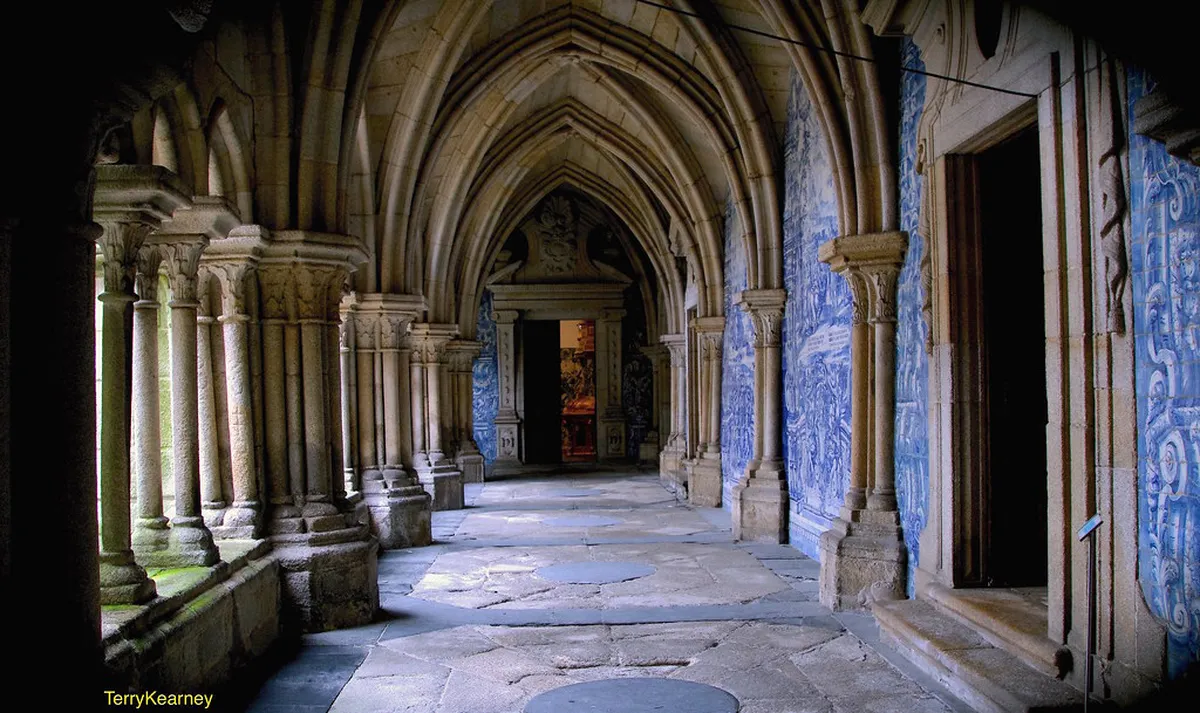
Table of Contents
Guide to the Romanesque Cloister of Santa María del Sar
Santiago de Compostela holds many architectural treasures. One truly captivating site is the Romanesque cloister of Santa María del Sar. This ancient monastery offers a peaceful escape. It showcases remarkable Romanesque architecture in Santiago.
You can step back in time when exploring the Romanesque cloister of Santa María del Sar. Its unique features draw visitors from around the globe. This guide helps you discover its hidden wonders for your 2025 visit. Explore more with our Santiago de Compostela architecture guide.
History and Unique Architecture of Colegiata del Sar
The Colegiata de Santa María del Sar dates back to the 12th century. Bishop Diego Gelmírez founded this Augustinian monastery. Its construction began around 1113. This structure is a prime example of Colegiata del Sar architecture. The cloister forms a central part of this historic complex.
Its most striking feature is its leaning pillars. These pillars have dramatically tilted over centuries. The ground beneath the cloister settled unevenly. This unique deformation adds to its charm and mystery. Engineers have since reinforced the structure for stability.
Many believe the nearby river Sar caused the subsidence. The damp conditions affected the monastery's foundations. Despite this, the cloister stands as a testament. It showcases medieval building resilience. Understanding these challenges enhances the visitor experience.
This Romanesque gem stands proudly today. It invites visitors to ponder its past. The blend of history and engineering makes it fascinating. It's a must-see for anyone interested in medieval structures.
Exploring the Romanesque Cloister of Santa María del Sar
Visiting the Romanesque cloister of Santa María del Sar is truly special. The cloister walkway offers incredible views. You will see ornate capitals and sturdy arches. Each stone tells a story of centuries past.
The cloister dimensions are quite intimate. It provides a sense of quiet contemplation. Take your time to walk through its arcades. You can admire the skilled craftsmanship everywhere. This tranquil atmosphere is perfect for reflection.
Entrance Fees and Hours for 2025:
- General Admission: Approximately €3.00.
- Reduced Admission (students, seniors): Around €2.00.
- Opening Hours: Typically 10:00 AM – 2:00 PM and 4:00 PM – 7:00 PM (Monday-Saturday).
- Sunday hours may vary or be shorter. Always check the official website for 2025 updates.
The cloister is accessible from the main church building. Its location is slightly outside the city center. This allows for a more serene visit. Combine it with a Santiago architecture walking tour.
Photography is generally permitted for personal use. Respectful quiet is encouraged here. This helps preserve its sacred and historic ambiance. Consider bringing a notebook for sketching its unique details.
Intricate Carvings and Monastic Life
The capitals of the cloister pillars are exceptionally detailed. They feature both biblical scenes and mythological creatures. Look closely at the intricate plant motifs. These carvings reveal much about medieval artistry.
Each capital is a small masterpiece. They depict saints, fantastical beasts, and geometric patterns. These images served as visual lessons. Monks would study them during their daily routines. They reflect the spiritual world of the time.
Imagine the daily life of the Augustinian monks. They would have walked these very arcades. Prayer, study, and contemplation filled their days. The cloister was central to their monastic existence. It was a place of both work and spiritual growth.
This cloister provided a sanctuary from the outside world. It offered quiet for meditation and intellectual pursuits. Monastic orders greatly influenced pilgrimage influence on architecture. The cloister walls bear witness to this rich history.
Many visitors feel a deep connection to the past here. The ancient stones resonate with centuries of human endeavor. Spend time observing the artistry. It is truly a profound experience. You can see why this site is so important.
The Leaning Pillars of the Colegiata del Sar
⭐ Recommendation: Don't miss out on amazing Santiago de Compostela tours - book now!
The Colegiata del Sar's cloister is famous for its leaning pillars. These pillars defy conventional architectural norms. Their dramatic tilt creates a captivating visual effect. It is a true marvel of medieval engineering resilience.
Scholars debate the exact cause of the lean. Most agree it stems from unstable ground conditions. The nearby Sar river likely contributed to the problem. The soft riverbed gradually shifted over time.
These pillars are not uniformly tilted. Some columns lean more dramatically than others. This adds to the organic, almost surreal feeling. It gives the cloister a unique character. Seeing them in person is breathtaking.
Despite their lean, the pillars have stood for centuries. This speaks volumes about their construction quality. Medieval builders used robust local granite. This material has withstood immense pressure. Discover more about the leaning pillars of the Colegiata del Sar. This resilience is a testament to their skills.
The inclination actually provides a distinctive aesthetic. It makes the cloister unforgettable. This architectural anomaly sets it apart. It’s a highlight for any architecture enthusiast in Santiago. Don't miss this unique sight during your visit.
Frequently Asked Questions
What makes the Romanesque cloister of Santa María del Sar unique?
Its most unique feature is the remarkable leaning pillars. These pillars have tilted significantly over centuries. This creates a visually stunning and unusual effect. They are a testament to the building's age and resilience.
The intricate Romanesque capitals also make it special. They depict various biblical and mythological scenes. This blend of unique architecture and artistry is rare. It truly stands out among Santiago's hidden architectural gems.
How much does it cost to visit Santa María del Sar cloister in 2025?
The general admission fee for the cloister is around €3.00 in 2025. Reduced rates are available for students and seniors. These typically cost about €2.00. Confirm current prices and hours before your visit. Always check their official website for the latest details.
Where is the Colegiata del Sar located in Santiago de Compostela?
The Colegiata del Sar is located just outside Santiago de Compostela's historic city center. It sits on the banks of the Sar River. It's an easy walk or short bus ride from the main cathedral square. This slightly removed location adds to its peaceful charm. Explore other sites like Santiago Cathedral's architecture as well.
The Romanesque cloister of Santa María del Sar offers a profound experience. Its leaning pillars and ancient carvings are truly captivating. This architectural marvel invites contemplation and discovery. Plan your visit to this serene sanctuary in 2025.
Do not miss this extraordinary example of Romanesque design. It provides a quiet contrast to the bustling city center. Embrace the history and unique beauty it holds. For more travel inspiration, visit Architect Tourist.
Key Takeaways
- The cloister's leaning pillars are a rare architectural sight.
- Intricate Romanesque carvings offer detailed historical insights.
- Verify 2025 opening hours and admission fees before your visit.