
Convento de San Francisco: Architectural Highlights in 2025
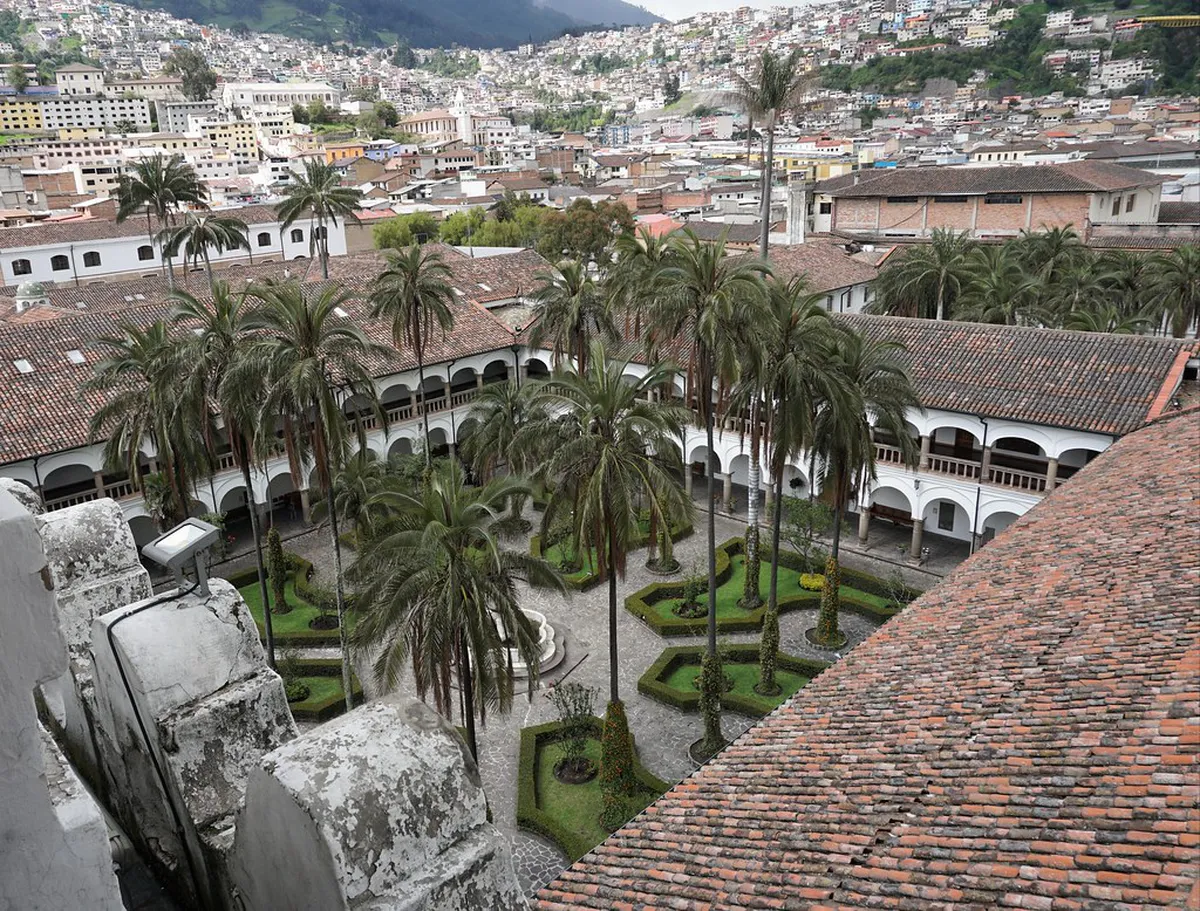
Table of Contents
Discover the Architectural Highlights of Convento de San Francisco
Santiago de Compostela holds many architectural treasures. One significant site is the Convento de San Francisco. This historic convent showcases centuries of design. Its structures reveal fascinating building styles. Discover the architectural highlights of Convento de San Francisco for your 2025 visit. Explore Santiago's rich past through its stunning buildings. Learn more about Santiago de Compostela architecture. The convent stands as a testament to various historical periods. Dive deeper into the Convento de San Francisco's history here.
The Grand Baroque Facade of the Church
The church's main facade is a true Baroque masterpiece. It faces the public square with striking elegance. Pedro de Monteagudo designed this impressive front. His work dates back to the 18th century. This facade represents a peak of Galician Baroque style. It immediately captures every visitor's attention.
Carved granite elements adorn the entire structure. Elaborate sculptures decorate its ornate entrance. You can observe statues of Saint Francis and other figures. These details tell stories from Christian tradition. The facade's grandeur reflects the era's artistic ambitions. Its intricate design is a key architectural highlight of Convento de San Francisco.
A large coat of arms sits prominently above the main door. It belongs to the House of Andrade. This family significantly contributed to the convent's reconstruction. Their patronage allowed for such splendid detailing. The facade stands as a symbol of their lasting legacy. It is a must-see for anyone interested in historical architecture.
Tracing Romanesque and Gothic Roots
Despite its Baroque exterior, older architectural layers exist. The Convento de San Francisco began as a Romanesque structure. Parts of its foundation hint at this ancient origin. These early elements date back to the 13th century. This makes it one of the oldest monastic sites in Santiago.
Later expansions introduced Gothic elements. Visitors can find subtle Gothic traces within the complex. These include some ogival arches in the cloister area. Such details offer glimpses into its medieval past. Understanding these layers reveals a complex history. The blend of styles creates a unique architectural narrative.
Significant reconstruction efforts shaped the current building. Fire and decay necessitated extensive rebuilding. Read about the reconstruction history of the San Francisco Church. The Baroque facade overlaid much of the earlier work. However, careful observation uncovers these hidden gems. The coexistence of eras is a defining characteristic here. It truly showcases evolving architectural trends.
The Serene Cloister and Interior Spaces
The Convento boasts a magnificent cloister. This peaceful courtyard provides a calm retreat. It is surrounded by elegant arcades. The design showcases Renaissance influences. Visitors can walk these tranquil corridors. They offer a unique perspective on the convent's life.
The cloister features various architectural details. Stone carvings adorn many of its capitals. These depict religious symbols and natural motifs. The craftsmanship is truly remarkable. This space invites quiet contemplation and reflection. It stands in contrast to the ornate church facade. Explore more Romanesque architecture in Santiago for context.
Inside the church, the main altarpiece is impressive. It is a stunning example of Baroque wood carving. Gold leaf and intricate details cover its surfaces. The altarpiece dominates the sanctuary. It complements the grandeur of the exterior facade. Practical information for visitors: the church is generally open from 10:00 AM to 7:00 PM. Admission to the church is free, but the museum and cloister might have a small fee. Check their official website for 2025 prices and exact timings. Typically, it is around 2-3 Euros for the museum section.
The convent also houses a museum. It displays religious art and historical artifacts. You can see ancient texts and liturgical objects. These collections offer deeper insights into monastic life. It truly enriches the architectural experience. This combined visit makes for a fulfilling historical exploration.
Practical Tips for Visiting Convento de San Francisco
💡 Pro Tip: Book your Santiago de Compostela adventures in advance through Viator for the best deals!
Planning your visit to Convento de San Francisco is easy. The convent is located near the city center. It is a short walk from the Santiago de Compostela Cathedral. Wear comfortable shoes for walking the cobbled streets. Expect to spend 1-2 hours exploring the complex. This allows ample time for appreciating all its architectural highlights.
Consider visiting during the off-peak season. Spring and fall offer pleasant weather. Fewer crowds make for a more intimate experience. This is especially true for the quiet cloister areas. Prices for local hotels and flights may also be lower. Always check the opening hours before your visit. Holidays may affect accessibility or timings.
Photography is generally permitted inside. However, be respectful during services. Flash photography is often prohibited in sacred spaces. Capture the intricate details of the Baroque facade. Take time to photograph the peaceful cloister. Share your amazing findings with friends. Consider a Santiago architecture walking tour to discover more local gems.
There is often a small fee for the museum and cloister. This cost supports the convent's preservation. Budget approximately 3-5 Euros for entry in 2025. This small investment grants access to unique historical spaces. The hotel within the convent also offers accommodation. Staying there provides a truly immersive experience. Book well in advance if you plan to stay.
Frequently Asked Questions
What is the primary architectural style of Convento de San Francisco?
The Convento de San Francisco primarily showcases Baroque architecture. Its magnificent church facade is a prime example. You can also find traces of Romanesque and Gothic styles. These older elements are visible in its foundational structures. It represents a layered history of construction. Discover more about the Galician Baroque style prevalent in Santiago.
Who were the main architects involved in the Convento's design?
Pedro de Monteagudo designed the striking Baroque church facade. His work greatly influenced its current appearance. Earlier architects contributed to its Romanesque and Gothic phases. Domingo de Andrade may also have had some influence. He was a prominent architect of the period. Learn about Domingo de Andrade's architectural contributions in Santiago.
Can visitors explore the Convento de San Francisco's interior?
Yes, visitors can explore much of the Convento's interior. The church is open to the public. You can also access the cloister and a museum. There is typically a small admission fee for these areas. This helps with the convent's upkeep. Check for specific opening times and costs in 2025. It offers rich insights into the Convento de San Francisco.
What are some distinctive features of its facade?
The facade is renowned for its elaborate Baroque design. It features intricate stone carvings and sculptures. Statues of saints and religious motifs are prominent. A large coat of arms of the Andrade family is also visible. These elements combine to create a grand entrance. The detailed craftsmanship is truly exceptional.
The Convento de San Francisco offers a rich architectural journey. From its Baroque grandeur to hidden Romanesque roots, it tells a compelling story. Planning your visit in 2025 will provide deep insights. Explore the serene cloister and intricate church details. These architectural highlights of Convento de San Francisco are truly unforgettable. Begin your architectural exploration of Santiago de Compostela today. It’s an essential stop for any history or architecture enthusiast.
Key Takeaways
💡 Pro Tip: Book your Santiago de Compostela adventures in advance through Viator for the best deals!
- The Convento showcases a unique blend of Baroque, Gothic, and Romanesque architectural styles.
- The 18th-century Baroque facade by Pedro de Monteagudo is a key highlight, with intricate carvings.
- The tranquil cloister and altarpiece offer serene beauty and detailed craftsmanship.
- Plan your 2025 visit, checking hours and a small museum fee for a complete experience.