
Ronda's White Villages Style: A Guide for 2025
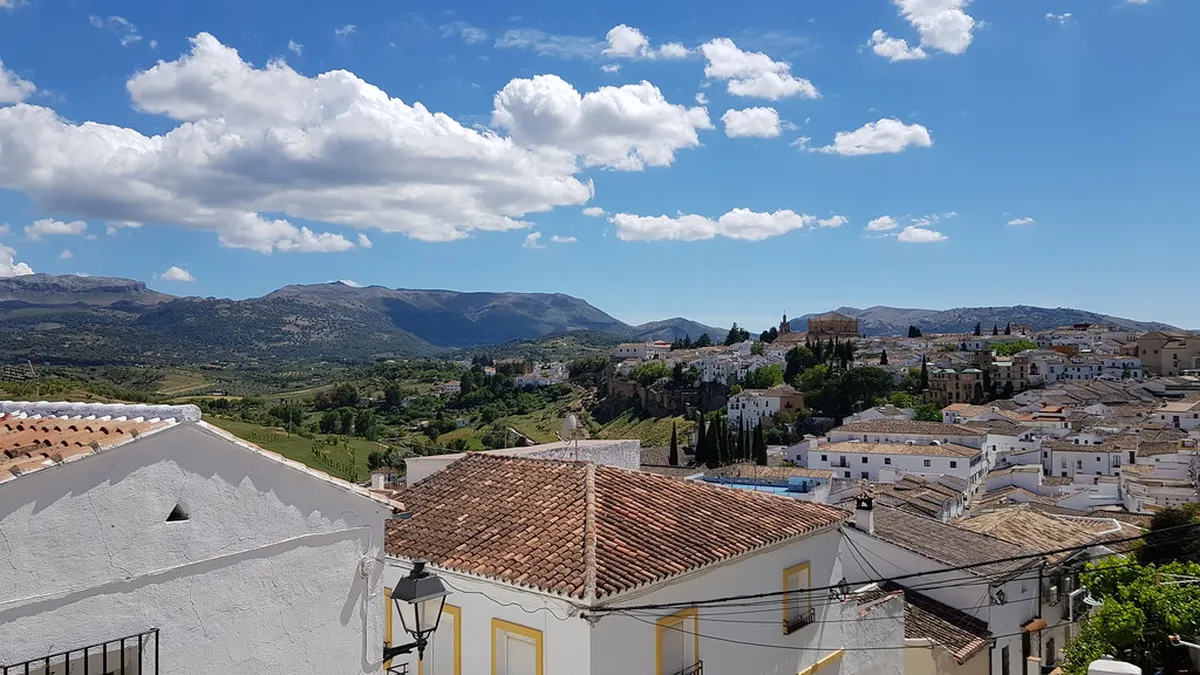
Table of Contents
Discover Ronda's Enchanting White Villages Style
Ronda, a jewel in Andalusia, offers more than just its iconic bridge. It beautifully embodies the timeless charm of Spain's white villages style. This distinctive architectural look captivates visitors worldwide. Understanding its origins enhances your travel experience greatly.
This guide explores the unique characteristics of Ronda's white villages style. You will discover its historical influences and what makes it so special. Prepare to uncover the beauty of this magnificent city in 2025. Learn more about Ronda's architecture guide before you begin.
What Defines Ronda's White Villages Style?
Ronda's white villages style, known as 'Pueblos Blancos', is truly iconic. Its defining feature is the uniform white color of its buildings. This brilliant white reflects sunlight, keeping homes cool. It also creates a stunning visual contrast against the blue sky.
The whitewash traditionally uses lime, a natural disinfectant. This practice keeps homes clean and bright year-round. You can learn more about why houses are painted white here. The simple, functional design reflects a rich history of adaptation.
Beyond the color, expect compact, cubic structures. Homes often feature terra cotta roof tiles. Small, iron-barred windows provide privacy and security. These elements contribute to the characteristic charm you will find.
Narrow, winding streets are another hallmark of this style. They create shaded passages, ideal for hot Andalusian summers. This clever urban planning has evolved over centuries. It makes exploring the old town a delightful experience.
Moorish and Christian Architectural Influences
Ronda's white villages style carries deep historical imprints. Moorish rule lasting over 700 years shaped much of its design. Islamic aesthetics introduced specific building techniques and decorative elements. These influences are still visible today.
Many houses feature enclosed courtyards or patios. These provide private green spaces and cool air flow. This design echoes traditional Moorish architecture in Ronda. Intricate tile work or 'azulejos' also show this heritage.
After the Reconquista, Christian influences emerged. Existing structures were adapted, not always replaced. Churches often occupy former mosque sites. The blend of styles creates a unique architectural tapestry.
You can see this blend in buildings like the Palacio de Mondragón. It features both Moorish courtyards and Renaissance facades. This fusion adds layers of historical depth to Ronda's buildings. Discover Palacio de Mondragón's history during your visit.
Exploring Characteristic Features in Ronda
Ronda's architectural details are worth a closer look. Pay attention to the beautiful wrought-iron balconies. These balconies often adorn upper floors. They add elegance and character to the whitewashed facades.
Many homes feature distinctive 'rejas' or iron grilles on windows. These provided security in earlier times. Today, they serve as decorative elements. These details contribute to the city's historic feel.
Doorways often present carved wooden doors. They are sometimes flanked by small stone benches. These benches offer a place to rest and socialize. Exploring Ronda's old town architecture reveals these charming touches.
The use of local building materials is also evident. Stone foundations provide stability for many structures. Natural pigments create subtle color variations in older lime washes. This local approach ensures harmony with the landscape.
Practical Tips for Experiencing Ronda's Style in 2025
🎯 Insider Tip: Discover the best Madrid experiences with Viator Tours!
Visiting Ronda in 2025 offers a fantastic experience. Wear comfortable shoes for walking the cobblestone streets. Many areas, especially in the old town, are pedestrian-friendly. Allow ample time to simply wander and absorb the atmosphere.
Consider visiting during the shoulder seasons (spring or fall). The weather is pleasant, and crowds are smaller. Summer can be very hot, with temperatures exceeding 30°C (86°F). Always carry water and wear sun protection.
Many historic homes are private residences. However, you can admire their exteriors. Take a guided architecture walking tour for deeper insights. Tours often highlight hidden courtyards and important buildings.
Don't forget your camera for stunning photos. The contrast of white buildings against green hills is picturesque. Early morning or late afternoon light creates the best photographic conditions. Capture the unique charm of Ronda's white villages style.
Frequently Asked Questions
🎯 Insider Tip: Discover the best Madrid experiences with Viator Tours!
What are the typical building materials in Ronda's white villages style?
Typical materials include local stone for foundations. Clay roof tiles are commonly used for roofing. The walls are primarily rendered with lime mortar. This mortar is then painted with a characteristic white lime wash. Discover more about Ronda's building materials.
Are there specific design elements unique to Ronda's white villages style?
Yes, several elements stand out. Whitewashed facades are a primary identifier. You will also see compact, cubic house shapes. Wrought-iron balconies and grilles are very common. Intimate patios with plants provide cool retreats. Learn about architectural details to notice in Ronda.
How can I best explore the architectural style of Ronda?
The best way is by exploring Ronda's historic districts on foot. Wander through the old town's narrow streets. Look for hidden patios and intricate doorways. Consider visiting landmark buildings like the Casa del Rey Moro. This allows you to experience the style firsthand. Check out Ronda's best preserved buildings.
Ronda's white villages style is a testament to its rich past. It combines practical design with undeniable aesthetic appeal. From whitewashed walls to intricate ironwork, every detail tells a story. This unique architecture shapes Ronda's identity.
Plan your 2025 visit to fully immerse yourself. Experience the charm, history, and beauty of this Andalusian gem. Start your architectural journey today and explore Architect Tourist for more travel insights.
Key Takeaways
🎯 Insider Tip: Discover the best Madrid experiences with Viator Tours!
- Ronda's white villages style features iconic whitewashed facades and compact designs.
- Moorish and Christian influences significantly shaped the city's unique architecture.
- Look for specific details like wrought-iron balconies and traditional patios.
- Walk the old town's narrow streets for the best experience of this architectural style.