
Ronda Bullring Architecture: A Neoclassical Masterpiece
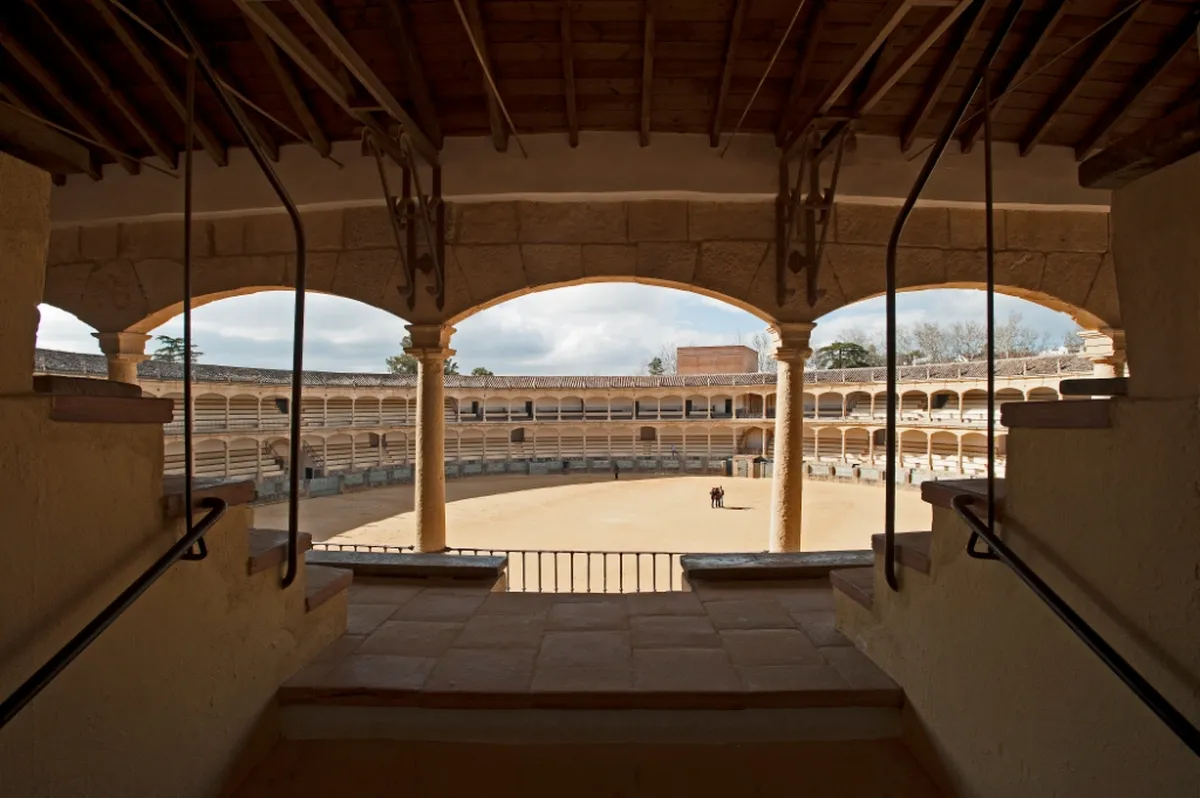
Table of Contents
Explore the Iconic Ronda Bullring's Grand Design
Ronda, Spain, holds many architectural wonders. Among them, the Plaza de Toros de Ronda stands out. This historic bullring showcases remarkable Ronda Bullring architecture. It represents an important part of Spanish cultural heritage. Planning your visit in 2025 will be an unforgettable experience. Explore this guide to uncover its secrets and beauty. Find more about Ronda's incredible architectural history.
This iconic structure is more than a bullring. It is a testament to 18th-century design. Its elegant lines and grand scale impress all visitors. You will learn about its unique features here. Prepare to be amazed by its timeless appeal. Ronda's old town perfectly complements its grandeur.
The Neoclassical Masterpiece of Ronda Bullring
The Ronda Bullring architecture is truly magnificent. It embodies the Neoclassical style. This design emphasizes symmetry and classical forms. Constructed in the late 18th century, it broke new ground. Its clean lines and harmonious proportions are striking. The building reflects a period of great artistic change.
Its pristine white facade dominates the surroundings. A double colonnade adorns the exterior. These columns support a two-story arcade. The use of stone and traditional techniques is evident. You can admire the intricate craftsmanship up close. This grand design makes it a top architectural landmark.
Architect José Martin de Aldehuela designed this masterpiece. He also contributed to the famous Puente Nuevo bridge. His vision brought classical ideals to Ronda. The bullring opened its doors in 1785. It quickly became a symbol of the city. Discover more about the neoclassical design elements.
Key Architectural Features to Admire
The Ronda Bullring boasts unique architectural features. Its circular arena measures 66 meters in diameter. This makes it one of the largest in Spain. The sandy surface is meticulously maintained. Surrounding the arena are two tiers of seating. These provide excellent views for spectators.
The seating area includes 136 Tuscan columns. These elegant columns support arcades. They create a covered walkway for visitors. The Royal Box, or 'Palco Real,' is a prominent feature. It showcases ornate detailing and prime viewing. This special section was reserved for nobility.
Entrance to the bullring is through majestic gates. The main gate is particularly impressive. Its design aligns with the neoclassical aesthetic. Inside, you will find durable local stone. This material ensures the structure's longevity. Learn about other architectural details to notice in Ronda.
A Brief History and Design Influence
Construction of the Plaza de Toros began in 1779. It took six years to complete. The Real Maestranza de Caballería de Ronda commissioned it. This Royal Cavalry Order sought a suitable place for equestrian training. Their influence is clear in the bullring's purpose and design. The building reflects their prestige and power.
The era favored neoclassical architecture. This style looked back to Greek and Roman antiquity. It offered a sense of order and grandeur. Such influences can be seen across Ronda. Many Renaissance-inspired buildings exist. The bullring became a template for future Spanish bullrings. It set a high standard for design and functionality.
Over centuries, it has hosted famous bullfighters. It remains an active symbol of tradition. Though formal bullfights are rare, its history endures. The design has inspired many. It perfectly blends form and function. This makes it a significant site in Ronda's architectural timeline.
Planning Your Visit to the Plaza de Toros
⭐ Recommendation: Don't miss out on amazing Madrid tours - book now!
Visiting the Ronda Bullring in 2025 is simple. It offers an engaging experience for all. The bullring is open almost daily. Hours typically run from 10:00 AM to 6:00 PM. Always check the official website for current times. Special events may affect opening hours.
Admission includes access to the bullring and its museum. The Museo Taurino (Bullfighting Museum) is fascinating. It houses historical costumes, weapons, and artwork. A ticket costs approximately €8-10 for adults. Discounts may be available for students or seniors. Consider an audio guide for deeper insights.
You can purchase tickets online or at the entrance. Online booking is recommended during peak season. This avoids long queues, especially from April to October. The ticket prices for Ronda landmarks are generally affordable. Plan for about 1-2 hours to explore fully. Consider taking a guided architecture walking tour for more context.
Beyond the Ring: Museum and Equestrian School
The Plaza de Toros offers more than just the arena. The on-site museum is a treasure trove. It details the history of bullfighting. You will see artifacts from centuries past. This provides context to the bullring's heritage. It connects architecture with cultural traditions.
Adjacent to the bullring is the Real Maestranza Equestrian School. This prestigious school continues the cavalry tradition. Visitors can often witness horses being trained. The school's stables showcase fine Andalusian horses. Their graceful movements are captivating to watch. It is a wonderful addition to your visit.
The entire complex is a testament to Ronda's past. It honors both equestrian arts and bullfighting. This combination creates a unique cultural landmark. The architecture supports these traditions beautifully. It truly is one of Ronda's best preserved buildings. Take time to appreciate every aspect of this historic site.
Frequently Asked Questions
Who was the architect behind Ronda Bullring's design?
The renowned architect José Martin de Aldehuela designed the Ronda Bullring. He also designed the iconic Puente Nuevo bridge. His work shaped much of Ronda's neoclassical aesthetic. He left an indelible mark on the city's architectural landscape. Learn more about who designed the Ronda Bullring.
What is unique about the Ronda Bullring architecture?
The Ronda Bullring is unique for its entirely stone construction. It features a grand double-tiered arcade. This elegant design sets it apart. It was also one of the first bullrings to be fully circular. This innovative layout offered improved visibility. It established a new standard for future bullrings.
Are bullfights still held at the Plaza de Toros de Ronda today?
Traditional bullfights are very rare today. They typically occur once a year. This happens during the Pedro Romero Fair in September. The focus is now on preserving its history. Many prefer to enjoy the site for its architectural beauty. Explore other religious architecture in Ronda too.
Can I visit the Ronda Bullring museum?
Yes, your entrance ticket includes museum access. The Museo Taurino is located within the bullring complex. It showcases the history of bullfighting. You will find costumes, photographs, and historical artifacts. It provides valuable insight into the tradition. Many find it a highlight of their visit.
The Ronda Bullring architecture offers a profound journey into history. Its neoclassical design is truly captivating. It stands as a testament to 18th-century Spanish grandeur. This iconic landmark blends beauty with rich cultural heritage. Visiting in 2025 promises an unforgettable experience. Plan your architectural adventure to Ronda soon!
Immerse yourself in its magnificent design. Discover the stories held within its walls. Explore more historic buildings in Ronda. Prepare to be inspired by this timeless Spanish masterpiece. Your architectural exploration awaits. For more travel tips, visit Architect Tourist.
Key Takeaways
💡 Pro Tip: Book your Madrid adventures in advance through Viator for the best deals!
- The Ronda Bullring is a prime example of 18th-century Neoclassical architecture.
- Visit in 2025 to explore the museum and equestrian school, beyond the arena itself.
- Book tickets online in advance, especially during peak season, to save time and ensure entry.