
Discover Who Designed the Iconic Ronda Bullring Building
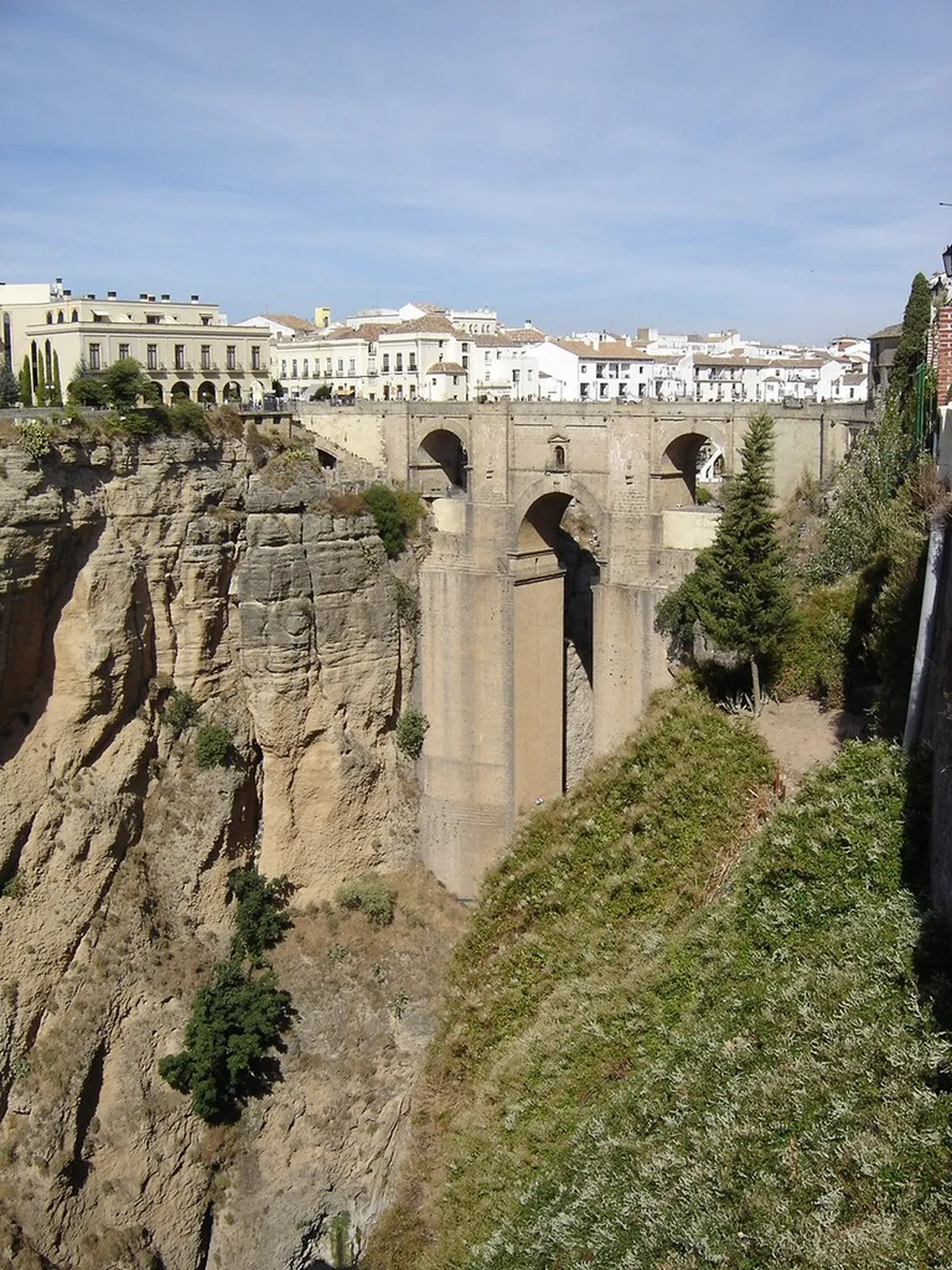
Table of Contents
Ronda Bullring's Grandeur: Unveiling Its Architect and Design
The Ronda Bullring, known as Plaza de Toros de Ronda, stands as an architectural marvel. This historic arena attracts visitors globally each year. Many people wonder who designed the Ronda Bullring building. Its unique design and rich history make it a true Spanish treasure.
This article will delve into its fascinating past. You will discover the brilliant mind behind its creation. We will explore the Neoclassical elements that define its beauty. Prepare to uncover the secrets of this enduring architectural masterpiece in Ronda, Spain. Plan your visit to this remarkable landmark in 2025.
Architect Martín de Aldehuela: The Visionary Behind the Ronda Bullring
The mastermind behind the magnificent Ronda Bullring was Martín de Aldehuela. He was a prominent Spanish architect of the 18th century. Aldehuela left an indelible mark on Andalusia's architectural landscape. His work helped shape many iconic structures in the region.
Construction began in 1785 under Aldehuela's direction. The Real Maestranza de Caballería de Ronda commissioned the project. They sought a grand and permanent bullring. This influential equestrian order desired a fitting venue for their traditions. Aldehuela embraced this challenge with his distinct vision.
Aldehuela also designed Ronda’s famous Puente Nuevo bridge. His expertise in engineering and aesthetics shone through. He was a master of the Neoclassical style. You can explore more about famous architects of Ronda. His architectural legacy in Ronda remains profound and visible today.
The Neoclassical Design of Ronda's Plaza de Toros
The Ronda Bullring exemplifies Neoclassical architecture. This style emerged in the 18th century across Europe. It emphasized symmetry, grandeur, and classical Greek and Roman influences. Aldehuela incorporated these principles expertly into the bullring's layout.
The design features a perfectly circular arena. This central element ensures excellent visibility for all spectators. It creates a sense of harmony and order. The two-tiered seating area is supported by elegant arcades. These arches contribute to its distinctive appearance.
The white stone façade gleams under the Andalusian sun. This choice of material highlights its classical lines. Each detail reflects a commitment to aesthetic balance. Discover more about the Neoclassical design of the Plaza de Toros. It remains a prime example of this enduring architectural period.
Construction & Evolution: Building an Enduring Icon
The construction of the Ronda Bullring was a monumental undertaking. It took many years to complete this grand structure. The bullring officially opened in 1785. However, the work continued until 1792 to finalize all details. Local artisans and laborers contributed their skills.
Martín de Aldehuela meticulously oversaw every stage. He ensured the highest quality of craftsmanship. The bullring was primarily built using stone from local quarries. This durable material guaranteed its longevity. Explore the Ronda building materials guide for more insights. The robust construction has allowed it to withstand centuries.
Over the years, minor renovations have preserved its integrity. These efforts maintain its original beauty and structural soundness. The bullring stands as a testament to 18th-century engineering. It showcases the architectural prowess of its time. You can learn more about Ronda's architectural timeline. It continues to inspire awe in visitors today.
Experiencing the Ronda Bullring: Museum & Events in 2025
Visiting the Ronda Bullring offers a deep dive into Spanish culture. The entry fee in 2025 is typically around 8-10 Euros. This price includes access to the bullring and its museum. Check the official website for current pricing and opening hours before your visit.
The museum, Museo Taurino, houses a rich collection of bullfighting artifacts. You can see traditional bullfighting costumes and weapons. Historical documents and art pieces are also on display. This museum provides context for the bullring's enduring legacy. It explains its importance to Spanish tradition.
Though rarely used for bullfights today, it hosts other events. The
Experiencing the Ronda Bullring: Museum & Events in 2025
⭐ Recommendation: Don't miss out on amazing Madrid tours - book now!
Visiting the Ronda Bullring offers a deep dive into Spanish culture. The entry fee in 2025 is typically around 8-10 Euros. This price includes access to the bullring and its museum. Check the official website for current pricing and opening hours before your visit.
The museum, Museo Taurino, houses a rich collection of bullfighting artifacts. You can see traditional bullfighting costumes and weapons. Historical documents and art pieces are also on display. This museum provides context for the bullring's enduring legacy. It explains its importance to Spanish tradition.
Though rarely used for bullfights today, it hosts other events. The Real Maestranza holds a famous equestrian show, 'Así Canta y Baila Andalucía'. This spectacle highlights Andalusian horsemanship. Plan your visit to experience Ronda's landmark ticket prices and offerings. It is a must-see stop on any Ronda architecture walking tour.
Why Ronda's Bullring Architecture Matters Today
The Ronda Bullring is more than just an arena. It represents a significant piece of Spanish heritage. Its architectural brilliance influences modern design. The structure's timeless elegance continues to captivate architects and tourists alike. It showcases the enduring power of classical aesthetics.
This bullring is also crucial for understanding local identity. It symbolizes Ronda's deep connection to equestrian traditions. The Real Maestranza de Caballería still uses the grounds. They maintain the historic link to their past. This link strengthens the city's cultural narrative.
Efforts to conserve the bullring are ongoing. Its status as a cultural monument ensures its protection. Future generations can appreciate its grandeur. Learning about preserving Ronda's heritage reveals dedicated work. The Ronda Bullring stands proudly among Ronda's best preserved buildings.
Frequently Asked Questions
What materials were primarily used for the Ronda Bullring construction?
The Ronda Bullring was constructed primarily using high-quality stone. This durable material came from local quarries. The choice of stone provided strength and a beautiful white finish. It also ensured the building's longevity and structural integrity.
Wood was also used for internal structures, like seating. However, stone dominates the visible architectural elements. This contributes to its iconic Neoclassical appearance. For more details, explore the Ronda building materials guide.
Is the Ronda Bullring still used for bullfights today in 2025?
Traditional bullfights are rare at the Ronda Bullring today. It primarily serves as a museum and event venue. The Real Maestranza de Caballería de Ronda hosts a prestigious equestrian show. This event celebrates Andalusian horsemanship and culture. Occasional, special bullfights still happen, but they are not a regular occurrence.
You can visit the bullring daily for tours and museum access. Check the official website for any planned events. Visiting offers a unique look at Ronda Bullring architecture. Its history is incredibly rich.
How does Ronda's bullring compare to other Spanish bullrings architecturally?
Ronda's Bullring is unique among Spanish bullrings. It holds the distinction of being one of the oldest and most architecturally significant. Its purely Neoclassical design sets it apart. The elegant stone double arcade is a distinctive feature.
Many other bullrings across Spain have more utilitarian designs. Some later bullrings are larger, but few match Ronda's historical elegance. Its perfectly circular arena was also revolutionary for its time. This makes it a benchmark in bullring design. You can appreciate Ronda's best preserved buildings, including the bullring.
The Ronda Bullring stands as a timeless monument to architectural brilliance. Martín de Aldehuela's vision shaped this Neoclassical masterpiece. Its design principles continue to inspire. Visiting offers a rich journey into Spanish history and culture.
This iconic structure defines Ronda's identity. It embodies the city's unique heritage. Make sure to explore this historical site in 2025. Discover more about Ronda's architecture guide to enhance your trip. Experience the grandeur of the Plaza de Toros firsthand.
Key Takeaways
- Martín de Aldehuela designed the Ronda Bullring, a Neoclassical masterpiece.
- The bullring was constructed from 1785-1792 using local stone.
- It features a unique double arcade and a perfectly circular arena.
- Visit in 2025 for its museum and equestrian shows, tickets around 8-10 Euros.
- The Ronda Bullring is a vital symbol of Spanish cultural and architectural heritage.