
Asturian Hórreos: What Are They Used for Today in 2025?
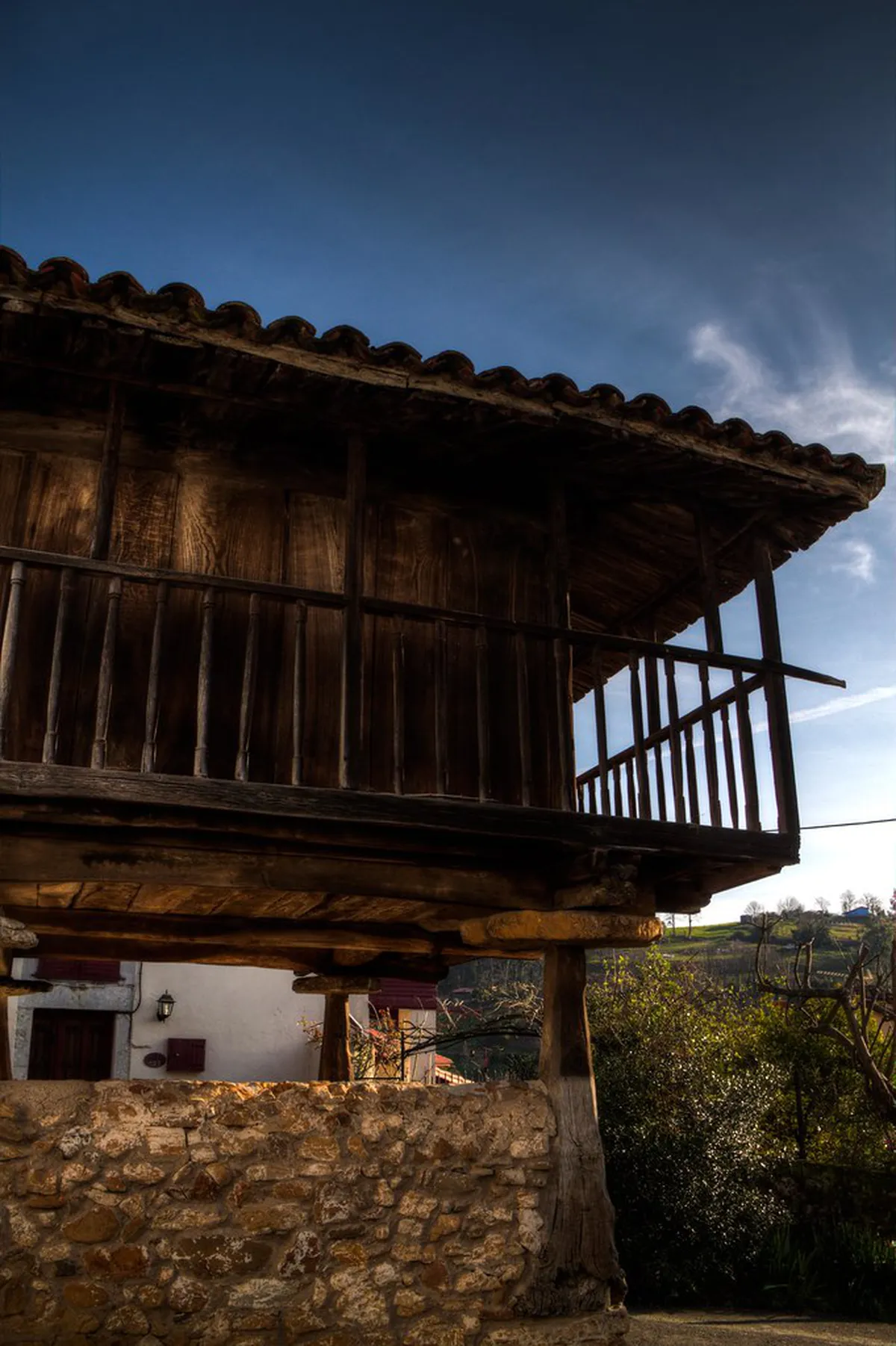
Table of Contents
Modern Uses of Asturian Hórreos: Beyond Traditional Storage
Asturias, Spain, boasts unique architectural treasures. The region's iconic hórreos are elevated granaries. They once stored grain and protected food from pests. These traditional structures represent rich rural heritage.
Many travelers wonder what are hórreos used for today. In 2025, their roles have beautifully evolved. Learn more about Asturian hórreos explained in detail. You can explore the Oviedo architecture guide for local insights.
The Enduring Legacy of Asturian Hórreos
Hórreos originally served as vital agricultural buildings. Farmers used them to store maize, beans, and cider apples. Their raised design kept rodents and moisture away. This ingenuity ensured food security.
These structures were essential for rural families. They safeguarded harvests throughout the year. Their unique construction methods are a testament to past wisdom. This system was highly effective for centuries. You can learn more about Asturian hórreos explained in detail.
Today, few hórreos remain in active agricultural use. Modern storage methods have largely replaced them. However, their cultural importance has only grown. They stand as powerful symbols of Asturian identity.
Their presence connects us to a bygone era. Many communities actively preserve their hórreos. Restoration projects ensure their survival for future generations. These efforts highlight their architectural beauty. For a deeper dive into their history, see our article on Oviedo's architectural history.
Hórreos as Cultural and Tourism Gems
Asturian hórreos have transformed into tourist attractions. Visitors flock to rural areas to admire them. Their distinct architecture offers great photo opportunities. They provide a glimpse into Asturian history.
Many now contribute significantly to local tourism. Rural tourism initiatives often feature hórreos prominently. Some guesthouses offer accommodation within renovated ones. This creates a truly unique travel experience.
Tour operators include them on cultural itineraries. They are popular spots for best Oviedo photo spots nearby. Local festivals frequently highlight these structures. They become backdrops for traditional events.
Cultural centers often host workshops around them. This reinforces their place in Asturian identity. The region actively celebrates these iconic buildings. Consider adding a visit to these historical structures during your trip. Discover more about Pre-Romanesque Monuments in Oviedo for broader context.
Modern Adaptations: From Storage to Homes and Shops
While traditional storage has faded, new uses emerge. Some hórreos have been beautifully converted. You might find them serving as charming guesthouses. Others function as small, unique shops selling local crafts.
They offer a quaint and memorable shopping experience. In certain rural villages, hórreos become private residences. They offer cozy, elevated living spaces. Owners often preserve their historic exterior carefully. These conversions beautifully answer what are hórreos used for today.
Modern interiors provide comfort and functionality. These conversions blend old with new seamlessly. Some hórreos even house small art studios or cafes. Imagine enjoying coffee inside a centuries-old granary.
These creative adaptations give hórreos new life. They invite interaction with visitors and locals alike. This shows how adaptable these historic structures truly are. Many can be seen on a comprehensive Oviedo architecture walking tour. Learn about other civil architecture examples in the region.
It is important to remember their delicate structure. Major structural changes require careful planning. Owners prioritize minimal impact on the original design. This ensures their historical integrity remains. Conversions respect their past purpose and form.
Preserving Heritage: Laws and Restoration Efforts
🎯 Insider Tip: Discover the best Oviedo experiences with Viator Tours!
Protecting hórreos is a serious endeavor in Asturias. Regional laws safeguard these historical structures. They are considered cultural heritage assets. This legal protection prevents demolition and uncontrolled alterations.
It ensures their long-term survival for future generations. The Asturian government offers grants for restoration. Owners can apply for financial aid. This helps cover repair and maintenance costs.
Specialists use traditional methods for authenticity. Expert craftsmanship keeps them sound. This support is crucial for their upkeep in 2025. Local communities play a crucial role in preservation.
They organize initiatives to raise awareness. Volunteers often assist with smaller restoration projects. Education programs teach about their significance. Such efforts ensure these buildings endure. Discover more about historical building restoration in Oviedo and the region.
Visiting these restored hórreos helps support preservation. Your interest encourages continued efforts. Many hórreos are private, but visible from public paths. Always respect private property when exploring. Look for open hórreos on tourist routes. Consider the importance of preserving all unique structures, like the La Foncalada Fountain.
Where to Experience Hórreos Near Oviedo in 2025
Oviedo itself has very few hórreos within the city limits. They are primarily found in rural areas. Head to the surrounding countryside for the best views. Many villages just outside Oviedo boast impressive collections.
These include the famous Valdes hórreos. Consider a day trip to explore these rural treasures. Villages like Bueño or Sietes are excellent choices. They are often called "hórreo villages."
You can take a guided Oviedo architecture walking tour that includes the outskirts. Or drive yourself to explore at leisure. This offers a unique cultural immersion. In Bueño, you will find a large concentration.
This village is particularly well-preserved. It even has an interpretation center dedicated to hórreos. Entry fees are minimal, around €2-€3 per person. Check opening times for 2025 before your visit. Parking is usually available, but can be limited in peak season.
For a detailed map and specific locations, refer to local tourist offices. They can provide current information. Always respect private property signs. Many hórreos are on private land. You can learn where to see hórreos near Oviedo easily. Enjoy your unique exploration of Asturian heritage.
Frequently Asked Questions
Are hórreos still used for storing grain in Asturias today?
While historically for grain, most hórreos are not used for that anymore. Modern agriculture uses different storage facilities. Some rural families might still store small crops or tools. However, this is far less common than in the past. Their primary role has truly shifted.
Can I stay in a hórreo when visiting Oviedo, Spain?
Yes, some hórreos have been converted into charming tourist accommodations. These offer a truly unique experience. Search for "hórreo rentals Asturias" online. Booking in advance for 2025 is highly recommended. Enjoy your stay in a piece of history. For more unique stays, consider Casonas Indianas near Oviedo.
What materials are hórreos made of?
Asturian hórreos are typically constructed from wood and stone. The main structure uses chestnut or oak beams. Stone pillars, called pegollos, raise the granary. Flat stones on top, mueles, prevent rodent access. This ingenious design keeps contents safe. Learn more about Asturian hórreo construction and architecture.
What is the typical cost to visit a hórreo museum or interpretation center?
Visiting an interpretation center typically costs around €2-€5 per person. For example, the Bueño Hórreo Interpretation Center charges a small fee. These costs help support maintenance and educational programs. Prices might vary slightly in 2025. Always check their official websites for current details on ArchitectTourist.com.
Asturian hórreos have transformed significantly over time. They are no longer just practical granaries. In 2025, they stand as cherished cultural symbols. Their modern uses range from tourism to unique dwellings.
These structures embody Asturian resilience and heritage. Plan your visit to Oviedo and experience these unique buildings. Explore more Oviedo architectural history and discover its rich past.
Key Takeaways
- Hórreos primarily serve cultural and tourism roles today.
- Many are preserved, restored, or converted into unique accommodations.
- Visit rural villages near Oviedo like Bueño to see them.
- Support local heritage by exploring these iconic structures.