
Asturian Hórreos Explained: Spain's Unique Granaries
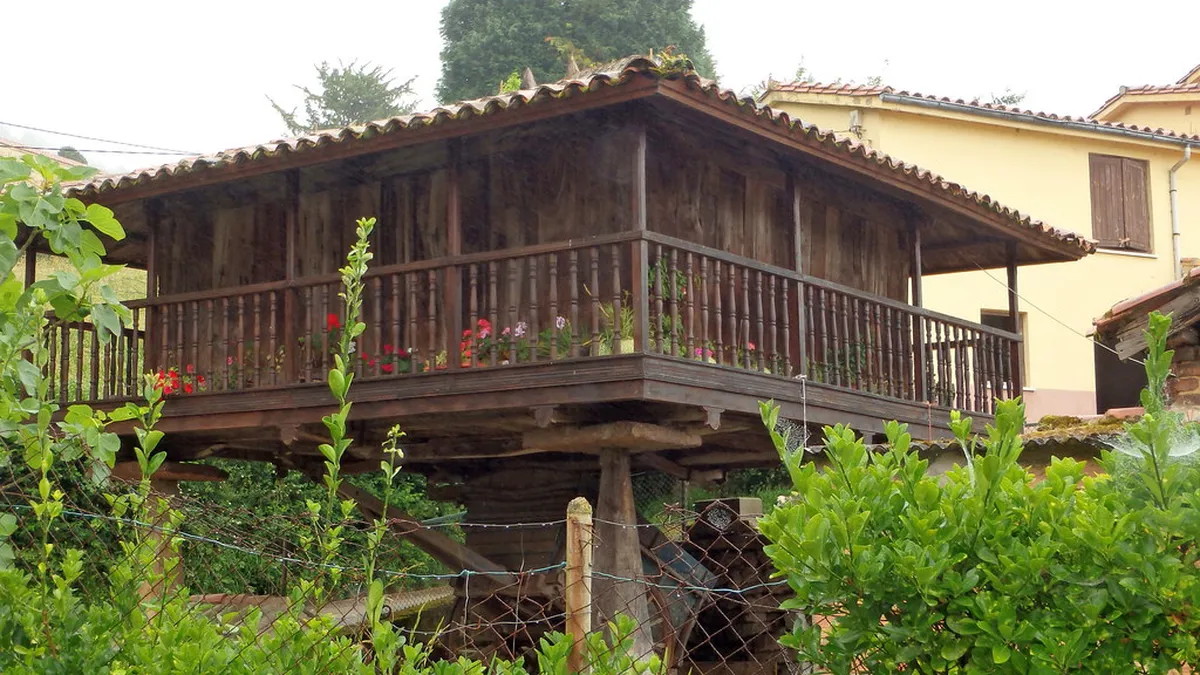
Table of Contents
Discover Asturian Hórreos: A Deep Dive into Rural Architecture
Asturias, a verdant region in northern Spain, boasts unique architectural traditions. Among its most iconic symbols are the fascinating Asturian hórreos. These traditional granaries stand proudly across the landscape. They offer a glimpse into the region's rich rural heritage.
Understanding Asturian hórreos explained their historical significance. They are not just simple buildings. They represent centuries of clever design and cultural identity. Discover more about this distinctive Spanish architecture here.
What Are Asturian Hórreos? Purpose and Design
Asturian hórreos are unique elevated granaries. Farmers traditionally used them for crop storage. They kept corn, beans, and chestnuts safe. This provided essential food security for families.
Their clever design actively prevents pests. The main wooden structure rests on sturdy stone pillars, called 'pegollos'. Each 'pegollos' is capped by a flat stone 'muela'. These 'muelas' stop rodents, thus protecting vital food supplies.
Hórreos are also designed for optimal ventilation. Slatted wooden walls allow air to circulate freely. This prevents moisture buildup and spoilage. The raised structure further aids air flow. These features highlight their functional brilliance. You can see similar clever design in Pre-Romanesque monuments near Oviedo.
They are typically square or rectangular. The timber frame is often oak or chestnut wood. Some older hórreos feature carved decoration. These designs often reflect local folklore. This traditional Asturian architecture is remarkably sustainable.
The Rich History of Asturian Hórreos in Spain
The history of Asturian hórreos spans many centuries. The earliest documented examples date back to the 15th century. However, their origins are likely much older. These structures evolved from simpler storage methods.
Hórreos became central to Asturian agricultural life. They allowed communities to store harvests for longer periods. This reduced food waste significantly. They symbolized prosperity and self-sufficiency.
Over time, their design saw slight variations. Regional styles emerged across Asturias. Some areas favored more elaborate carvings. Others focused purely on function. This diversity adds to their charm.
Today, preserving these structures is crucial. Many hórreos have been carefully restored. They are protected as cultural heritage sites, with efforts mirroring historical building restoration in the region. Visitors can learn about their past, similar to exploring Oviedo's old town architecture.
Understanding their evolution enriches any visit. They link modern Asturias to its rural past. These granaries tell a story of resilience. This makes them truly special historical buildings.
Architectural Features of a Traditional Asturian Hórreo
An Asturian hórreo showcases incredible craftsmanship. Its primary structure is usually timber. Oak and chestnut wood are common materials. These woods offer durability against the elements. The carpentry often uses traditional joinery.
The roof is typically four-sided. It is often covered with traditional ceramic tiles. Slate roofs are also seen in some areas. The roof overhang protects the walls. This helps keep the interior dry. Robust construction is vital for longevity.
Key to its function are the 'pegollos' and 'muelas'. These supporting stone pillars and flat stone rat-guards are crucial. They represent unique aspects of traditional civil architecture. These features ensure proper protection and stability.
The walls are made of wooden planks. These planks are often spaced slightly apart. This design permits excellent airflow. It prevents moisture from damaging the crops. This breathable structure is fundamental.
Some hórreos feature intricate carvings. These designs might include geometric patterns. Others show religious symbols or family initials. Such details add personal touches. They reflect the owner's identity and beliefs.
Where to See Asturian Hórreos Near Oviedo in 2025
🎯 Insider Tip: Discover the best Oviedo experiences with Viator Tours!
Exploring the countryside near Oviedo reveals many hórreos. Many can be found in small, traditional villages. A scenic drive is highly recommended. These areas offer stunning views and cultural insights.
Consider a trip to the municipality of Llanera. It is very close to Oviedo. You will find many well-preserved hórreos there. The village of Grado also boasts several examples. These locations are easily accessible by car.
Another excellent spot is the Ethnographic Museum of Grandas de Salime. It showcases various hórreo styles. This museum provides great educational context. It is a bit further west but worth the drive. Entry costs around 3-5 euros per person.
For picturesque views, visit the Senda del Oso (Bear Path) area. Many hórreos dot the valleys alongside the path. This offers great photo opportunities. Remember to respect private property when viewing. Always ask permission if approaching very closely.
Plan your visit for spring or early autumn 2025. The weather is pleasant, and crowds are thinner, allowing for a relaxed experience. Discovering these architectural gems is a true highlight for many visitors. Find specific locations at local tourist information centers.
Frequently Asked Questions
What makes Asturian hórreos unique compared to others?
Asturian hórreos feature distinct square or rectangular shapes. They often have four supporting 'pegollos', topped with 'muelas' (rat-guards). Their design differs from the elongated Galician hórreos. These specific features are visually notable and unique.
Can visitors enter Asturian hórreos?
Most hórreos are on private property. Therefore, entry is generally not permitted. Some hórreos have been converted for tourist use. These might be part of museums or rural accommodations. Always check local guidelines. Respect private ownership.
How old are the oldest Asturian hórreos known today?
The oldest surviving Asturian hórreos date from the 15th century. Historical records suggest even earlier versions existed. Many have been meticulously restored. They remain a testament to ancient building practices. Learn more about historical building restoration efforts here.
What are hórreos used for today in Asturias?
While some still store crops, modern uses vary greatly. Many serve as decorative garden sheds or small guest houses. Their traditional purpose has largely evolved, but their cultural value endures. Explore their evolving role at what are horreos used for today.
Asturian hórreos are more than just old granaries. They are living symbols of Asturias' heritage. Their ingenious design showcases rural ingenuity. They connect us to a past deeply rooted in agriculture.
Visiting these structures offers a unique cultural experience. They stand as a testament to practical beauty. Make sure to include them on your next trip to Oviedo. Discover their stories and timeless charm. Plan your Oviedo architecture exploration soon.
Key Takeaways
- Asturian hórreos are elevated granaries designed for crop storage.
- Their unique features include 'pegollos' (pillars) and 'muelas' (rat-guards).
- Many hórreos date back to the 15th century and are cultural heritage sites.
- Visit rural villages near Oviedo like Llanera or Grado to see them in 2025.
- Modern hórreos serve varied purposes, from storage to tourist accommodation.