
Discover Oviedo's Pre-Romanesque Monuments 2025
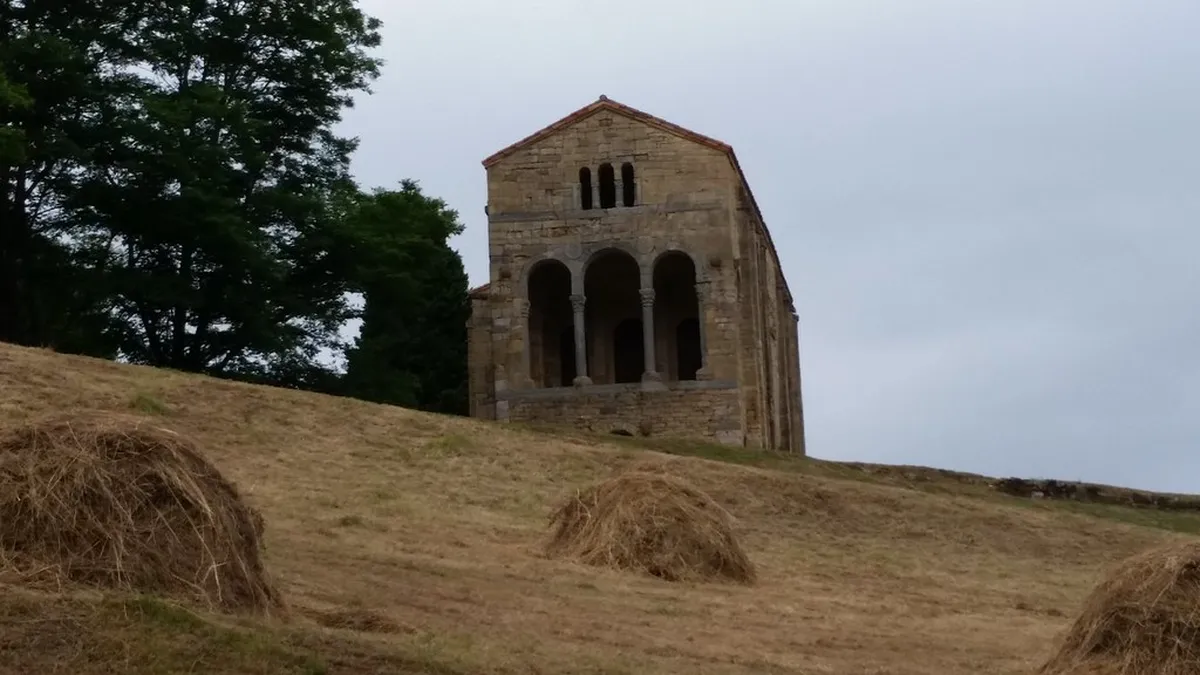
Table of Contents
Explore Asturias' Ancient Pre-Romanesque Monuments Oviedo
Oviedo, the capital of Asturias, holds incredible architectural treasures. Its unique Pre-Romanesque monuments are truly special. These ancient structures reflect an early medieval kingdom. They offer a glimpse into a powerful historical era.
These buildings stand as a testament to Asturian art. This distinct style predates the later Romanesque period. Plan your 2025 trip to discover them firsthand. Learn more about Oviedo's rich architectural history.
This comprehensive guide will help you explore these sites. We cover their history, visiting tips, and practical details. Understand why Pre-Romanesque architecture is important. Prepare for an unforgettable journey through time.
What Defines Asturian Pre-Romanesque Architecture?
Asturian Pre-Romanesque architecture emerged during the 8th century. It developed under the Kingdom of Asturias' rule. This unique style significantly predates broader European Romanesque. It showcases a distinct artistic and structural identity.
Its key characteristics include strong buttresses. These support impressive barrel vaults. Structures often feature a unique triple arch design. Intricate relief carvings decorate capitals and friezes. You will observe these elements across many monuments.
Kings like Alfonso II and Ramiro I championed this style. Their reigns saw the construction of many significant buildings. These showcased a rich cultural and political period. They affirmed Asturian identity against Moorish influence.
This architectural period spanned roughly from 718 to 910 AD. It combined Visigothic and local traditions. Roman architectural influences are also visible. The result is a truly original regional style, distinct from later Baroque architecture in Oviedo.
UNESCO recognized several Asturian sites. These are designated World Heritage treasures. They preserve a crucial part of European early medieval history. Visiting them is a profound journey into the past, offering a glimpse into Oviedo's architectural past.
Santa María del Naranco and San Miguel de Lillo
High on Mount Naranco sit two architectural marvels. Santa María del Naranco was a former royal palace. San Miguel de Lillo originally served as a church. They offer incredible, panoramic views of Oviedo.
Santa María del Naranco dates back to 848 AD. King Ramiro I commissioned this exquisite palace. It later transformed into a church in the 12th century. Its elegant design and harmonious proportions are remarkable. Explore more details about Santa María del Naranco.
San Miguel de Lillo stands just a short walk away. This church was also built for King Ramiro I. Originally much larger, only a third of the structure remains. Its interior boasts impressive decorative Romanesque arches. Intricate carvings adorn its door jambs.
These sites are typically visited together. A combined ticket often provides entry to both. Check current prices for 2025 at the ticket office. Tickets cost approximately 3-4 euros per site. Consider joining a guided tour for deeper insights.
Access requires a short uphill walk or bus ride. The setting is peaceful and beautiful. Allow at least two to three hours for both. This includes travel time and exploration. It's an essential experience in Oviedo.
San Julián de los Prados: Oviedo's Grandest Church
San Julián de los Prados, affectionately known as Santullano, is stunning. King Alfonso II ordered its construction around 812 AD. This grand church is dedicated to St. Julian and St. Basilissa. It represents an early peak of Asturian art.
It stands out for its vast size and basilical plan. The church features three naves and a transept. Its rich interior frescoes are particularly unique. These murals depict early Christian symbols and architectural scenes. They cover large sections of the walls and vaults.
The church is located just north of Oviedo's city center. It's easily accessible on foot from the Old Town. Check official opening hours before your visit to avoid disappointment. Guided tours are often available at specific times. Discover more about San Julián de los Prados.
Entry fees are usually around 2-3 euros per person. Consider purchasing a joint ticket if available. Limited street parking is available nearby. This site offers deep historical and artistic insights. It provides a peaceful retreat from city bustle.
Its monumental scale signifies its royal patronage. The detailed frescoes are especially noteworthy. They are considered some of the most important examples. They reflect early Christian iconography in Spain. This church is a true gem of Pre-Romanesque religious architecture.
La Foncalada and Cámara Santa
🌟 Local Expert Tip: Get the most out of your Oviedo visit with guided tours!
Oviedo boasts other crucial Pre-Romanesque sites. La Foncalada is a truly unique public fountain. It remains the only preserved Pre-Romanesque fountain in Europe. King Alfonso II ordered its construction in the 9th century.
This fountain provided fresh drinking water to the city. It features a distinctive triple arch design. Inscriptions on the stone are still remarkably visible. La Foncalada is also a designated UNESCO World Heritage site. You can easily find it near the city center, on Calle de la Foncalada. Learn about La Foncalada's historical significance.
The Cámara Santa (Holy Chamber) is located within the Oviedo Cathedral. This revered chamber is also Pre-Romanesque in origin. It served as a royal chapel and reliquary. It protects precious Asturian jewels and relics.
These treasures include the Cross of the Angels. Also, the Cross of Victory, symbols of Asturian royalty. The Cámara Santa's upper floor showcases sculptures. These represent the Apostles in a Romanesque style. Its lower crypt holds significant relics.
Access to the Cámara Santa requires a cathedral entry ticket. The cathedral museum entry includes this sacred area. Expect costs around 7-8 euros for a comprehensive tour. Opening hours vary by season and religious services. It is a vital part of the Pre-Romanesque journey.
Planning Your 2025 Pre-Romanesque Tour
⭐ Recommendation: Don't miss out on amazing Oviedo tours - book now!
Visiting these incredible monuments requires some careful planning. Many sites offer informative guided tours. These tours provide valuable historical context and insights. Booking ahead, especially for groups, is often recommended.
Consider purchasing the Oviedo Card for potential discounts. It can cover entry fees and public transport. Public buses frequently run to Mount Naranco. A taxi or ride-share service is another convenient option. These offer direct access to the mountain sites.
Wear comfortable shoes, as some sites involve uphill paths. Check official websites for the most updated hours. Seasonal changes can affect accessibility and timings. Always confirm all operational details for your 2025 visit. This ensures a smooth experience.
Allow ample time for each individual visit. Santa María and San Miguel typically require 2-3 hours. San Julián de los Prados takes about an hour. The Cámara Santa visit depends on the overall cathedral tour duration. For more options, see nearby Pre-Romanesque churches.
Explore Oviedo's charming Old Town after your tour. Enjoy authentic local Asturian cuisine. This journey offers a rich cultural experience. It blends ancient history with modern exploration. Make the most of your time in this historic city.
Frequently Asked Questions
What is the main characteristic of Pre-Romanesque Monuments Oviedo?
Asturian Pre-Romanesque buildings are architecturally distinctive. They feature unique triple arches. Strong exterior buttresses support their barrel vaults. Intricate relief carvings decorate capitals and friezes. This style is unique to the Asturian Kingdom. It reflects its independence and innovation.
Can I visit all Pre-Romanesque sites in one day?
Visiting all main sites in a single day is ambitious but possible. You can certainly see most of them with careful planning. Prioritize Santa María del Naranco and San Miguel de Lillo. San Julián de los Prados is also an essential stop. The Cámara Santa is conveniently located within the Cathedral.
Plan your itinerary carefully, considering travel times. Public transport can efficiently connect different locations. Consider starting your day early in the morning. A focused approach ensures you experience each site properly. This maximizes your historical exploration.
Are guided tours available for the Pre-Romanesque Monuments Oviedo?
Yes, guided tours are highly recommended for these sites. They provide invaluable historical and architectural context. Many individual sites offer official guided tours. You can also find private guides through local tour operators. Check Oviedo's tourist information for booking options. These tours reveal many hidden details.
Tours often explain the architecture's profound significance. They bring the history of the Asturian Kingdom to life. Booking online in advance is a wise choice. Especially during peak travel seasons, tours fill quickly. These tours significantly enhance your understanding of the monuments. See available Oviedo architecture guides.
What is the best way to get to the Mount Naranco sites?
Reaching Santa María del Naranco and San Miguel de Lillo is straightforward. You can take a local bus from Oviedo city center. Bus line 10 often serves this route. A taxi or ride-sharing service offers direct access. The journey takes about 10-15 minutes. Consider walking if you enjoy a scenic uphill trek. The views are magnificent. More transport tips are in this general architectural travel guide.
Oviedo's remarkable Pre-Romanesque monuments are true national treasures. They offer a profound window into a powerful past kingdom. Each site tells a fascinating story of early medieval Spain. Plan your visit carefully for a rich and immersive experience.
These UNESCO World Heritage sites showcase unique architectural brilliance. From royal palaces to ancient public fountains, they are essential stops. They captivate history lovers and architecture enthusiasts alike. Start planning your unforgettable journey to discover Oviedo's architectural wonders today.
Key Takeaways
💡 Pro Tip: Book your Oviedo adventures in advance through Viator for the best deals!
- Oviedo's Pre-Romanesque sites are UNESCO World Heritage jewels.
- Santa María del Naranco, San Miguel de Lillo, and San Julián are must-sees.
- Plan transport and book tours for a deeply immersive 2025 visit.