
San Miguel de Lillo: Oviedo's Ancient Architectural Gem
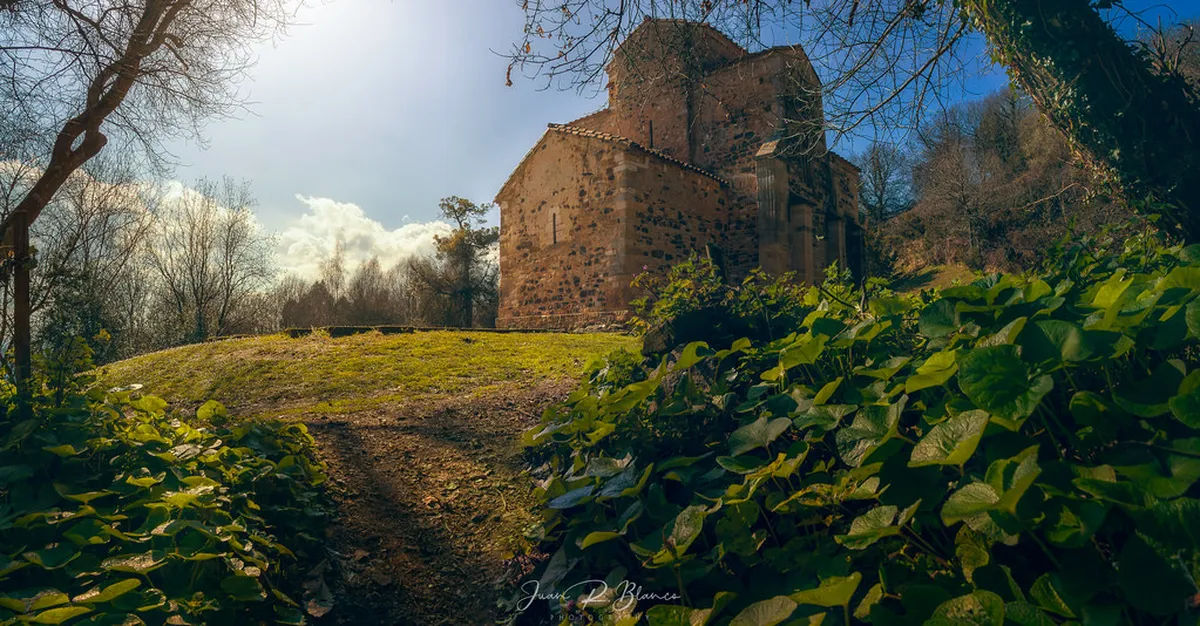
Table of Contents
Discover San Miguel de Lillo: A Pre-Romanesque Masterpiece
Oviedo, Spain, hides many historical treasures. Among them stands San Miguel de Lillo, a true architectural marvel. This ancient church offers a glimpse into early Asturian art. It is a vital part of Oviedo's rich heritage.
Built in the 9th century, San Miguel de Lillo is a UNESCO World Heritage site. Its unique design predates Romanesque architecture. Discover why this structure draws visitors worldwide. Learn about its enduring historical significance.
This guide will help you plan your perfect visit to San Miguel de Lillo. Explore its intricate details and surrounding monuments. Get ready for an unforgettable journey into ancient Spain. Delve into Oviedo's Pre-Romanesque monuments.
The Enduring History of San Miguel de Lillo
King Ramiro I commissioned San Miguel de Lillo. It began construction around 848 AD. This church served as a palace chapel for the king. It stood proudly on Mount Naranco near Oviedo.
Originally, the church was much larger than today. An unfortunate collapse in the 13th century destroyed most of it. Only the western vestibule and the first bay of the naves remain. This surviving section tells a powerful story.
Despite its reduced size, San Miguel de Lillo holds immense importance. Its unique structure is a testament to Asturian craftsmanship. It received UNESCO World Heritage status in 1985. This recognition highlights its global cultural value. Learn more about the history of San Miguel de Lillo.
Understanding its past enriches your visit. Imagine the grand palace that once surrounded it. The church offers a tangible link to a bygone era. It represents a critical period in Spanish history.
Architectural Marvels of San Miguel de Lillo
San Miguel de Lillo showcases distinctive Pre-Romanesque features. Its tall, narrow proportions are instantly recognizable. The church's design marked an innovative approach. It truly stands apart from later styles.
Visitors marvel at the intricate stone carvings. Detailed reliefs adorn its door jambs and windows. These depict various scenes, including an imperial hunt. They offer insights into early medieval artistry.
The interior boasts interesting structural elements. Barrel vaults support the roof. Slender columns with decorative capitals add elegance. These architectural choices highlight its advanced construction techniques. Explore more religious architecture in Oviedo.
Look closely at the window lattices; they are truly unique. They feature elaborate geometric and plant motifs. The surviving frescoes provide a hint of its original decoration. San Miguel de Lillo remains an artistic and architectural gem.
Planning Your Visit to San Miguel de Lillo in 2025
San Miguel de Lillo is easily accessible from Oviedo city center. It sits just a few kilometers uphill. You can drive, take a bus, or even enjoy a scenic walk. The local bus service provides regular connections.
The church typically opens daily, but hours vary by season. Check the official website for 2025 schedules before your visit. Admission usually costs a small fee. This fee helps fund ongoing conservation efforts.
Consider visiting during the spring or fall. The weather is pleasant, and crowds are smaller. This allows for a more tranquil experience. You can truly soak in the atmosphere. Discover the best time to visit San Miguel and other sites.
Guided tours are often available on site. These tours offer deeper insights into its history and architecture. Wear comfortable shoes, especially if walking. The path to the church is moderately steep but rewarding.
Exploring Oviedo's Pre-Romanesque Treasures Nearby
🌟 Local Expert Tip: Get the most out of your Oviedo visit with guided tours!
San Miguel de Lillo is part of a larger complex. Right next door is the stunning Santa María del Naranco. This former palace also dates from King Ramiro I's reign. It offers a complementary architectural experience.
A combined visit to both sites is highly recommended. They share similar stylistic elements and historical roots. Allow at least two to three hours to explore them thoroughly. Both are UNESCO World Heritage sites.
Oviedo city center hosts more Pre-Romanesque wonders. The Church of San Julián de los Prados is another significant example. It features impressive frescoes and a basilica plan. This church is located closer to the city center.
Don't miss La Foncalada, an ancient public fountain. It's a rare example of Pre-Romanesque civil engineering. This fountain is also a UNESCO site. Combining these sites creates a comprehensive tour of early Asturian art.
Conservation Efforts and Future of the Site
Preserving San Miguel de Lillo is a continuous effort. Its age and delicate structure require constant attention. Climate and natural erosion pose ongoing challenges. Expert teams work tirelessly to protect it.
UNESCO status helps attract funding and expertise. Regular maintenance ensures its long-term survival. These efforts safeguard its intricate carvings and ancient walls. Future generations will still appreciate its beauty.
Visitors play a vital role in its preservation too. Following site rules helps protect the monument. Respecting its historical value ensures its longevity. Every visit contributes to its ongoing care.
Research continues into its construction techniques and history. New discoveries enhance our understanding of this period. San Miguel de Lillo stands as a living museum. It constantly reveals more about its past.
Frequently Asked Questions
What is the best way to get to San Miguel de Lillo from Oviedo city center?
The most convenient way is by local bus. Bus Line A from Oviedo city center goes directly to the Naranco area. The journey is short, typically less than 15 minutes. Taxis are also readily available for a quick ride.
Alternatively, a pleasant walk takes about 45-60 minutes uphill. It offers scenic views of Oviedo and the surrounding landscape. Ensure you wear comfortable shoes for the walk. Consider exploring the Oviedo architecture walking tour.
Are there guided tours available for San Miguel de Lillo?
Yes, guided tours are often available at the site. These tours provide valuable historical context. They also highlight intricate architectural details. Check at the entrance for available tour times and languages.
Booking in advance may be possible, especially during peak season. Small group tours offer a more personalized experience. These tours enhance your understanding of this significant landmark.
What other Pre-Romanesque sites should I see near San Miguel de Lillo?
Immediately adjacent to San Miguel de Lillo is Santa María del Naranco. This former royal residence is equally impressive. Both sites are part of the same UNESCO designation.
In Oviedo city, visit San Julián de los Prados, a large basilica. Don't forget La Foncalada, a unique Pre-Romanesque fountain. These sites complete your journey through Asturian history.
San Miguel de Lillo offers an unparalleled historical experience. It stands as a testament to early Asturian artistry. This UNESCO site is a must-see for any visitor to Oviedo. Its enduring legacy enriches Spain's cultural fabric.
Plan your visit to this magnificent monument in 2025. Explore its unique architecture and fascinating history. Discover the rich heritage waiting for you. Begin your journey into Oviedo's architectural guide today.
Key Takeaways
- San Miguel de Lillo is a UNESCO World Heritage site, a rare example of Asturian Pre-Romanesque architecture.
- The church was originally a palace chapel built by King Ramiro I around 848 AD; only a portion remains today.
- Combine your visit with the nearby Santa María del Naranco and other Pre-Romanesque sites in Oviedo for a comprehensive experience.