
Discover the Rich History of San Miguel de Lillo in Oviedo
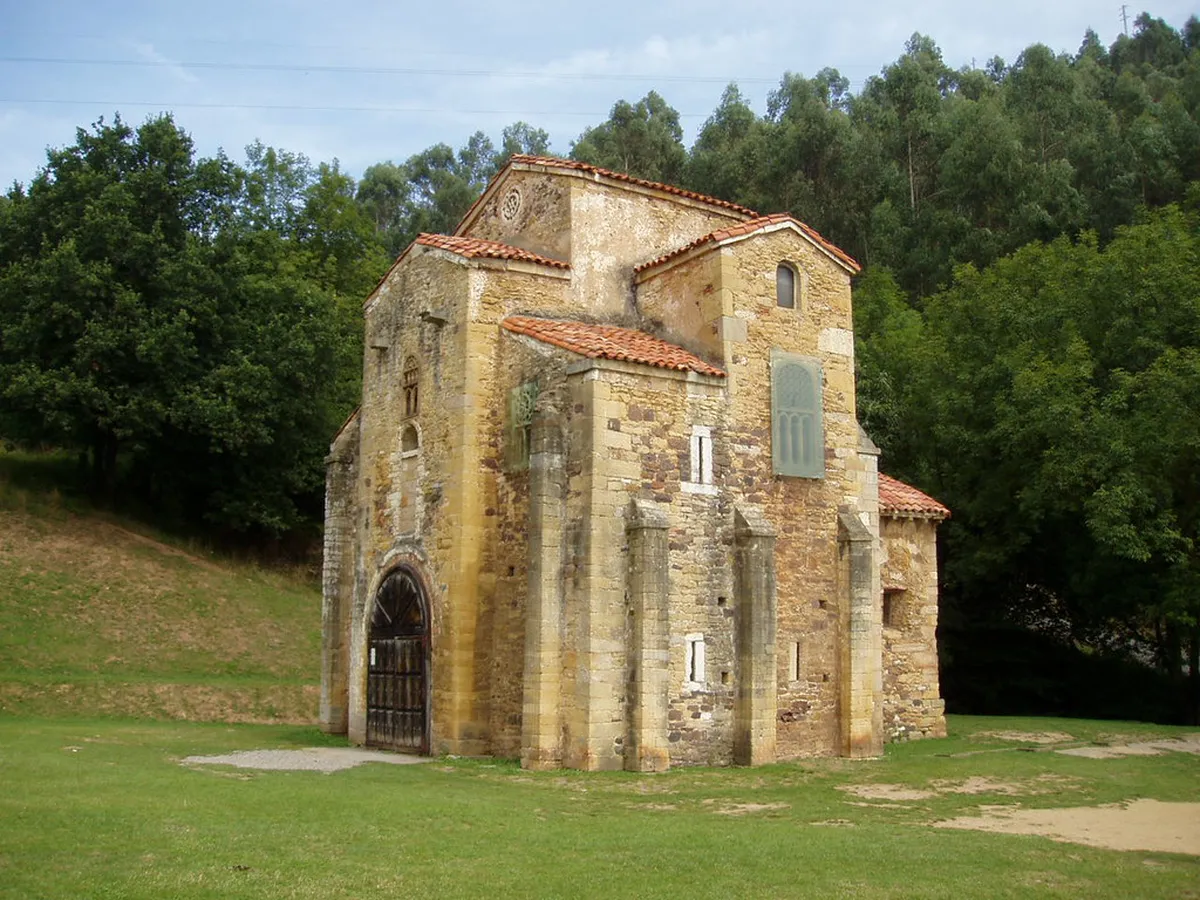
Table of Contents
Explore San Miguel de Lillo: A Pre-Romanesque Gem in Spain
Oviedo, Spain, proudly hosts the extraordinary San Miguel de Lillo. This ancient church offers a captivating glimpse into Asturian history. It stands as a testament to early medieval artistry.
Its unique pre-Romanesque architecture draws visitors worldwide. Exploring its past reveals a kingdom's ambition. This guide delves into the profound history of San Miguel de Lillo.
You will uncover its royal connections and architectural significance. Prepare to journey through centuries of Asturian heritage. Plan your immersive visit for 2025.
The Royal Foundations of San Miguel de Lillo
King Ramiro I commissioned San Miguel de Lillo in the 9th century. He intended it as a palace church for his residence. This structure was part of a larger royal complex. His reign marked a significant period for Asturian art.
Construction began around 842 AD. It stood proudly on Mount Naranco, overlooking Oviedo. The church reflected the king's power and religious devotion. It served as a chapel for the nearby royal palace.
Sadly, only a third of the original church remains today. A significant collapse in the 13th century altered its form. Despite this, its surviving elements are invaluable. They offer insights into its initial grandeur.
San Miguel de Lillo forms part of a complex of pre-Romanesque monuments. These sites are recognized globally. UNESCO declared them World Heritage Sites. This highlights their immense historical importance.
Architectural Innovations and Design of San Miguel de Lillo
San Miguel de Lillo showcases distinctive pre-Romanesque features. It originally boasted a basilica plan with five naves. Only the narthex and the first bay now survive. Its verticality and slender forms are notable.
The church's design marked a departure from earlier styles. It used barrel vaulting throughout its structure. External buttresses supported these heavy vaults. This innovative approach allowed for greater height.
Intricate sculptural details adorn the interior. Visitors can admire relief carvings on doorjambs. These depict circus scenes and gladiators. Such imagery offers a rare glimpse into 9th-century Asturian culture.
The windows feature remarkable latticework. This stonework allows light to filter in beautifully. It creates an ethereal atmosphere within. Discover more about Oviedo's architectural heritage.
Original frescoes might have covered the interior walls. Fragments of these paintings have been found. They suggest a richly decorated space. This adds to the church's artistic legacy.
San Miguel de Lillo Through the Centuries and Its Restoration
The history of San Miguel de Lillo involves challenges and resilience. A major collapse occurred in the 13th century. This event reduced the church to its current dimensions. The cause was likely structural weakness or seismic activity.
The remaining structure was carefully preserved. Local communities revered it as a sacred space. Throughout the centuries, it continued to function as a church. Its importance endured despite the physical changes.
Modern restoration efforts have focused on stability and conservation. Experts work to protect the delicate stonework. They ensure the building’s longevity for future generations. These projects follow strict archaeological guidelines.
Ongoing maintenance is crucial for this ancient monument. Visitors in 2025 will see evidence of this dedication. It helps us appreciate its long journey. Learn about other historical building restoration projects in the region.
Planning Your Visit to San Miguel de Lillo in 2025
💡 Pro Tip: Book your Oviedo adventures in advance through Viator for the best deals!
San Miguel de Lillo is easily accessible from Oviedo city center. It sits on the slopes of Mount Naranco. A short bus ride or a pleasant hike will take you there. The views of Oviedo are stunning from this elevation.
The church is typically open for visitors year-round. Operating hours can vary seasonally. Always check official websites for the most current information. Expect opening times around 9:30 AM to 5:00 PM in peak season.
Admission fees are usually modest, around 3-4 euros per person. It is often combined with a ticket for Santa María del Naranco. This neighboring site is just a few steps away. Both offer incredible historical insights.
Consider visiting during spring or autumn for pleasant weather. These seasons offer fewer crowds and comfortable temperatures. You can find more details on the best time to visit San Miguel. Guided tours are often available. They provide deeper historical context.
Remember to wear comfortable shoes for walking. Photography inside the church is often restricted. Respect the sacred nature of the site during your visit. Enjoy this unparalleled historical experience.
Frequently Asked Questions
What is San Miguel de Lillo famous for?
San Miguel de Lillo is famous for its exceptional pre-Romanesque architecture. It dates back to the 9th century and King Ramiro I's reign. It is a UNESCO World Heritage Site in Oviedo. The church showcases unique sculptural details and innovative vaulting.
How much does it cost to visit San Miguel de Lillo in 2025?
As of 2025, the admission fee for San Miguel de Lillo is typically around 3-4 euros. This ticket often includes entry to Santa María del Naranco. Always verify current prices and opening hours online. You can plan your visit effectively this way.
What happened to San Miguel de Lillo's original structure?
A major structural collapse in the 13th century significantly altered the church. Only the western third of the original building survived this event. This includes the narthex and the first bay. The original design was a five-nave basilica. Learn more about religious architecture in the region.
The history of San Miguel de Lillo is a journey through time. It reveals Asturian kingdom's artistic and architectural prowess. This UNESCO World Heritage Site stands as a beacon of early medieval Spain. Its unique design continues to captivate visitors.
Do not miss the chance to explore this ancient wonder. Plan your visit to Oviedo in 2025. Immerse yourself in the rich tapestry of its past. Consider a full Oviedo architecture walking tour.
Key Takeaways
⭐ Recommendation: Don't miss out on amazing Oviedo tours - book now!
- San Miguel de Lillo is a 9th-century pre-Romanesque church commissioned by King Ramiro I.
- Only a third of the original structure remains due to a 13th-century collapse, but it is a UNESCO site.
- Visit in spring or autumn for comfortable weather and fewer crowds; tickets are usually affordable.