
English Cemetery Málaga Architecture Guide 2025
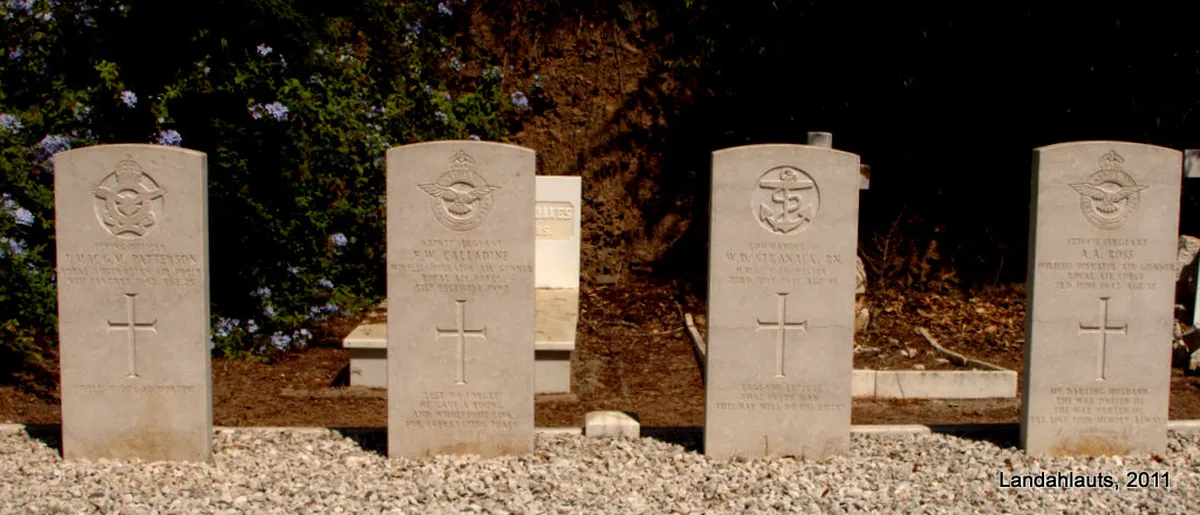
Table of Contents
Exploring English Cemetery Málaga Architecture
Málaga, a city rich in history, offers diverse architectural wonders. The English Cemetery stands as a unique testament to this variety. It provides a peaceful escape with fascinating architectural details in Málaga. This guide explores the distinct English Cemetery Málaga architecture. You will discover its blend of styles and historical significance.
Established in the 19th century, it is Spain's first Protestant cemetery. Its design differs greatly from traditional Spanish burial grounds. Prepare to uncover a hidden gem. This site reflects foreign influences within Andalusia's vibrant culture.
The English Cemetery: A Historical Overview
The English Cemetery holds a unique place in Málaga's history. It was founded in 1831 for non-Catholic foreign residents. Before this, Protestants faced burial challenges in Catholic Spain. This ground provided a dignified final resting place.
General William Mark, British Consul, secured the land. He envisioned a beautiful garden cemetery for his countrymen. This initiative marked a significant step. It reflected growing foreign presence and cultural shifts in Málaga.
Many notable figures found their peace here. These include writers, sailors, and engineers. Their stories connect Málaga to the broader European context. The cemetery serves as a vital historical record. It highlights Malaga's past international connections.
In 2025, it remains a cherished historical site. It represents a poignant chapter. Visitors can reflect on its tranquil atmosphere. The site is truly a hidden architectural gem.
Diverse Architectural Styles of the Cemetery
The English Cemetery Málaga architecture showcases a fascinating mix. You will find influences from various periods. These reflect the diverse origins of those buried there. The styles create a distinct atmosphere.
Neoclassical elements are quite prominent. Many tombs feature classical columns and pediments. You can observe Roman and Greek motifs. These details evoke a sense of timeless elegance. Explore these neoclassical buildings within the cemetery.
Gothic revival elements also appear, particularly in the chapel. Pointed arches and intricate carvings are visible. This style adds a dramatic, romantic flair. It contrasts beautifully with other monument designs.
You might even spot Egyptian revival influences. Obelisks and sphinxes sometimes adorn grave markers. This blend of styles makes every turn interesting. The cemetery truly offers a global architectural journey. Visitors will appreciate its unique aesthetic.
Key Monuments and Their Unique Designs
Many individual monuments contribute to the cemetery’s charm. Each tells a story through its design. Look closely at the intricate carvings and symbolism. These details reveal much about the deceased.
One notable structure is the tomb of Robert Boyd. It features an impressive classical design. Its grandeur reflects his significance. This monument is a prime example of fine architectural details.
Other graves exhibit simpler, yet poignant designs. Some feature Celtic crosses, unique to British and Irish traditions. Others have simple ledger stones. Each monument is a piece of art.
The overall layout follows a 'garden cemetery' concept. This differs from traditional crowded churchyards. Paths wind through lush vegetation. It creates a serene and contemplative space. Consider these design choices on your Málaga architecture walking tour.
The Gothic Chapel: A Central Architectural Gem
⭐ Recommendation: Don't miss out on amazing Madrid tours - book now!
The cemetery's Gothic chapel is a true architectural highlight. Its construction began in 1891. George Ernest Street, a renowned British architect, designed it. This chapel serves as a focal point within the grounds.
The chapel features characteristic Gothic revival elements. You will see pointed arches and stained-glass windows. These details create a spiritual and solemn ambiance. The Gothic style of the cemetery chapel is striking. It stands out among the other monuments.
Inside, the space is intimate and reflective. Light filters through colored glass. This adds to the chapel's mystical feel. It is a beautiful example of 19th-century religious architecture. Take time to appreciate its peaceful interior.
The chapel is still used for services and events. It connects past and present. Its enduring beauty makes it a must-see. This structure truly embodies the spirit of the cemetery.
Planning Your Visit to this Historic Site (2025)
Visiting the English Cemetery in 2025 offers a unique cultural experience. It is easily accessible from central Málaga. The address is Avenida de Pries, 1, 29016 Málaga. It's a short walk from La Malagueta beach.
Opening Hours: The cemetery is generally open Monday to Friday from 10:00 AM to 2:00 PM. Check their official website for current weekend hours. Always confirm before your visit.
Admission Cost: There is a small entrance fee. This contribution helps with the cemetery's maintenance. Expect to pay around 4-5 euros per person. Children usually enter for free.
Allow at least one to two hours to explore thoroughly. Wear comfortable shoes for walking. You can also visit the adjacent St. George's Church. This adds to the religious architecture in Málaga experience. Remember to respect the tranquil environment during your visit.
Frequently Asked Questions
What architectural styles can be found at the English Cemetery in Málaga?
The English Cemetery displays a fascinating mix of architectural styles. You will primarily see Neoclassical and Gothic Revival elements. There are also occasional Roman and Egyptian influences. This variety reflects the diverse backgrounds of its residents. It's a truly unique site for exploring the monuments.
Who established the English Cemetery and why?
British Consul William Mark established the cemetery in 1831. He did so to provide a proper burial ground. At that time, non-Catholics lacked dignified burial options in Spain. It was a crucial step for Málaga's foreign community. This site holds significant historical importance.
Are there any famous people buried in the English Cemetery?
Yes, many notable individuals rest here. These include Robert Boyd, a Scottish liberal. Others include various writers, sailors, and engineers. Their stories connect to Málaga's international past. Discover these historical figures during your visit. The cemetery offers insight into global connections.
The English Cemetery in Málaga offers a profound architectural journey. Its blend of Neoclassical, Gothic, and other styles is truly unique. It stands as a peaceful oasis and a historical monument. Plan your visit in 2025 to appreciate its tranquil beauty.
This site is more than just a cemetery. It is a testament to cultural exchange and history. Explore its serene paths and distinctive monuments. You will gain a deeper understanding of Málaga's architectural heritage. Do not miss this remarkable destination.
Key Takeaways
🎯 Insider Tip: Discover the best Madrid experiences with Viator Tours!
- Discover a unique blend of Neoclassical, Gothic, and other architectural styles.
- Learn about the cemetery's historical significance for Málaga's foreign community.
- Plan your 2025 visit during morning hours to explore the tranquil grounds fully.