
Almudena Cathedral: Unique Madrid Architecture Explored
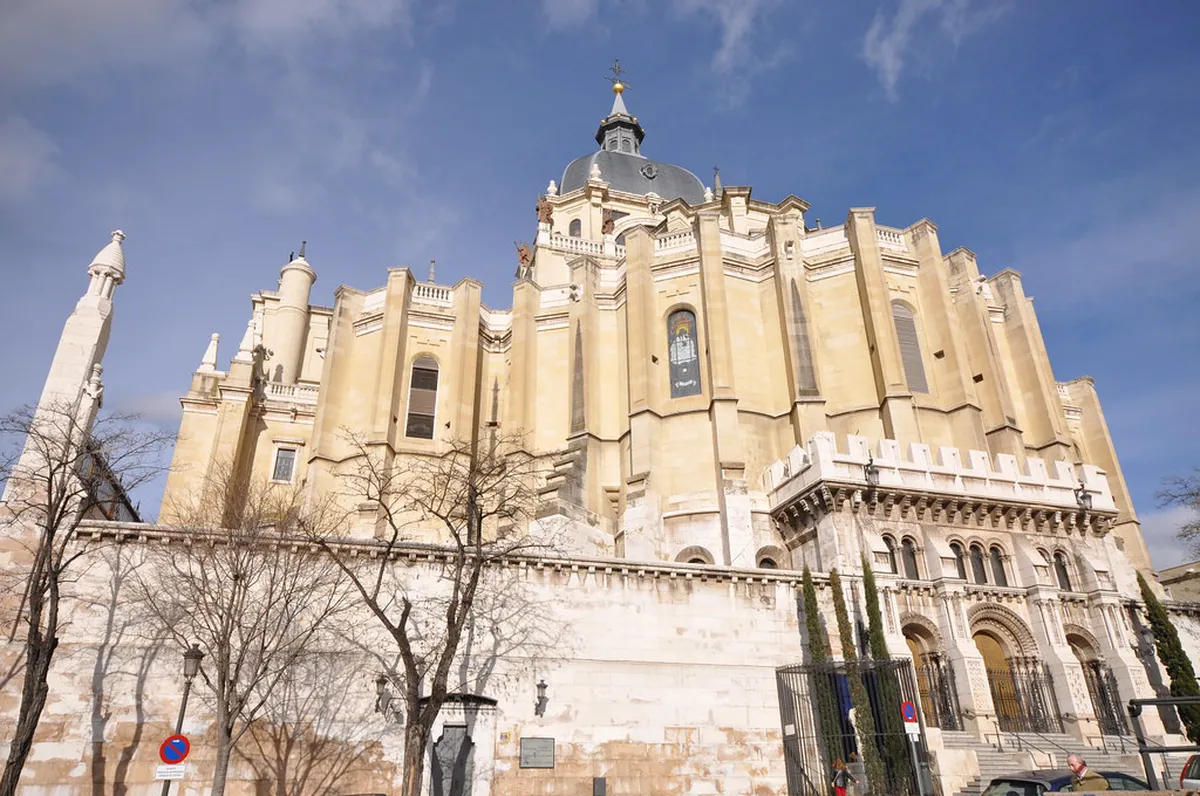
Table of Contents
Unraveling the Unique Almudena Cathedral Architecture
Madrid boasts many architectural wonders. Yet, the Almudena Cathedral architecture stands out. Its unique design captivates every visitor. This majestic structure blends different historical styles seamlessly.
Understanding its unique appeal reveals much about Madrid’s past. From its inception, the cathedral faced challenges. Learn more about the diverse architectural landscape of Madrid. Explore the rich Almudena Cathedral design in detail.
A Fusion of Styles: Neo-Gothic to Neo-Classical
Almudena Cathedral presents an extraordinary architectural mix. Its exterior showcases a grand Neo-Classical style. This elegant facade harmonizes with the Royal Palace nearby. Inside, however, a different story unfolds.
The interior surprises with its striking Neo-Gothic design. Tall arches and intricate stained glass define this space. This blend creates a fascinating contrast. It makes the Almudena Cathedral architecture truly unique.
Construction spanned over a century, influencing its varied appearance. Different architects contributed over time. Each era left its distinct mark. This long process resulted in an eclectic architectural style. The blend is a testament to its long history.
The Exterior: Neo-Classical Grandeur
The exterior of Almudena Cathedral faces the Royal Palace. It features a stunning Neo-Classical façade. This style ensures it complements its regal neighbor. The grand dome and twin towers are particularly impressive.
Architect Francisco de Cubas initially envisioned a Neo-Gothic design. Later architects altered this plan significantly. They adopted the Neo-Classical approach for the exterior. This decision aligned with the surrounding Neoclassical buildings in Madrid. It also respected the nearby Royal Palace architecture.
The main entrance boasts ornate detailing. Large columns and sculptures adorn the facade. Visitors often marvel at its sheer scale. This exterior finish was completed in the mid-20th century. It offers a majestic welcome to all who visit.
The Interior: A Neo-Gothic Revelation
Stepping inside reveals a dramatically different world. The Almudena Cathedral interior is distinctly Neo-Gothic. Soaring ribbed vaults draw the eye upwards. Sunlight filters through vibrant stained-glass windows.
Despite its Neo-Gothic structure, modern art also features prominently. Contemporary artists designed many of the stained-glass windows. These modern elements offer another layer of uniqueness. They present a bold contrast with traditional Gothic forms.
The crypt, however, holds a Neo-Romanesque style. This older design phase reflects earlier construction plans. It provides another historical layer to the cathedral. Explore the diverse mix of styles in Almudena Cathedral. This makes the Almudena Cathedral architecture incredibly rich.
Historical Context and Construction Journey
💡 Pro Tip: Book your Madrid adventures in advance through Viator for the best deals!
The idea for a cathedral in Madrid began in the 16th century. Construction, however, only truly started in 1883. It took over 100 years to complete this monumental project. This extended timeline explains its varied architectural styles.
Funding issues and political changes caused many delays. World wars also impacted its progress significantly. Each interruption brought new architects and evolving visions. This complex history directly shaped the Almudena Cathedral's final design. It became a living testament to Madrid's history.
The cathedral was finally consecrated in 1993 by Pope John Paul II. This event marked its official completion. It stands as a symbol of Madrid's resilience. The finished structure became a blend of many eras.
Frequently Asked Questions
What makes Almudena Cathedral's architecture truly unique?
Almudena Cathedral is unique due to its architectural fusion. It boasts a Neo-Classical exterior. This exterior harmonizes with the nearby Royal Palace. Inside, it features a grand Neo-Gothic design.
Moreover, the crypt below is designed in a Neo-Romanesque style. This triple blend of styles is very unusual for a single building. It reflects a long and complex construction history. This makes the Almudena Cathedral design distinct.
When was Almudena Cathedral built, and by whom?
Construction of Almudena Cathedral officially began in 1883. Francisco de Cubas was the original architect. However, many architects contributed over more than a century. The cathedral was finally consecrated in 1993.
This extended construction period allowed for stylistic changes. Different architectural visions shaped its progress. It stands as a monumental work. Its unique design is a testament to many hands and minds. Find more about famous churches in Madrid.
Can visitors explore the different architectural styles within the cathedral?
Yes, visitors can easily explore the distinct styles. The main nave showcases the Neo-Gothic interior. The crypt reveals the older Neo-Romanesque elements. Meanwhile, the exterior clearly presents Neo-Classical grandeur.
Admission to the cathedral is generally free. There is a small fee to visit the crypt and the museum. Check visiting hours for landmarks before your trip. This allows you to fully appreciate the unique Almudena Cathedral architecture in 2025.
The Almudena Cathedral architecture stands as a testament to Madrid's history. Its incredible blend of Neo-Gothic, Neo-Classical, and Neo-Romanesque styles makes it truly unique. This architectural marvel offers a journey through time and design. It is a must-see for any visitor.
Plan your visit to fully appreciate its grandeur. Discover more about Madrid's Royal Palace architecture nearby. Further explore Almudena Cathedral's unique design details.
Key Takeaways
- Almudena Cathedral features a rare blend of Neo-Gothic, Neo-Classical, and Neo-Romanesque styles.
- Its long construction period (over a century) led to its diverse architectural character.
- Visitors can explore these distinct styles within the interior, exterior, and crypt areas.