
Almudena Cathedral Design: Madrid's Architectural Blend
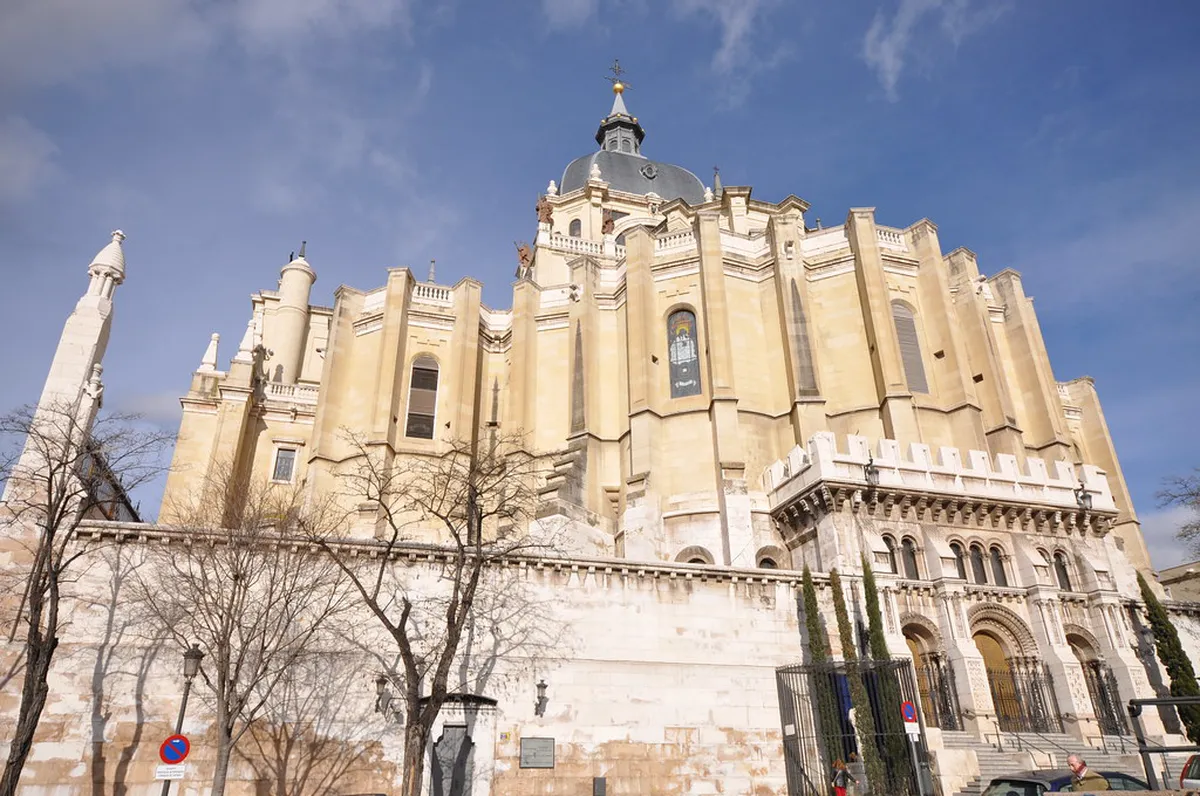
Table of Contents
Unraveling the Almudena Cathedral Design in Madrid
Madrid boasts many incredible architectural treasures. The Almudena Cathedral stands out prominently among them. Its unique Almudena Cathedral design reflects centuries of history. This guide explores its fascinating blend of styles. Learn why this cathedral captivates visitors in 2025. Discover more about Madrid's diverse architecture.
Construction of the Almudena Cathedral spanned over a century. It combines various architectural periods. This makes it unlike other cathedrals across Spain. Prepare to be amazed by its complex beauty. Explore other famous churches in Madrid during your trip.
A Century of Construction: The Almudena Cathedral Design Journey
The Almudena Cathedral's construction began in 1883. King Alfonso XII laid the first stone. Architect Francisco de Cubas led the initial plans. He envisioned a cathedral primarily in the Gothic Revival style.
Work paused for many years during the Spanish Civil War. Funding issues also slowed progress significantly. The original Gothic plans proved costly and complex. This long delay allowed for design changes.
Later architects adapted the original vision. Fernando Chueca Goitia took over in 1950. He shifted the main facade to a Neoclassical style. This change helped it harmonize with the adjacent Royal Palace. This decision shaped the distinctive Almudena Cathedral design.
The cathedral was finally consecrated by Pope John Paul II in 1993. It stands as a testament to persistence. Its blended styles tell a unique story. This long process makes its architecture truly special. Visit and witness this journey firsthand.
The Blended Architectural Styles of Almudena Cathedral
The Almudena Cathedral design showcases a remarkable mix of styles. You will find Neoclassical, Gothic, and Neo-Romanesque elements. This eclecticism sets it apart from other cathedrals. It's truly a building of many eras. Explore more about eclectic architecture in Madrid.
The exterior features a grand Neoclassical facade. This side faces the Royal Palace. It has a stately and imposing appearance. The design matches the surrounding Hapsburg quarter. Discover more about Neoclassical buildings in Madrid.
However, the main body of the cathedral is Neo-Gothic. You will notice its pointed arches and ribbed vaults. This Gothic Revival influence is very prominent. It harks back to medieval cathedral traditions.
Below the main sanctuary is a beautiful crypt. This area reflects a Neo-Romanesque style. Its sturdy columns and rounded arches are distinctive. This underground chapel offers a serene contrast. The crypt houses tombs of Madrid's bishops.
This combination makes for an intriguing visit. Each section offers a different architectural experience. This unique blend makes the Almudena Cathedral design so captivating. It truly embodies a mix of styles in Almudena Cathedral.
Exploring the Exterior and Interior Features
The exterior of Almudena Cathedral is instantly recognizable. Its Neoclassical facade boasts two impressive towers. Statues of saints adorn the main entrance. Look for the figures of Saints Isidro and Maria de la Cabeza. They watch over the city of Madrid.
The dome of the cathedral stands out vividly. It is quite a modern addition. Colorful tiles cover its surface. The dome provides a stunning visual contrast. It offers beautiful views from higher points around the city.
Inside, the cathedral’s Gothic Revival structure is clear. The nave is vast and soaring. Stained-glass windows cast colorful light. These windows are notably modern. They feature vibrant, contemporary designs.
Visitors should also notice the chapels. Each chapel boasts unique art and decoration. Some are dedicated to various saints. Others house important religious artifacts. Pay attention to the intricate architectural details in Madrid.
The crypt below is a must-see. It has a different atmosphere entirely. Its Romanesque columns feel ancient and solemn. The crypt offers a peaceful escape. It is a striking part of the overall Almudena Cathedral design.
Practical Visitor Information for 2025
💡 Pro Tip: Book your Madrid adventures in advance through Viator for the best deals!
Visiting Almudena Cathedral is a rewarding experience. It is located right next to the Royal Palace. This central location makes it easy to access. You can find it at Calle de Bailén, 10. The cathedral opens daily.
General admission to the cathedral is free. However, a small donation is suggested. This helps with the upkeep of this grand structure. There is an entrance fee for the museum and the dome. The museum ticket usually costs around €6-€7. This price may change in 2025.
The cathedral generally opens from 10:00 AM to 8:00 PM. Museum and crypt hours may vary slightly. Always check the official website for current timings. Plan at least 1-2 hours for your visit. You can find more visiting hours for Madrid landmarks.
Consider visiting in the morning to avoid crowds. Weekdays are generally less busy than weekends. Photography is usually allowed without flash. Be respectful during religious services. Dress modestly to honor the sacred space.
After your visit, explore the surrounding area. The Royal Palace is right next door. You can easily combine both visits. Enjoy a lovely walk through the adjacent gardens. You can also take a self-guided architecture tour of the area.
Frequently Asked Questions
What makes the Almudena Cathedral's architecture so unique?
The Almudena Cathedral's architecture is unique due to its blend of styles. It features a Neoclassical exterior and a Neo-Gothic interior. The crypt uses a Neo-Romanesque style. This mix results from its long construction period. Each phase incorporated different architectural trends. This diverse approach makes its architectural style truly unique.
What is the cost to enter Almudena Cathedral in 2025?
Entry to the main cathedral is usually free. A small donation is often encouraged. There is a fee for the museum and climbing the dome. This typically costs around €6-€7. Prices are subject to change for 2025. Always confirm the latest information before your visit. Learn more about nearby attractions like the Royal Palace.
How does the Almudena Cathedral connect to the Royal Palace?
The Almudena Cathedral stands directly opposite the Royal Palace. Its Neoclassical facade was designed to complement the palace. This visual harmony was a deliberate choice. A ceremonial bridge once linked them. This connection is key to the cathedral's design. It underscores their historical relationship. Both are significant landmarks. They showcase important periods of Bourbon dynasty architecture.
The Almudena Cathedral design is a true architectural marvel. It beautifully combines multiple historical styles. From its Neoclassical facade to its Gothic interior, it tells a rich story. This structure is a testament to Madrid's history. It continues to inspire architects and visitors alike. Plan your visit to this magnificent site. Explore more wonders on Architect Tourist for your next adventure.
Discover the beauty and complexity firsthand. The blend of eras makes it an essential stop. Remember to check opening hours for 2025. Its unique charm awaits your discovery. Don't miss this iconic Madrid landmark.
Key Takeaways
- Almudena Cathedral showcases Neoclassical, Gothic, and Neo-Romanesque styles.
- Its construction spanned over a century due to various challenges and design changes.
- Entry to the main cathedral is free, but the museum and dome have a small fee.
- The cathedral's facade was designed to harmonize with the nearby Royal Palace.