
Almudena Cathedral Styles: A Mix in Madrid's Icon
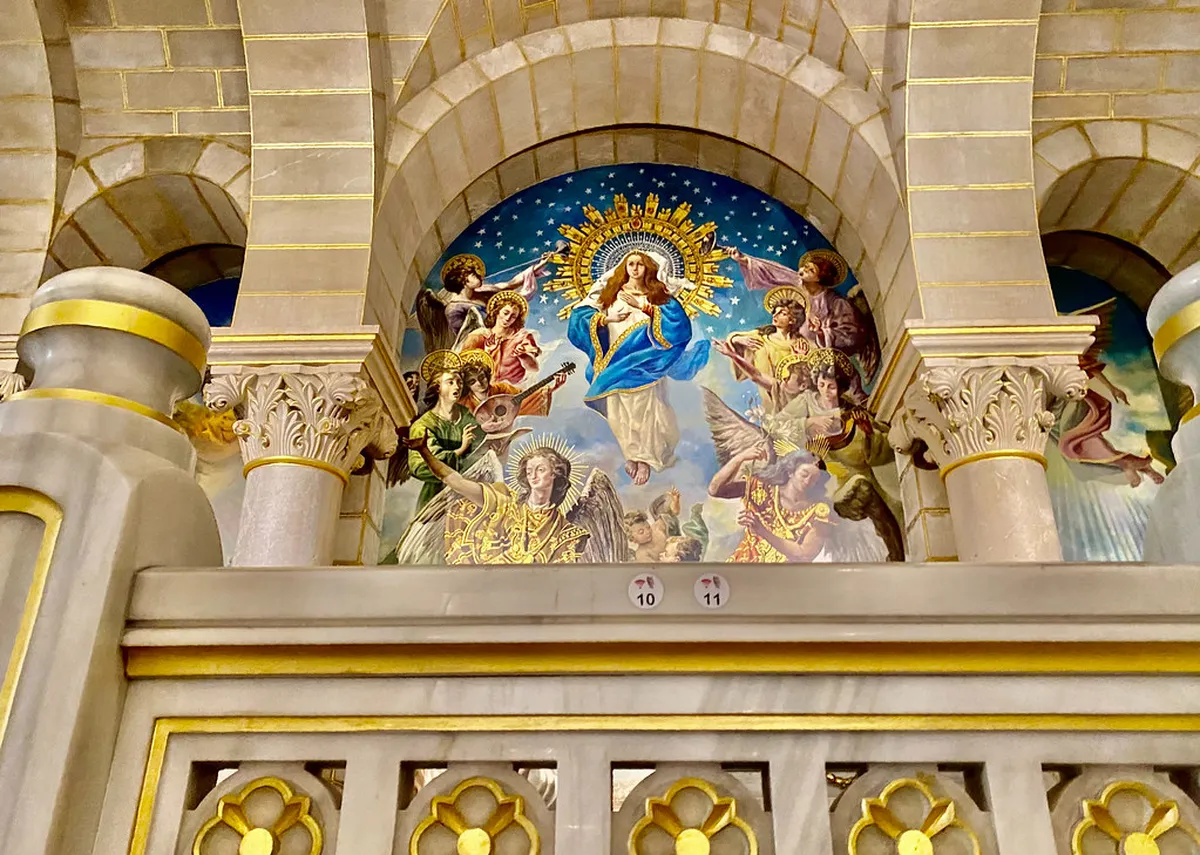
Table of Contents
Exploring the Diverse Architectural Styles of Almudena Cathedral
Madrid's Almudena Cathedral stands as a testament to diverse architectural visions. Its construction spanned over a century, resulting in a unique blend of styles. This magnificent structure reflects different historical periods. You can explore Almudena Cathedral's design from various angles. Get ready to uncover the rich history behind this iconic Madrid landmark.
Visitors often wonder about the unusual mix of styles here. The cathedral showcases Neo-Gothic, Neo-Romanesque, and Neoclassical elements. Each architectural period left its distinct mark on the building. Learn why Almudena Cathedral's architecture is so unique. It offers a fascinating journey through Spain's architectural past.
The Grand Neo-Gothic Exterior and Its Design
The exterior of Almudena Cathedral largely presents a Neo-Gothic style. This prominent design is visible in its towering spires and intricate facades. Construction began in the late 19th century. Architects drew inspiration from medieval cathedrals.
You can observe classic Gothic features like pointed arches and flying buttresses. These elements provide both structural support and aesthetic appeal. The main facade, however, incorporates different influences. It creates a harmonious yet complex visual narrative.
This Neo-Gothic approach aims to evoke a sense of grandeur. It connects the cathedral to European architectural traditions. The detailed carvings and statues tell biblical stories. Plan a visit in 2025 to appreciate these fine details. Explore more about Madrid's architecture guide.
Neo-Romanesque Roots: The Crypt's Enduring Appeal
Descend into the crypt of Almudena Cathedral for a striking contrast. Here, the architecture shifts dramatically to a Neo-Romanesque style. This robust and simpler design predates the main cathedral's construction. It represents an earlier phase of the project.
The crypt features thick pillars and rounded arches. These elements define the sturdy Romanesque aesthetic. It houses a large collection of graves, including many nobles. The atmosphere feels ancient and deeply spiritual.
Visitors can appreciate the solemn beauty of this underground space. It provides a historical foundation for the entire structure. The crypt’s design emphasizes strength and permanence. Discover other famous churches in Madrid with unique crypts. The contrast between crypt and cathedral is truly remarkable.
Neoclassical Influences on the Main Facade
While Neo-Gothic dominates, the main facade also features Neoclassical elements. This architectural choice aimed to harmonize with the neighboring Royal Palace. The palace itself is a magnificent example of Royal Palace architecture. Its proximity influenced the cathedral's external appearance.
Architect Fernando Chueca Goitia completed the facade. He carefully integrated classical proportions and symmetry. This blend ensures the cathedral complements its regal surroundings. It stands proudly alongside one of Madrid's most important buildings.
Look for the classical columns and pediments above the main entrance. These distinct features represent the Neoclassical style. It creates a unified architectural landscape in Plaza de la Armería. Learn more about Neoclassical buildings in Madrid. This thoughtful integration is a hallmark of Madrid's urban planning.
Vibrant Interiors: Modern Art and Colorful Details
💡 Pro Tip: Book your Madrid adventures in advance through Viator for the best deals!
Step inside Almudena Cathedral and prepare for another surprise. The interior design showcases a much more contemporary style. Vibrant stained-glass windows flood the space with light. These modern art pieces depict various religious scenes.
Unlike traditional, darker cathedral interiors, Almudena feels bright. The ceiling murals feature colorful geometric patterns and sacred images. These artworks were created by various Spanish artists. They provide a striking contrast to the exterior's historical styles.
This blend of old and new makes the cathedral truly distinctive. It offers a unique spiritual and artistic experience. The modern elements reflect the completion in the late 20th century. Consider an architecture tour to appreciate all its nuances. Visiting hours are usually from 10:00 AM to 8:30 PM in 2025.
Frequently Asked Questions
⭐ Recommendation: Don't miss out on amazing Madrid tours - book now!
Why does Almudena Cathedral have so many architectural styles?
Almudena Cathedral's construction took over a century to complete. Different architects and historical periods contributed to its design. Each phase brought new prevailing styles and influences. This long timeline resulted in its eclectic appearance.
The original plan evolved greatly over time. The proximity to the Royal Palace also influenced later design choices. This combination makes it a unique architectural study. Explore eclectic architecture in Madrid to see similar blends.
What are the main architectural periods represented in the cathedral?
The cathedral prominently features three main architectural styles. Its exterior is largely Neo-Gothic, inspired by medieval cathedrals. The crypt below exhibits a sturdy Neo-Romanesque design. Finally, the main facade incorporates Neoclassical elements. These different styles blend in a truly unique way.
Can visitors explore all parts of the Almudena Cathedral?
Yes, most parts of the cathedral are open to visitors. You can explore the main nave, side chapels, and the crypt. There is typically a small entrance fee for the museum and crypt. Check specific visiting hours for landmarks. The main cathedral area often allows free entry.
Almudena Cathedral truly stands as an architectural marvel in Madrid. Its rich mix of styles tells a century-long story. From Neo-Gothic grandeur to Romanesque foundations and Neoclassical touches, it offers endless discovery. The vibrant modern interior adds another layer of intrigue.
Experience this blend of history and art firsthand in 2025. It is a must-see for any architecture enthusiast visiting Spain. Plan your trip to this extraordinary landmark. Delve deeper into its design and history for an unforgettable experience.
Key Takeaways
🎯 Insider Tip: Discover the best Madrid experiences with Viator Tours!
- Almudena Cathedral blends Neo-Gothic, Neo-Romanesque, and Neoclassical styles.
- The crypt showcases robust Neo-Romanesque architecture, a stark contrast to the exterior.
- The main facade features Neoclassical elements to harmonize with the Royal Palace.