
CaixaForum Madrid Vertical Garden: A Green Oasis
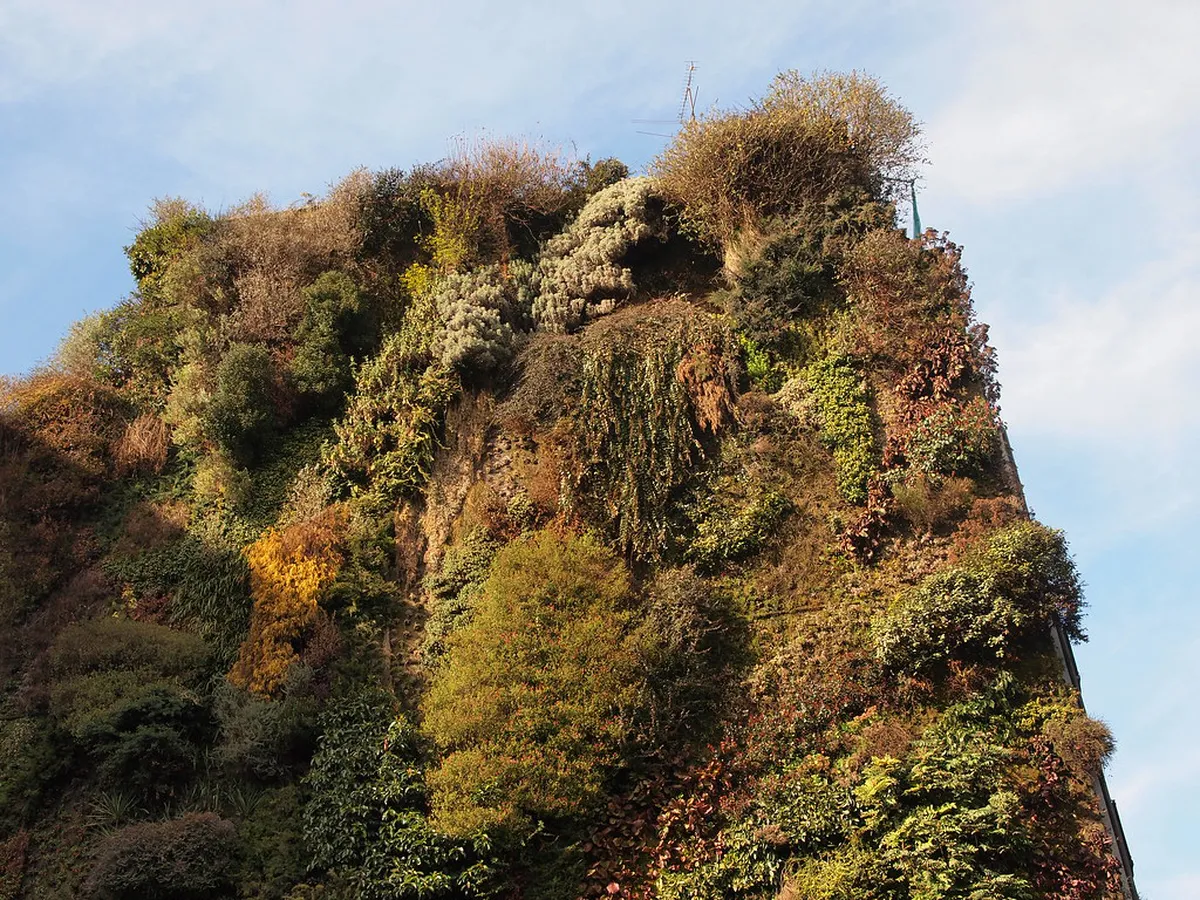
Table of Contents
Explore the Stunning Vertical Garden at CaixaForum Madrid
Madrid offers many architectural wonders. One truly stands out: The vertical garden at CaixaForum Madrid. This incredible living wall captivates all visitors. It showcases stunning botanical artistry. Explore this urban green masterpiece with us. You can find more unique designs in our Madrid Architecture Guide.
This guide will share everything you need. You'll learn about its design and ecological impact. Discover how to best enjoy this beautiful attraction. Plan your visit to this iconic Madrid landmark in 2025. Its innovative design truly enhances the city's appeal. For insights into the broader CaixaForum Madrid design, read on.
The Mastermind Behind Madrid's Living Wall
The vertical garden at CaixaForum Madrid is a masterpiece. It was created by French botanist Patrick Blanc. Blanc is world-renowned for his living walls. He transformed a blank facade into a vibrant ecosystem. His innovative designs merge art with nature.
Blanc's technique involves no soil. Plants grow on a felt-covered structure. This system delivers water and nutrients precisely. It allows for a wide variety of species. This method ensures the garden thrives year-round.
His work at CaixaForum is one of his most famous. It has inspired many similar projects globally. Blanc's vision brought a unique green space to Madrid. The garden truly redefines urban landscaping. Learn more about contemporary buildings in Madrid.
He carefully selected plants suited for Madrid's climate. The garden adapts to varying temperatures and light. This meticulous planning ensures its long-term health. It stands as a testament to sustainable urban design. It's a must-see for nature and architecture lovers.
A Symphony of Species: What You'll Discover
The vertical garden at CaixaForum Madrid boasts over 250 plant species. You will see more than 15,000 individual plants. This diverse collection creates a lush tapestry. Each season brings new colors and textures.
Ferns, mosses, and flowering plants coexist here. The variety includes native and exotic flora. This biodiversity supports local insect life. It truly functions as a small urban ecosystem. Consider capturing its beauty on a Madrid photography tour.
The garden reaches a height of 24 meters (79 feet). It covers a vast area of 460 square meters. The sheer scale is breathtaking upon first sight. Take time to observe the intricate details. You'll find new surprises with every glance.
Pro Tip: Visit during spring or early summer. Many plants are in full bloom then. The vibrant colors are especially striking. This offers the best visual experience. The garden changes wonderfully throughout the year.
Visiting the Vertical Garden: Practical Tips for 2025
The vertical garden at CaixaForum Madrid is free to enjoy. It is located at Paseo del Prado, 36. This prime location is easily accessible. It sits near other major attractions. You can combine your visit with nearby sights.
The garden is visible from the street. You do not need to enter CaixaForum. However, the cultural center offers much more. Check their website for current exhibitions and opening hours for 2025. More general visiting hours for landmarks can be found here.
Best Time to Visit: Mornings offer softer light for photos. Evenings create a dramatic backdrop against city lights. Weekdays generally have fewer crowds. Aim for these times for a more peaceful experience.
CaixaForum Madrid opens typically from 10:00 AM to 8:00 PM. Confirm these times before your visit. The vertical garden is always available. It provides a striking backdrop day and night. The surrounding Paseo del Prado buildings are also impressive.
Beyond Beauty: The Ecological Impact of Living Walls
💡 Pro Tip: Book your Madrid adventures in advance through Viator for the best deals!
The vertical garden at CaixaForum Madrid is more than just beautiful. It offers significant ecological benefits. These living walls improve urban air quality. Plants naturally filter pollutants from the air. They help create a healthier city environment.
They also contribute to urban cooling. The plants absorb sunlight, reducing heat reflection. This can lower ambient temperatures. Such features are crucial for city planning. It is an example of sustainable architecture in Madrid.
Furthermore, the garden promotes biodiversity. It provides habitat for small insects and birds. This green space supports local ecosystems. It brings nature back into the urban fabric. It truly embodies green urban planning principles.
CaixaForum Madrid stands as an example. It shows how design can be environmentally conscious. The vertical garden proves that green spaces are vital. They enhance both aesthetics and ecological balance. This design approach creates more livable cities.
CaixaForum Madrid: An Architectural Transformation
The vertical garden enhances CaixaForum Madrid's unique design. The building itself is a former power station. Herzog & de Meuron transformed it. They preserved its industrial heritage. The architects added modern elements.
The building appears to float above the ground. Its original brick facade remains intact. A new metallic roof adds a contemporary touch. This bold design contrasts beautifully with the garden. It is a true example of urban regeneration. Discover how an old power station became CaixaForum.
The vertical garden serves as a striking counterpoint. It softens the building's industrial edges. The combination creates a dialogue. It speaks of nature integrating with urban life. This blend makes CaixaForum a must-visit.
Inside, the cultural center hosts diverse events. Art exhibitions, concerts, and workshops take place. The exterior garden welcomes visitors warmly. It prepares them for the creativity inside. Plan your visit to this architectural gem.
Frequently Asked Questions
What is the vertical garden at CaixaForum Madrid?
The vertical garden at CaixaForum Madrid is a stunning living wall. It features over 15,000 plants across 250 species. French botanist Patrick Blanc designed this masterpiece. It serves as an iconic green facade. It's a major highlight on the Architect Tourist website.
Is there an entrance fee to see the CaixaForum vertical garden?
No, there is no entrance fee. The vertical garden is fully visible from the street. You can admire it any time. Accessing the CaixaForum cultural center inside may require a ticket for exhibitions. This makes it an ideal stop on a self-guided architecture tour.
Who designed the vertical garden at CaixaForum Madrid and when?
Patrick Blanc, a renowned French botanist, designed the garden. It was completed in 2008. The garden is an integral part of the CaixaForum renovation. Herzog & de Meuron led the overall building transformation. This blend of talents created a modern icon.
What are the environmental benefits of this living wall?
The living wall offers several environmental benefits. It improves air quality by filtering pollutants. It helps reduce urban heat island effects. The garden also promotes urban biodiversity. It creates a habitat for various small species. These benefits make it an example of sustainable urban design.
The vertical garden at CaixaForum Madrid truly enchants. It showcases the beauty of nature in an urban setting. Patrick Blanc's design is a testament to innovation. This living wall is a highlight of Madrid's cultural landscape. Don't miss this unique attraction.
Plan your 2025 visit to experience it firsthand. Immerse yourself in this vibrant green oasis. It offers inspiration and tranquility. Make sure to include it in your Madrid architecture map. This garden proves how nature and architecture can beautifully merge. Come discover its magic.
Key Takeaways
- The CaixaForum vertical garden is a free-to-view masterpiece by Patrick Blanc.
- It features over 15,000 plants, offering ecological benefits like air purification.
- Visit in 2025 during spring or morning hours for the best visual experience.