
CaixaForum Madrid Design: A Modern Architectural Marvel
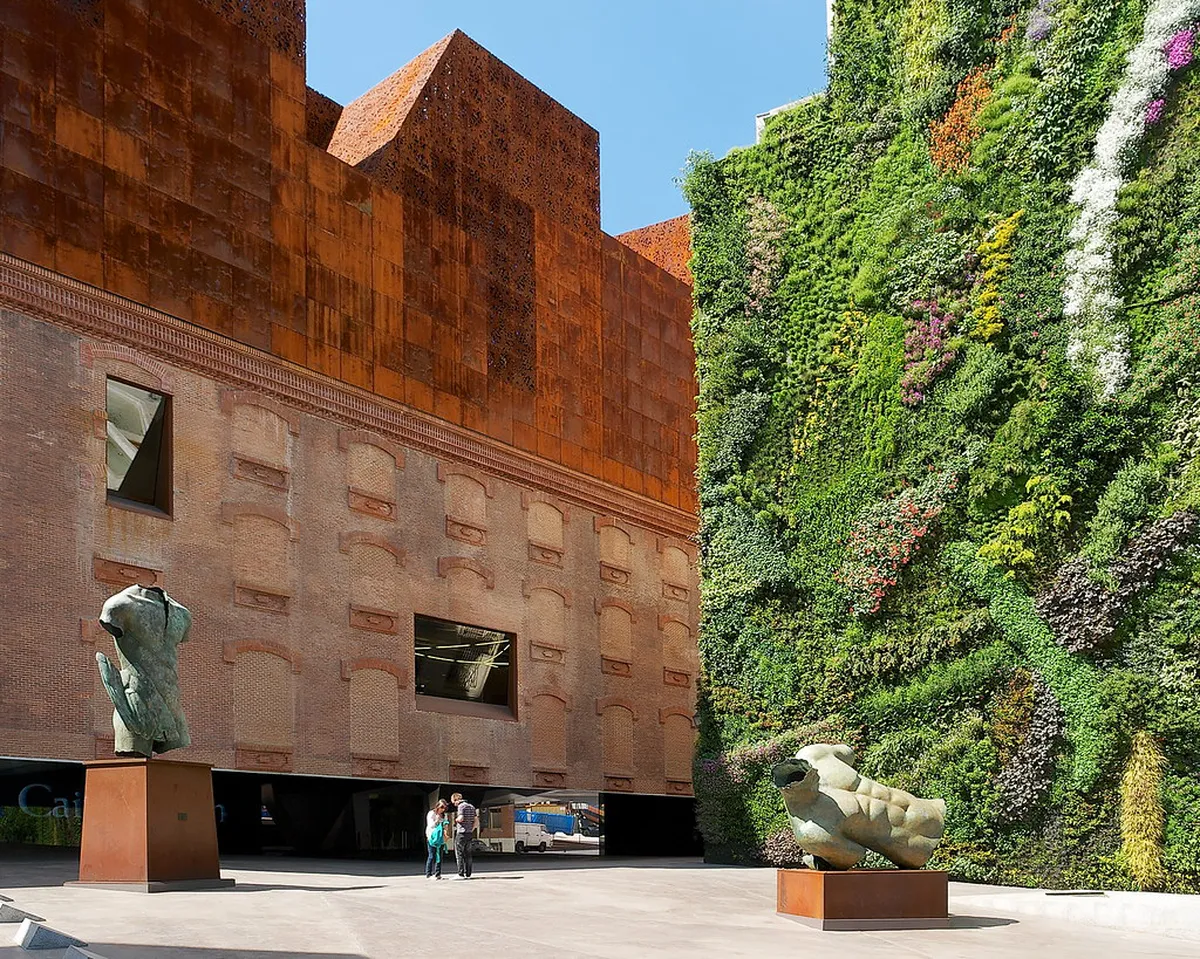
Table of Contents
Unveiling the CaixaForum Madrid Design Masterpiece
CaixaForum Madrid stands as a true architectural masterpiece. This vibrant cultural center transformed an old power station. Its innovative design attracts visitors from across the globe. You can find it right on Madrid's famous Paseo del Prado.
Swiss architects Herzog & de Meuron led its remarkable transformation in 2008. They created a contemporary landmark in the city. The distinctive CaixaForum Madrid design makes it an essential stop. Explore its unique features and fascinating history when you visit Madrid's architecture in 2025.
Herzog & de Meuron: Visionaries Behind the Design
Herzog & de Meuron are renowned for their bold architectural vision. Their work often redefines urban spaces. For CaixaForum Madrid, they approached the project with immense respect. They aimed to preserve the historic industrial essence of the building.
The architects are famous for their innovative use of materials. They also focus on creating engaging public interaction. Their design for CaixaForum Madrid seamlessly blends old and new. This approach is evident in many Herzog & de Meuron projects.
Their vision for the site was ambitious yet sensitive. They removed the stone plinth of the former power station. This created a new public plaza below the elevated structure. This bold move changed how the building connects with its surroundings.
They envisioned a cultural hub that felt open and accessible. The new design invites exploration and discovery. It acts as a gateway to Madrid's art and culture scene. This makes it a perfect example of contemporary Spanish architecture.
From Power Station to Cultural Hub: A Grand Transformation
The site of CaixaForum Madrid was once the Central Eléctrica del Mediodía. This old power station dated back to the early 20th century. Herzog & de Meuron saw its potential. They transformed an industrial relic into a vibrant cultural center.
The adaptive reuse of this building is truly remarkable. They retained the original brick façade. This important element pays homage to its industrial past. The contrast with new materials creates visual interest. You can learn more about how an old power station became CaixaForum.
The original brick structure was actually lifted. This created an open, covered plaza at ground level. This innovative move allows light and air to flow freely. It also offers a welcoming entrance to visitors.
This transformation revitalized a forgotten part of the city. It now serves as a dynamic space for art, exhibitions, and workshops. The building’s history is still palpable. Yet, its future is undeniably modern. It represents a successful blend of heritage and modernity.
Iconic Features: The Vertical Garden and Elevated Structure
Two features immediately define the CaixaForum Madrid design. These are its dramatic elevated structure and stunning vertical garden. The building appears to float above the street. This creates a striking visual effect. The unique design draws attention from passersby.
The elevation allowed for the creation of a new public space underneath. This covered plaza offers shade and a place to gather. It also provides a unique perspective of the city. This area perfectly embodies the center's mission.
The adjacent vertical garden is a breathtaking green wall. It was designed by French botanist Patrick Blanc. This living artwork covers a large façade of a neighboring building. It uses over 250 species of plants. This creates a vibrant, ever-changing tapestry.
The vertical garden improves air quality and offers natural beauty. It also provides a stunning backdrop for the cultural center. Discover more about the Vertical Garden at CaixaForum Madrid. It makes CaixaForum truly stand out in Madrid.
Inside the Design: Spaces for Art and Public Engagement
⭐ Recommendation: Don't miss out on amazing Madrid tours - book now!
Beyond its striking exterior, CaixaForum Madrid offers diverse interior spaces. The building houses exhibition halls, an auditorium, and educational workshops. There is also a restaurant and a bookshop. Each space reflects thoughtful design.
The industrial heritage is carefully maintained within. Exposed steel structures and raw concrete elements are visible. These details create a modern yet grounded aesthetic. The raw materials provide a strong sense of place.
Lighting plays a crucial role in the interior design. Natural light floods many areas, enhancing the visitor experience. Artificial lighting is strategically placed. It highlights artworks and architectural features beautifully.
The flow between spaces feels natural and inviting. Visitors can easily navigate exhibitions or attend events. The design encourages both contemplation and interaction. It truly serves as a dynamic public art and architecture center.
Visiting CaixaForum Madrid in 2025: Tips and Costs
CaixaForum Madrid is located on Paseo del Prado, 36. It is easily accessible by public transport. The nearest metro station is Atocha. This station is also famous for its Atocha station architecture.
Opening hours for 2025 typically run from 10:00 AM to 8:00 PM. Check their official website for specific exhibition times. Some sections may have varied schedules. Planning your visit in advance is always recommended.
Entry to the building and its public areas is generally free. Exhibitions often have a small entrance fee, usually around 6-8 euros. Discounts are available for students and seniors. Consider buying tickets online to save time.
Allow at least 2-3 hours to fully explore the center. This includes viewing exhibitions and enjoying the unique architecture. Don't forget to photograph the vertical garden. It's an ideal spot for architecture photography in Madrid.
Frequently Asked Questions
What architects designed CaixaForum Madrid?
CaixaForum Madrid was designed by the acclaimed Swiss architectural firm Herzog & de Meuron. They are known for their innovative and thought-provoking projects. Their work transformed the former power station. You can explore more about their designs in Madrid.
What was CaixaForum Madrid before its transformation?
Before its transformation, CaixaForum Madrid was an old electrical power station. It was called Central Eléctrica del Mediodía. The building's industrial heritage is still visible. Its adaptive reuse is a key aspect of its appeal. Learn about the conversion process.
Is the vertical garden at CaixaForum Madrid open to the public?
Yes, the vertical garden is part of the exterior façade of a building next to CaixaForum Madrid. It is visible to the public at all times. You can enjoy its beauty from the street. It’s a remarkable example of sustainable architectural features.
The CaixaForum Madrid design represents a triumph of modern architecture. Herzog & de Meuron skillfully blended history with innovation. This cultural hub stands as a testament to creative urban renewal. It offers an unforgettable experience for visitors.
Make sure to include CaixaForum on your 2025 itinerary for Madrid. Explore its unique features and vibrant exhibitions. Dive into Madrid's rich architectural landscape. Plan your Madrid architecture tour today. You won't regret discovering this iconic building.
Key Takeaways
- CaixaForum Madrid blends industrial history with modern design beautifully.
- Herzog & de Meuron's innovative approach created a floating structure and public plaza.
- The vertical garden by Patrick Blanc is a key aesthetic and sustainable feature.