
How Colonial Architecture Differs Across the Canaries
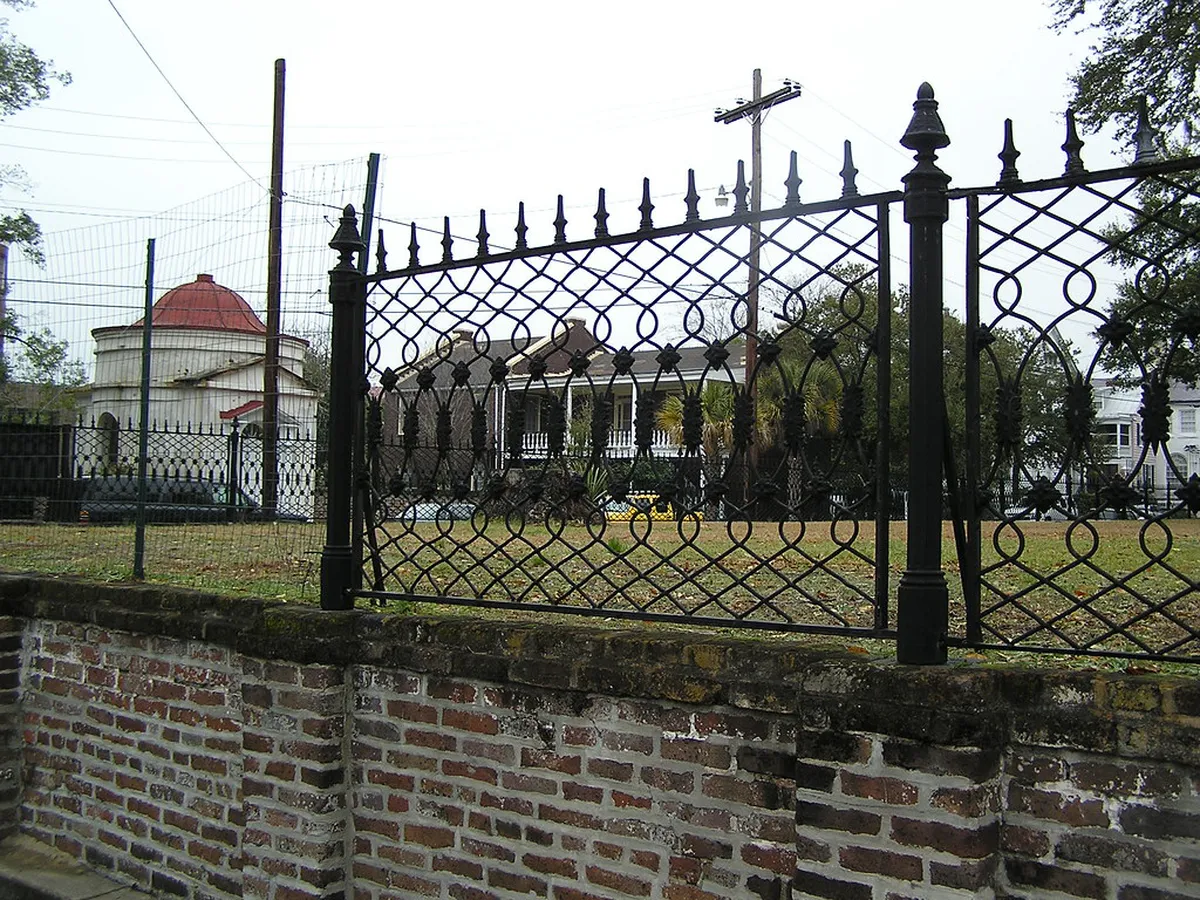
Table of Contents
Exploring Canarian Colonial Architecture: Island by Island
The Canary Islands boast a rich tapestry of colonial architecture. This style reflects centuries of history and diverse influences. Each island developed its own unique architectural flavor. Understanding these differences enhances any visit.
La Laguna in Tenerife stands as a prime example. It showcases the foundational Canarian colonial style prominently. This UNESCO World Heritage site offers an amazing starting point. Explore the detailed La Laguna architecture guide for deeper insights.
You will notice distinct variations as you travel between islands. Factors like climate, available materials, and economic prosperity played a role. These elements shaped the buildings we admire today. Prepare to uncover these fascinating contrasts.
The Foundational Canarian Colonial Style in La Laguna
San Cristóbal de La Laguna offers a well-preserved blueprint. Its colonial houses typically feature elegant wooden balconies. These balconies often enclose charming internal patios. Courtyards provided light and ventilation during colonial times.
The city's design follows a grid pattern from the 15th century. This urban plan influenced many colonial cities worldwide. You can explore the characteristics of Canarian colonial houses in La Laguna easily. Many of these homes are now public buildings or museums.
Materials used commonly included local stone and imported timber. Vibrant colors often adorn the facades. The historic palaces like Casa Salazar exemplify this grandeur. La Laguna's UNESCO status ensures this heritage remains intact for 2025.
Visitors can appreciate the intricate carvings on doors and windows. These details often show Mudejar influences. The architecture reflects a blend of European and local craftsmanship. It truly defines the essence of Canarian colonial style.
Gran Canaria's Architectural Distinctions: Vegueta
Gran Canaria, particularly Las Palmas' Vegueta district, presents its own character. Buildings here often appear more robust due to different building materials. Many structures utilize local volcanic stone in construction. This gives them a distinct, earthy feel.
Vegueta's colonial architecture often features enclosed balconies. These differ from La Laguna's open wooden styles. The patios are still central, providing privacy and cool air. Some larger homes show strong Andalusian influences.
The Santa Ana Cathedral is a prominent example of diverse styles. It combines Gothic, Renaissance, and Neoclassical elements. This architectural blend showcases centuries of evolution. Discover the rich history through its detailed structures.
Many facades in Vegueta sport colorful facades and intricate ironwork. Iron grills protect windows and adorn balconies. This adds another layer of artistic expression. It distinguishes Gran Canaria's colonial urban landscape.
Tenerife Beyond La Laguna: Northern Towns
While La Laguna sets a high standard, other Tenerife towns offer variations. Garachico and La Orotava are notable examples. These towns faced different geographical challenges. Their architecture adapted to coastal or valley settings.
La Orotava is famous for its elaborately carved Canarian wooden balconies. These are often more ornate than those in La Laguna. The town's steep streets create dramatic views. Many houses date back to the 17th and 18th centuries.
Garachico, rebuilt after a volcanic eruption, shows resilience. Its colonial buildings feature simpler lines and strong foundations. The town utilized local volcanic rock extensively. This gives it a unique, rugged charm.
Even within Tenerife, you find architectural evolution. Santa Cruz de Tenerife, for example, features more Neoclassical buildings. This shows later influences compared to the older colonial centers. Its urban planning evolved differently from La Laguna's grid.
Lanzarote and Fuerteventura: Simplicity and Adaptation
⭐ Recommendation: Don't miss out on amazing Madrid tours - book now!
The eastern islands, Lanzarote and Fuerteventura, exhibit simpler colonial styles. Their arid landscapes and strong winds shaped designs. Buildings prioritize functionality and protection from the elements. This leads to a distinct aesthetic.
Houses typically feature whitewashed walls and flat roofs. These choices reflect a need for thermal insulation and water collection. Local volcanic stone in construction is fundamental here. It blends seamlessly with the stark environment.
Balconies are less common or much more enclosed. Open courtyards remain important for living spaces. The architectural style here is more austere and pragmatic. It focuses on survival and resourcefulness.
You will find fewer ornate details compared to western islands. The emphasis is on structural integrity and harmony with nature. Explore these traditional Canarian houses for a different perspective. They represent a powerful adaptation to the island's unique conditions.
Common Elements and Unique Island Adaptations Across the Canaries
Despite the differences, some features unite Canarian colonial style. Internal courtyards or patios are almost universal. These provide essential outdoor living spaces. They also offer natural light and ventilation within the homes.
Wooden elements, especially for doors, windows, and ceilings, are common. The famous Canarian wooden balconies are a signature. Their design and elaboration vary, but their presence is widespread. These elements show a shared architectural heritage.
The strategic use of local building materials also connects the islands. Volcanic stone, wood, and lime plaster are omnipresent. Each island used these resources in its own way. This adapted to local availability and cultural influences.
Roof types also show subtle variations across the archipelago. Pitched tile roofs in Canarian architecture are common in the west. Flat roofs dominate in the drier eastern islands. These adaptations highlight the distinct climate and environmental factors. Understanding these nuances deepens your appreciation for the islands' heritage in 2025.
Frequently Asked Questions
Which Canary Island has the best-preserved colonial architecture?
Tenerife, specifically San Cristóbal de La Laguna, is renowned. It holds UNESCO World Heritage status for its colonial town planning. Its historic center is incredibly well-preserved. You can easily spend days exploring its beauty.
Gran Canaria's Vegueta district also offers remarkable preservation. It showcases impressive colonial structures and vibrant streetscapes. Consider an architectural walking tour map for both locations. This will help you find hidden gems and key sites.
Are there specific features that define Canarian colonial houses?
Yes, several features stand out. They include wooden balconies, often enclosed for privacy. Large internal patios are central to most designs. Thick walls and small windows helped regulate temperature effectively.
Mudejar influence is often seen in intricate wood carvings. Decorative elements and colorful facades are also common. These characteristics vary in intensity across the different islands. Look for them to appreciate the local distinctions.
What role does volcanic stone play in Canarian colonial buildings?
Volcanic stone is a fundamental building material across the islands. It is durable, readily available, and provides excellent insulation. Its color and texture vary, influencing the local aesthetic. This stone gives many buildings a unique, rugged appearance.
In drier islands like Lanzarote, it's particularly dominant. It integrates structures with their natural surroundings. Visiting architectural sites in 2025 reveals its widespread use. Look for the distinct dark stone walls and foundations.
How can I best experience the colonial architecture when visiting?
Walking tours are highly recommended to immerse yourself fully. Many cities like La Laguna offer guided tours. These tours provide valuable historical context. Check for an architectural walking tour map before your visit.
Visiting local museums and historic homes is also beneficial. Many offer insight into past living conditions. Don't forget to seek out the best architecture photo spots. This will capture the beauty of these unique structures.
The colonial architecture across the Canaries is wonderfully diverse. Each island tells its own story through its buildings. From La Laguna's stately mansions to Lanzarote's simple homes, the spirit of adaptation shines. This architectural journey is truly captivating.
Understanding La Laguna's architecture guide provides an excellent foundation. Then, venture out to explore other islands. Observe how distinct materials and climates shaped their unique styles. Start planning your architectural adventure for 2025 and beyond.
Every carved balcony and volcanic stone wall holds centuries of history. These structures invite you to step back in time. Explore these magnificent islands and their rich architectural heritage. Discover the charm of Canarian colonial style.
Key Takeaways
- Canarian colonial architecture varies significantly between islands.
- La Laguna offers a prime example of the foundational colonial style.
- Material availability (e.g., volcanic stone, timber) shaped local designs.
- Internal patios and wooden balconies are common elements across the archipelago.
- Eastern islands often show simpler, more functional designs due to climate.