
Girona Architectural Vocabulary: A Glossary for Travelers
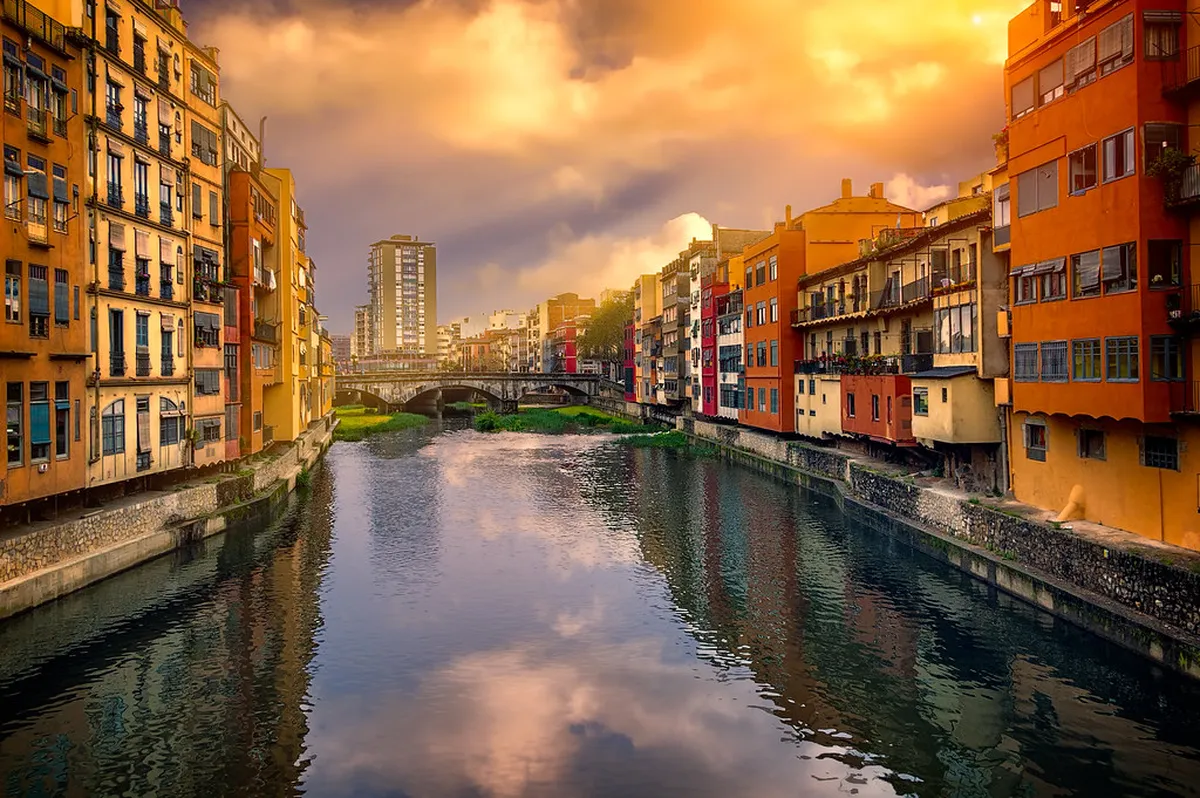
Table of Contents
Unlocking Girona's Architectural Vocabulary for Your Trip
Girona offers a captivating journey through centuries of architectural styles. Understanding its unique Girona architectural vocabulary enhances your exploration. From ancient Roman foundations to striking Modernisme buildings, every corner tells a story. This glossary helps you interpret Girona's historical layers, making your visit truly enriching.
You will discover terms essential for appreciating Girona's beauty. Learn about its diverse architectural history. Prepare to identify key elements as you wander through the city's charming streets. This guide will make your 2025 trip unforgettable and deepen your understanding of Girona's architecture.
Medieval Foundations: Romanesque and Gothic Terms
Girona's oldest structures showcase remarkable medieval craftsmanship. Romanesque architecture dates from the 10th to 12th centuries. It features thick walls, rounded arches, and sturdy pillars. You can see these elements in the Monastery of Sant Pere de Galligants. Its austere beauty reflects early Christian art.
A barrel vault is a common Romanesque ceiling type. It forms a continuous arch, resembling a tunnel. The Arab Baths exhibit this strong structural form. Buttresses are stone supports against walls. They help counteract outward pressure from heavy vaults. Spot them along Girona's ancient city walls.
The later Gothic style emerged from the 12th century. It brought towering structures and elaborate details. Key features include pointed arches and ribbed vaults. These allowed for much taller buildings. Stroll through the Gothic Quarter to see prime examples. Thin walls and large stained-glass windows became possible.
Flying buttresses are external arch-like supports. They transfer the thrust of high walls outwards. These are iconic in major Gothic cathedrals. The magnificent Girona Cathedral prominently displays them. Its single, wide nave is also a unique Gothic feature.
Gargoyles are sculpted, often grotesque, figures. They usually serve as decorative waterspouts. You'll find many fascinating examples on the Cathedral's exterior. Look up to spot these ancient guardians.
Jewish Quarter & Catalan Gothic: Unique Elements
El Call, Girona's historic Jewish Quarter, presents distinct architectural terms. Its narrow, winding streets are known as carrers. These create a labyrinthine layout, perfect for defensive purposes. The buildings here often have stone facades with small windows.
Many structures in El Call show traces of Catalan Gothic. This regional variation of Gothic architecture is notable. It features fewer flying buttresses than French Gothic. Instead, it uses internal buttresses for support. This creates wider, more open interior spaces.
Look for buildings with sols i ombres (sun and shadow) facades. These are designed to maximize light in tight spaces. You'll observe recessed areas and protruding elements. The Jewish Quarter's architecture is truly unique. It blends functional design with historical significance.
A portico is a covered walkway with columns. Some old Jewish homes had these on lower levels. They offered shade and shelter from rain. These elements contributed to the area's distinct urban fabric. Discover hidden courtyards as you explore.
The architecture also reflects the community's history. Stone construction was preferred for durability. Many buildings have been meticulously preserved. Explore the self-guided architecture walk here. It reveals many fascinating details.
Baroque Grandeur and Renaissance Touches
Later architectural periods also left their mark on Girona. The Renaissance style (15th-16th centuries) emphasized classical harmony. It brought elements like symmetrical facades and classical orders. While less prevalent, some buildings show these influences. Look for balanced proportions and regular window placement.
The Baroque period (17th-18th centuries) introduced dramatic flair. It moved away from Renaissance restraint. Key features include elaborate ornamentation and dynamic forms. Curved lines and rich sculptures are common. These create a sense of movement and grandeur.
Several Baroque churches in Girona display these characteristics. The Basilica de Sant Feliu combines Gothic with Baroque elements. Its facade shows ornate carvings and classical columns. This fusion of styles is very common in Catalonia.
A retable (or reredos) is an elaborate altarpiece. Girona's churches boast magnificent Baroque retables. They are often gilded and highly sculptural. These pieces served to inspire awe and devotion. Consider visiting Sant Feliu for an amazing example.
Volutes are spiral-shaped scroll ornaments. They are frequently seen on Baroque facades and altars. These decorative motifs add to the style's opulent feel. Observing these details enhances your appreciation. Learn more about Girona's facade details.
Modernisme & Noucentisme: Rafael Masó's Legacy
⭐ Recommendation: Don't miss out on amazing Girona tours - book now!
The late 19th and early 20th centuries brought significant change. Modernisme, Catalonia's Art Nouveau, emerged strongly. It features organic forms, vibrant colors, and natural motifs. Architect Antoni Gaudí is a famous exponent of this style. Girona has its own prominent Modernisme master.
Rafael Masó i Valentí was a key Modernisme architect. His work profoundly shaped Girona's urban landscape. He designed many iconic buildings across the city. His style blends traditional Catalan elements with modern ideas. Explore the Rafael Masó architecture for unique insights.
Masó often used traditional materials like exposed brick. He also incorporated ceramic tiles and wrought iron. Look for intricate floral patterns and stained-glass windows. These decorative elements are hallmarks of Modernisme. The Casa Masó is an excellent place to start.
Noucentisme followed Modernisme in Catalonia. It represented a return to classical order and proportion. This style emphasized clarity and simple lines. While Masó is primarily Modernista, some later works show Noucentista influences. Discover more about Girona's Modernist buildings. They are truly distinctive.
A sgraffito decoration is made by scratching through a surface layer. This reveals a contrasting color underneath. Masó frequently used sgraffito on his facades. It adds texture and visual interest. These detailed finishes make his buildings stand out.
Contemporary Features and Public Spaces
Girona's architectural story continues into the modern era. Contemporary structures integrate into the historic fabric. Modern design principles often focus on functionality. They use new materials like glass and steel. This creates striking contrasts with older buildings.
Many public spaces in Girona show thoughtful design. Plazas and riverfronts are often revitalized. These projects blend heritage with new amenities. They enhance the city's livability. Explore the public space design in Girona. It offers inviting urban environments.
The iconic colored houses along the Onyar River are called Cases de l'Onyar. While colorful, their structure often dates back centuries. They reflect traditional Catalan housing. Their facades have been painted vibrant hues. This creates a picturesque postcard view. You can even walk across the Eiffel Bridge for the best views.
Urban planning considers how buildings and spaces interact. Girona excels in preserving its past while evolving. New developments often respect the existing scale. This balance maintains the city's unique charm. The university campus also showcases interesting modern additions.
Understanding these terms enriches your visit. You'll see beyond just pretty buildings. You'll appreciate the thought behind each design. Consider taking Girona architecture tours for deeper dives. Experts can point out subtle but significant details.
Frequently Asked Questions
🎯 Insider Tip: Discover the best Girona experiences with Viator Tours!
What are common architectural terms in Girona?
Common terms in Girona include Romanesque and Gothic elements. Look for barrel vaults, pointed arches, and flying buttresses. Modernisme terms like sgraffito and organic forms are also vital. Catalan Gothic features wider naves and internal buttresses. These define Girona's rich architectural tapestry.
Key architects like Rafael Masó influenced local styles. Understanding terms like 'carrers' helps navigate the Jewish Quarter. These terms describe unique Catalan architecture characteristics. They bring the city's history to life. Many are referenced in key Catalan architectural terms.
How can I spot Romanesque architecture in Girona?
Spot Romanesque architecture by looking for specific features. Seek out thick stone walls and small, rounded windows. The presence of robust, unadorned columns is also a clue. Rounded arches are a defining characteristic. The Monastery of Sant Pere de Galligants is a prime example.
You can also identify Romanesque structures by their simple facades. They often lack the elaborate decoration of later styles. Look for powerful, solid construction. The Arab Baths also show distinct Romanesque traits. These buildings often feel imposing and serene.
Who was Rafael Masó and what is Modernisme?
Rafael Masó i Valentí was a pivotal Catalan architect. He was a leading figure of Modernisme in Girona. His unique style blended traditional Catalan elements. He incorporated innovative techniques and decorative arts. Masó's work is celebrated across the city.
Modernisme is the Catalan version of Art Nouveau. It flourished in the late 19th and early 20th centuries. This style emphasizes organic forms, natural motifs, and craftsmanship. Look for colorful tiles, wrought iron, and stained glass. Rafael Masó's buildings perfectly embody this artistic movement. They offer a vibrant contrast to older stone structures.
Girona's architectural vocabulary spans millennia. From Romanesque arches to Modernisme facades, each term reveals a story. Understanding these styles unlocks a deeper appreciation. Your 2025 visit will be richer with this knowledge. Look closely at the details around you.
Embrace the chance to learn about Girona's layered history. Use this guide to identify key architectural elements. Explore further with an architecture lover's itinerary. Start planning your immersive journey into Girona's past and present architecture. Discover something new on every street.
Key Takeaways
🌟 Local Expert Tip: Get the most out of your Girona visit with guided tours!
- Identify Romanesque by thick walls and rounded arches, seen at Sant Pere de Galligants.
- Recognize Gothic through pointed arches and flying buttresses, especially at Girona Cathedral.
- Spot Modernisme by organic forms and sgraffito on Rafael Masó's buildings.