
Key Catalan Architectural Terms to Know in Girona
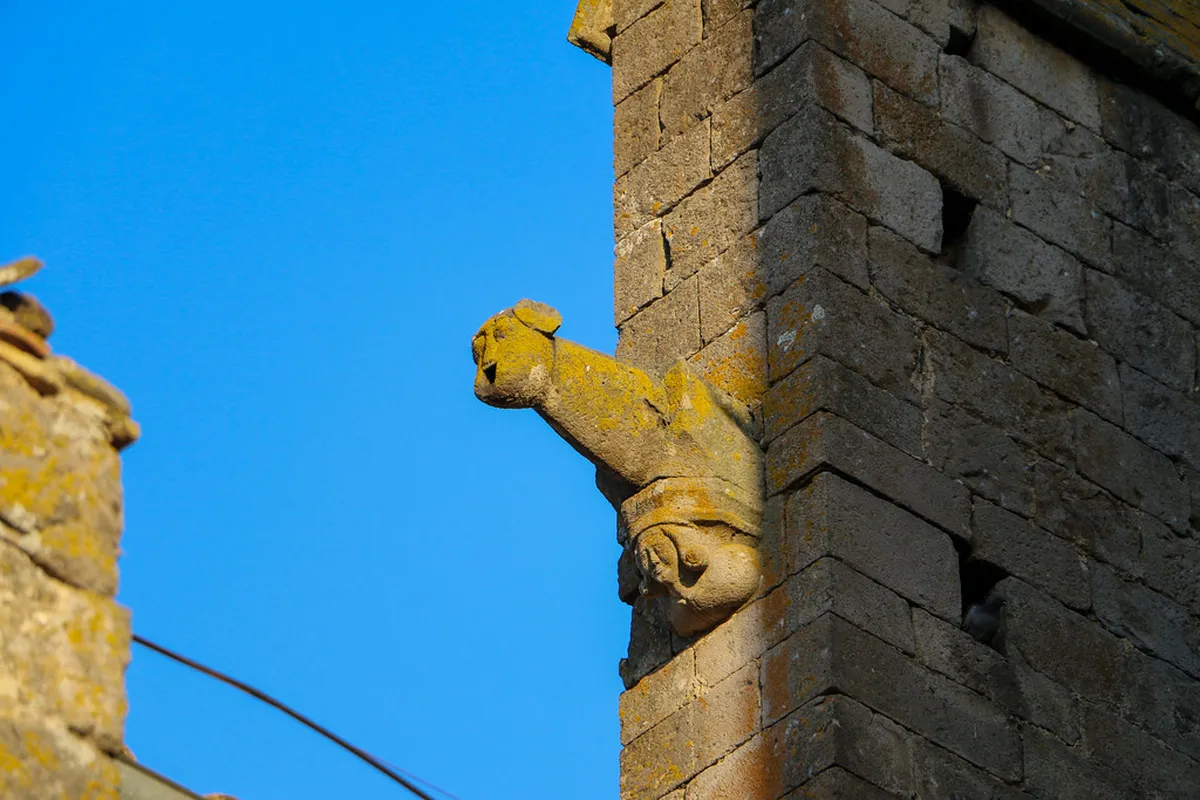
Table of Contents
Unlock Girona's Architecture: Key Catalan Terms Explained
Girona boasts incredible architectural heritage. Understanding key Catalan architectural terms enriches your visit. These terms unlock the city's unique designs. You will appreciate local building styles much more.
The city's rich history is visible everywhere. From Roman foundations to medieval grandeur, Girona offers diverse sights. Knowing these specific terms elevates your travel experience. You can identify styles and features more easily.
This comprehensive guide helps you decipher Girona's architectural language. It prepares you for an insightful journey. You will soon speak like a true architectural enthusiast. Prepare for an enriching visit in 2025. Discover the secrets of Girona's unique architectural landscape.
Key Medieval Architectural Terms in Girona
Girona's history is deeply etched into its old town. The Barri Vell refers to this ancient quarter. It is a labyrinth of narrow, winding streets. This area perfectly showcases the city's rich past. Many buildings here date back centuries, revealing layers of time.
Within the Barri Vell lies the Call Jueu, or Jewish Quarter. Its intricate layout is truly remarkable. Stone houses and hidden courtyards define this historic area. Explore its unique Girona Jewish Quarter architecture. You can feel history in every quiet corner. The narrow passages create a sense of mystery.
Look up to see a Volta Catalana, or Catalan vault. This ingenious construction technique uses thin bricks. It creates light, strong, curved structures. You will find examples in many older buildings. It is a hallmark of regional construction methods. This vaulting provides great structural integrity.
Girona Cathedral showcases Gòtic Català, or Catalan Gothic. This style emphasizes wider naves and fewer external adornments. It feels more robust than other Gothic forms. The cathedral boasts the world's widest Gothic nave. Its monumental scale is truly breathtaking. This distinct regional style stands out.
Keep an eye out for a Rosassa. This term means a rose window. These beautiful stained-glass windows are common in Gothic churches. They often depict intricate religious scenes. You can admire fine examples at Sant Feliu Basilica. Also, see them at the Girona Cathedral itself. Their colorful light illuminates the interiors.
Another key feature is the Arc Apuntat, or pointed arch. This Gothic innovation allowed for taller, lighter structures. It helps distribute weight more efficiently. You will see these arches in doorways and windows. They are a defining characteristic of medieval churches. Look for them in the Gothic Quarter's many buildings. These arches symbolize strength and elegance.
Exploring Modernist and Noucentist Terms
Catalonia embraces its unique architectural movements. Modernisme is the Catalan Art Nouveau style. It flourished in the late 19th and early 20th centuries. This style emphasizes organic forms, vibrant colors, and natural motifs. Rafael Masó is Girona's most famous Modernist architect, leaving a rich legacy.
Modernisme often features intricate decorative details. You might see Trencadís, a mosaic made from broken ceramic tiles. Park Güell in Barcelona is famous for this technique. In Girona, you will find Masó's buildings with distinctive Rafael Masó architectural elements. His designs are very recognizable. They showcase incredible artistry and craftsmanship.
Following Modernisme came Noucentisme. This style emerged in the early 20th century. It reacted against Modernisme's exuberance. Noucentisme favored classical lines, symmetry, and order. It sought a return to traditional Catalan values. Many public and private buildings reflect this refined aesthetic. It represents a more sober approach.
The Façana refers to a building's front or main face. Modernist façades are often highly decorative. They use varied materials and ornate balconies. Look for sculptural elements and stained glass. These details define a building's unique character. Girona's Eixample district features many such interesting façades. Take a walking tour to discover them all.
A notable example is the Casa Masó itself. This house by Rafael Masó is a masterpiece. It exemplifies Modernist principles beautifully. The interior is also worth exploring for its design. Visit his former home for unique insights. It is a must-see for architecture lovers. Booking a tour is recommended for 2025.
Also, consider the term Eixample. This refers to the expansion districts. These neighborhoods were built outside the old city walls. They often feature grid-like street patterns. Many Modernist buildings are found here. Girona's Eixample showcases various early 20th-century styles. This area is perfect for spotting Modernist buildings. Discover a different side of the city.
Essential Urban and Structural Terms
Girona’s urban landscape is truly charming. A Plaça is a public square or plaza. These squares serve as vital social hubs. They are central to Catalan community life. Many historic events happened in these open spaces. Find beautiful examples like Plaça de la Independència. It’s perfect for people-watching.
The Rambla is a wide, tree-lined pedestrian avenue. Barcelona's La Rambla is most famous. Girona has its own charming Rambla de la Llibertat. It is a popular spot for leisurely strolls. You will find shops, cafes, and street performers there. Enjoy a coffee and soak in the atmosphere.
A Pont means bridge in Catalan. Girona is known for its many picturesque bridges. The iconic Eiffel Bridge (Pont de les Peixateries Velles) is a highlight. This iron bridge was designed by Gustave Eiffel's company. It offers fantastic views of the Onyar River. This is a crucial crossing point.
The Cases de l'Onyar are the colorful houses along the river. These vibrant buildings create Girona's postcard image. They stand precariously above the Onyar River. Each house boasts a unique color palette. This makes for fantastic Girona photography spots. Their reflection in the water is stunning.
Don't miss the Muralles, Girona's medieval walls. These ancient fortifications encircle much of the old city. Walking along them offers panoramic views. It is a fantastic way to grasp Girona's history. Learn more about a Girona medieval walls walking tour. You can walk these ancient paths in 2025. The views extend to the Pyrenees.
Consider the Porxo, meaning porch or arcade. These covered walkways are common in medieval towns. They provided shelter from sun and rain. You will find beautiful examples along the Rambla de la Llibertat. They add character to the streetscape. Many shops operate under these historic arcades.
Common Architectural Details and Decorations
💡 Pro Tip: Book your Girona adventures in advance through Viator for the best deals!
Many smaller details contribute to Girona's grandeur. A Contrafort is a buttress. These robust structural elements support walls, especially in large buildings. You can see them clearly on the outside of Girona Cathedral. They help distribute the immense weight of the massive structure. This adds to the building's stability.
Look closely for a Gàrgola, or gargoyle. These decorative spouts channel water away from buildings. They often feature grotesque or fantastical figures. Gargoyles are common on Gothic structures. They add a whimsical, yet practical, touch to many facades. Each one tells its own small story.
The Dovella refers to a wedge-shaped stone. These stones form an arch or a vault. The central stone is the keystone, locking it all in place. Understanding dovetails helps appreciate traditional stone construction. You will find them in ancient doorways and how to spot a Romanesque arch. These elements are fundamental to masonry.
A Capitell is a capital, the top part of a column. Capitals often feature intricate carvings. These carvings can indicate the architectural style. Romanesque capitals might have biblical scenes. Gothic ones might be more naturalistic. Each style has its unique capital designs. Observe the artistry in each.
Finally, a Claustre means cloister. This enclosed courtyard is found in monasteries and cathedrals. It typically has covered walkways around a central garden. The Monastery of Sant Pere de Galligants has a stunning cloister. It provides a peaceful sanctuary to visitors. This quiet space offers a moment of reflection. It's a serene escape from the city.
Consider also the Campanar, or bell tower. These towers are prominent features of many Catalan churches. They often stand tall above the city skyline. The Sant Feliu Basilica has a distinctive one. These towers served as important landmarks. They also announced significant events to the townspeople. Seek them out on your self-guided architecture walk.
Materials and Other Distinctive Features
⭐ Recommendation: Don't miss out on amazing Girona tours - book now!
The local building materials tell their own story. Pedrera refers to local stonework or quarry stone. Girona's buildings frequently use local stone. This material provides durability and a distinct aesthetic. Many ancient structures feature this robust stone. It blends harmoniously with the landscape.
You will often see Ceràmica, or ceramics, used for decoration. Glazed tiles add color and patterns to façades. They are a beloved element in Catalan architecture. Look for them on balconies, cornices, and rooflines. These vibrant details reflect a rich artistic tradition. They contribute to the lively streetscapes. Discover the different Girona building materials.
Ferro Forjat means wrought iron. This metalwork adorns many windows and balconies. It provides both security and artistic flourish. Look for intricate patterns on railings and gates. Each piece often shows individual craftsmanship. It adds an elegant touch to older buildings. These decorative elements are truly beautiful.
A Galeria is a covered balcony or enclosed gallery. These features often extend from the upper floors. They provide extra living space and light. You will see many examples, especially along the river. The Cases de l'Onyar often feature these galleries. They are a distinctive part of the Girona skyline.
Finally, a Pati is an inner courtyard. Many traditional Catalan homes have a pati. These courtyards provide light, ventilation, and privacy. They are often lush with plants. Public buildings like the Arab Baths also feature stunning courtyards. Explore the serene spaces of Girona's Arab Baths. These hidden gems offer a tranquil escape.
Frequently Asked Questions
🎯 Insider Tip: Discover the best Girona experiences with Viator Tours!
What is the most iconic architectural term associated with Girona?
The term 'Cases de l'Onyar' is often iconic for Girona. It describes the colorful riverside houses. These façades are truly unique. They define the city's picturesque image. These houses are famous worldwide. Their vibrant appearance is instantly recognizable.
Where can I see examples of Modernisme architecture in Girona?
You will find prime Modernisme examples throughout Girona. Rafael Masó's works are particularly notable. Visit Casa Masó on Carrer Ballesteries. His unique style is evident everywhere. Take a self-guided Modernist architecture walk. You will discover many hidden gems. Don't miss the details on these buildings.
How does the term 'Barri Vell' relate to Girona's history and architecture?
'Barri Vell' refers to Girona's historic Old Town. This ancient quarter houses centuries of history. It features Roman, Medieval, and Gothic elements. The Gothic Quarter architecture here is stunning. Exploring Barri Vell unveils Girona's complete architectural story. It is a living museum of styles. Additionally, consider exploring the rich architectural history of Girona in general.
Understanding Girona architectural vocabulary enriches your exploration. These key Catalan architectural terms unlock deeper insights. You can truly appreciate the city's heritage. Each term tells a part of Girona's story. Plan your architectural tour today.
From ancient walls to Modernist facades, Girona awaits. Use this guide to enhance your 2025 visit. Discover the hidden meanings behind the stone. Dive deeper into Girona's architectural history. Your journey through Catalan design starts now.
Key Takeaways
💡 Pro Tip: Book your Girona adventures in advance through Viator for the best deals!
- Learn key Catalan terms to enhance your Girona architectural tour in 2025.
- Identify Modernist Trencadís, Gothic Arcs Apuntats, and historic Barri Vell.
- Use this vocabulary to appreciate Girona's unique building styles and history.