
Discover Catalan Architecture Characteristics in Girona
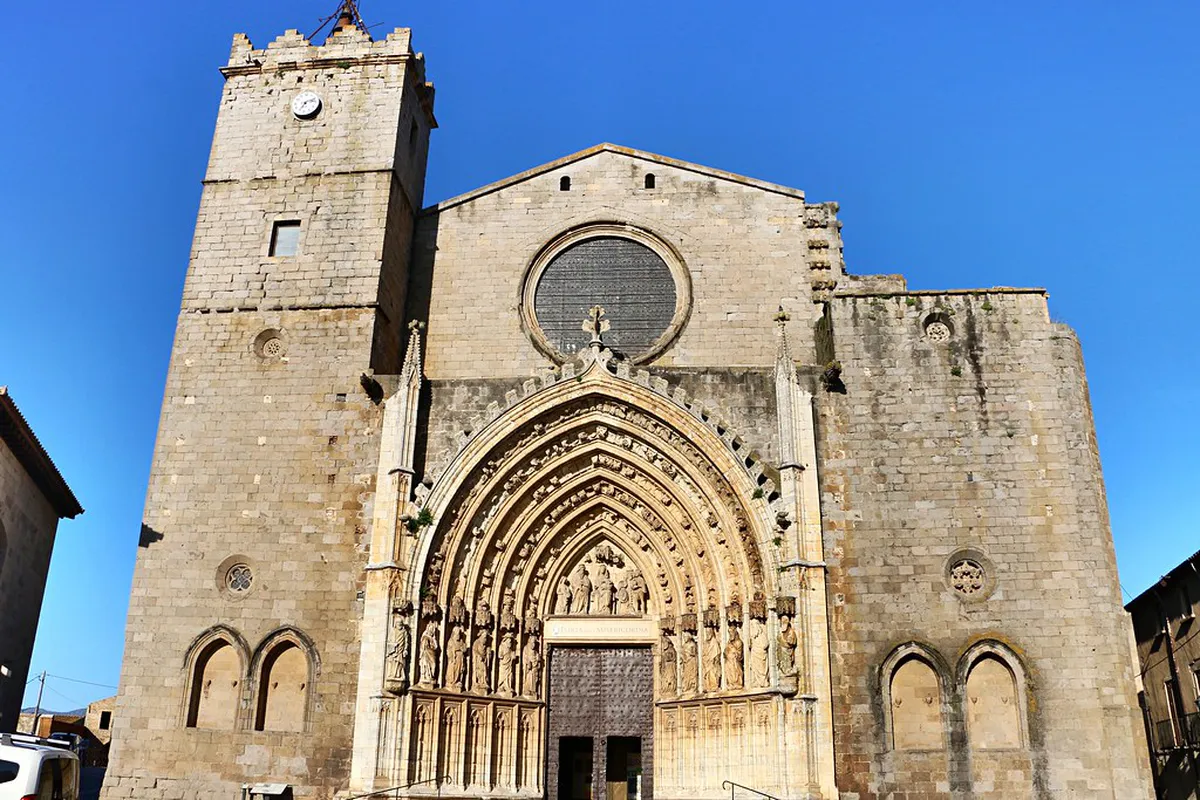
Table of Contents
Uncovering Girona's Diverse Catalan Architecture
Girona, a gem in Catalonia, Spain, offers a rich architectural tapestry. Its buildings tell stories of centuries past. Understanding Catalan architecture characteristics helps you appreciate this city. You will find styles from Romanesque to Modernisme. This guide explores Girona's unique architectural heritage, especially for your 2025 visit. Learn more about Girona's complete architecture guide.
Catalan architecture stands out with its distinct regional flair. It blends historical influences with local materials and techniques. Girona beautifully showcases these specific design elements. Prepare to explore ancient walls, grand cathedrals, and modernist masterpieces. Discover the fascinating architectural history of Girona.
Understanding Catalan Architecture's Foundations
Catalan architecture developed over many centuries. It is rooted in Roman and Visigothic traditions. The region's geography and history shaped its unique identity. Local resources like stone and brick were often used. These materials give buildings a distinctive appearance.
Key characteristics include a strong connection to the land. Buildings often blend seamlessly into their surroundings. Simplicity and robustness mark older structures. Later styles show more decorative and expressive forms. Learn about Girona's typical building materials.
Medieval builders utilized local stone extensively. Romanesque churches feature thick walls and rounded arches. Gothic cathedrals reached soaring heights with intricate details. These styles display Catalan interpretations. They reflect both European trends and local preferences.
Medieval Girona: Romanesque and Gothic Grandeur
Girona's Old Town is a living museum of medieval design. The city boasts remarkable Romanesque and Gothic structures. These buildings perfectly embody early Catalan architecture characteristics. Their imposing presence defines the historic skyline.
The Girona Cathedral stands as a prime example. It features a massive Gothic nave. This nave is the widest Gothic nave in the world. The Cathedral also incorporates Romanesque elements, visible in its cloister. This blend highlights Girona's layered past.
Explore the intricate Gothic Quarter architecture. Here, narrow streets reveal hidden courtyards. The ancient Medieval Walls also offer stunning views. These fortifications protected the city for centuries. They are a testament to medieval engineering.
The Basilica of Sant Feliu showcases a blend of styles. Its Romanesque origins are clear. Gothic additions completed its majestic form. Visitors can also explore the ancient Arab Baths nearby. These Romanesque baths draw from Islamic architectural ideas.
Modernisme in Girona: Rafael Masó's Lasting Legacy
The late 19th and early 20th centuries brought Modernisme. This Catalan Art Nouveau style flourished in Girona. It diverged from the more famous Barcelona Modernisme. Girona's version often has a more restrained elegance.
Architect Rafael Masó is central to Girona's Modernisme. He blended traditional Catalan elements with modern aesthetics. His buildings are characterized by local materials. You will often see ceramic, exposed brick, and wrought iron.
One iconic example is Masó's Casa Masó on the Onyar River. It features colorful facades and unique balconies. The interior design also reflects Modernisme principles. These houses add vibrant color to the riverfront.
Other significant Modernist buildings dot the city. Look for them on Gran Via de Jaume I. Masó’s work emphasizes functionality and harmony. He created designs that were both beautiful and practical. Pay attention to the intricate facade details.
Beyond Modernisme: Noucentisme and Contemporary Styles
🌟 Local Expert Tip: Get the most out of your Girona visit with guided tours!
Following Modernisme came Noucentisme. This style favored classical order and Mediterranean ideals. It was a reaction against Modernisme's exuberance. Noucentisme sought a more refined, academic approach. Understand the differences between these styles.
Girona has examples of Noucentisme, though less prominent than Modernisme. These buildings often feature neoclassical elements. They maintain a sense of Catalan identity. This stylistic evolution shows a continuous architectural dialogue.
In more recent times, contemporary architecture has emerged. New structures blend with Girona’s historic urban fabric. They often use modern materials while respecting context. Modern designs sometimes echo traditional forms abstractly. Girona's public spaces also reflect modern design principles.
The city strives to preserve its rich past. At the same time, it embraces innovation. This balance ensures a dynamic architectural landscape. Visitors in 2025 can witness this blend firsthand. Each era adds another layer to Girona’s visual narrative.
Frequently Asked Questions
What makes Catalan architecture in Girona unique?
Girona's Catalan architecture is unique due to its historical layering. It blends Romanesque, Gothic, and Modernisme beautifully. Local materials like stone and ceramic are widely used. Rafael Masó’s distinct Modernisme is also a highlight. This creates a cohesive yet diverse urban landscape. See how Girona showcases Catalan styles.
Where are the best places to see Catalan architecture in Girona?
Visit the Gothic Quarter for medieval buildings like the Cathedral. Explore the Onyar River houses for Modernisme examples. The Basilica of Sant Feliu also displays great architectural fusion. These sites offer a comprehensive overview. Consider a guided architecture tour.
How can I explore Girona's architecture on my own?
Start a self-guided walk through the Old Town. Pick up a map from the tourist office. Focus on areas like the Jewish Quarter and the riverfront. Look for detailed facade work and unique window designs. This allows for flexible exploration. Use a self-guided architecture walk route.
Girona offers a captivating journey through Catalan architecture characteristics. From ancient walls to Modernist facades, its history is etched in stone. Visitors in 2025 will find a city rich in design and culture. Plan your visit to discover these incredible buildings.
This architectural richness provides endless exploration. Whether you love history or modern design, Girona has something for you. Use this guide to plan your architecture lovers' itinerary. Capture stunning photos at Girona's top photography spots.
Key Takeaways
- Girona features diverse Catalan architectural styles.
- Rafael Masó's Modernisme is a must-see in the city.
- Explore medieval Romanesque and Gothic structures in the Old Town.
- Plan your 2025 visit to fully appreciate Girona's unique buildings.