
How Cáceres Preserves Its Historic Buildings in Spain
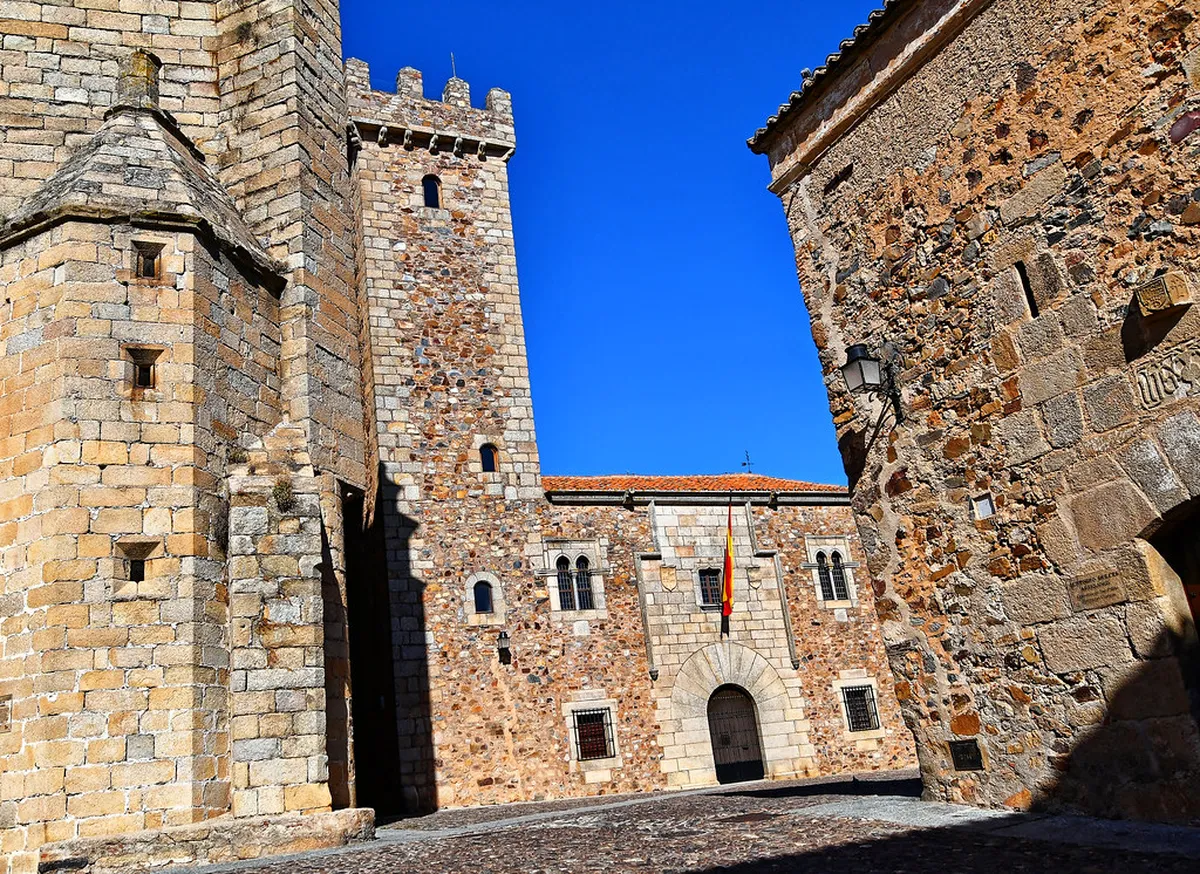
Table of Contents
Preserving Cáceres: A Guide to Architectural Conservation
Cáceres, a stunning city in Spain, holds UNESCO World Heritage status. Its ancient stone buildings tell centuries of history. Visitors often wonder how Cáceres preserves its historic buildings so effectively. This guide reveals the careful strategies employed to protect its architectural treasures.
Maintaining such a rich past presents unique challenges. The city commits significant resources to conservation. This ensures future generations can enjoy its beauty. Explore the efforts that keep Cáceres alive in 2025. Discover more about Cáceres' architecture guide here.
The Foundation of Cáceres' Conservation Efforts
Cáceres' preservation relies on robust legal frameworks. Spanish national laws protect cultural heritage sites. Local city ordinances provide additional layers of safeguard. These regulations ensure strict guidelines for any renovation work.
UNESCO designation brings international attention and support. It emphasizes the universal value of Cáceres' Old Town. This status means continuous monitoring and funding opportunities. Learn about the challenges of conservation in a UNESCO site.
A dedicated municipal office oversees all projects. They work with historians and architects. Their goal is to maintain authenticity and structural integrity. This ensures minimal impact on historic structures. Even small repairs require special permits.
Funding comes from various sources. The regional government of Extremadura contributes significantly. European Union grants also support major restoration works. Private foundations sometimes aid specific projects. This financial backing is crucial for long-term care.
Traditional Techniques and Modern Challenges in Preservation
Restoring historic buildings in Cáceres demands specific skills. Artisans use traditional materials like local granite and limestone. They employ time-honored construction methods. This approach respects the original character of each structure.
Maintaining traditional facades is a constant priority. Experts clean stonework gently to remove grime. They repair cracks with historically accurate mortars. This work prevents further decay from weathering. It keeps the city's appearance consistent.
Modern life introduces various preservation challenges. Increased tourism can cause wear and tear. Managing visitor flow helps mitigate this impact. Developing sustainable tourism practices remains a key focus.
Infrastructure upgrades must be carefully planned. Laying new cables or pipes near ancient walls requires extreme caution. Architects find innovative ways to integrate modern needs. They do this without harming historical foundations. Discover more about architectural conservation in Cáceres.
Climate change poses another threat in 2025. Extreme weather events can damage old buildings. Experts study long-term climate patterns. They develop proactive measures to protect vulnerable sites. These include improved drainage systems.
Experiencing Preserved History: A Visitor's Guide for 2025
Visiting Cáceres offers a unique journey through time. The preserved Old Town is largely pedestrianized. This allows for peaceful exploration of its narrow streets. You can truly immerse yourself in history.
Many historic buildings are open to the public. The Santa María Cathedral showcases centuries of change. The Palacio de los Golfines de Abajo offers guided tours. Check specific opening hours and ticket costs for 2025.
Responsible tourism plays a vital role in preservation. Please respect all signage and barriers. Avoid touching ancient walls or structures. Your thoughtful actions help maintain these treasures for everyone. Find a full Cáceres Old Town architecture guide.
Consider joining a guided walking tour. Local experts provide valuable insights into the architecture. They explain the city's rich history and conservation efforts. Tours often visit hidden courtyards and lesser-known spots. These insights deepen your appreciation.
Accommodation within the Old Town is often in renovated historic properties. Staying in these places supports local conservation efforts. Many hotels carefully restore original features. This blends comfort with historical charm. Book early for peak seasons.
Frequently Asked Questions
⭐ Recommendation: Don't miss out on amazing Caceres tours - book now!
What makes Cáceres a UNESCO World Heritage site?
Cáceres earned its UNESCO status in 1986. It boasts an exceptional blend of Roman, Moorish, Gothic, and Renaissance architecture. The city's walled Old Town is remarkably well-preserved. This unique fusion represents significant historical periods. Many Roman architectural elements still remain.
Are there specific restoration projects planned for 2025?
Cáceres continually undertakes restoration work. Specific projects vary each year. The local government regularly updates its conservation plans. Always check the official Cáceres tourism website for current details. You might find active restoration at Palacio de las Veletas.
How can visitors contribute to the preservation of Cáceres?
Visitors can contribute by practicing responsible tourism. Stay on marked paths and respect historical sites. Support local businesses and artisans. Consider donating to local heritage organizations. This helps fund ongoing conservation needs. Also, explore visiting Cáceres' architectural sites responsibly.
Cáceres stands as a testament to dedicated architectural conservation. The city's multi-layered approach safeguards its unique heritage. Strict regulations and skilled craftsmanship ensure its longevity. This commitment preserves a living museum for all.
Plan your visit to Cáceres in 2025 to experience this history firsthand. Your journey supports these vital preservation efforts. Explore the ancient city walls and stunning palaces. Discover more about Cáceres' architectural conservation. Come and witness its timeless beauty.
Key Takeaways
- Cáceres uses strict legal frameworks and UNESCO support for conservation.
- Traditional techniques combine with modern solutions to restore historic buildings.
- Responsible tourism helps preserve Cáceres' unique architectural heritage.