
Discover Baroque Architecture Examples in Cáceres for 2025
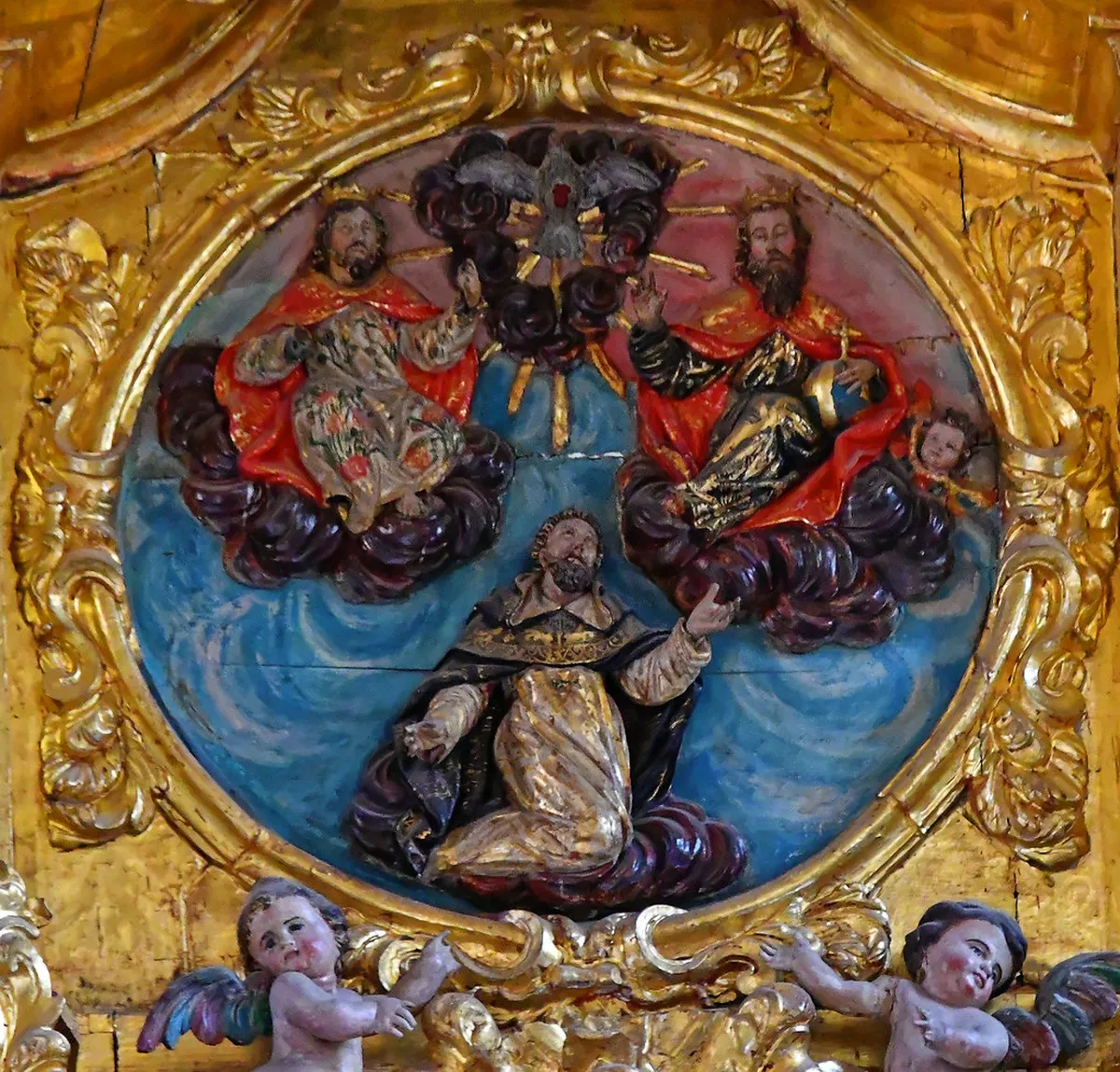
Table of Contents
Explore Baroque Architecture in Cáceres, Spain
Cáceres, a UNESCO World Heritage city, boasts rich architectural layers. Roman, Moorish, Gothic, and Renaissance styles converge here. Its architectural guide also features beautiful Baroque elements. These often blend seamlessly with older structures. This guide explores prominent Baroque architecture examples in Cáceres for your 2025 visit.
The Baroque period marked a significant artistic shift. It introduced grandeur, drama, and elaborate ornamentation. Discover these magnificent contributions in Cáceres. Explore the city's unique historical landscape on your Old Town architecture tour.
Understanding Baroque Features in Cáceres
Baroque architecture emerged in Spain during the 17th century. It continued into the 18th century. This style emphasized movement, grandeur, and rich detail. Architects used curved lines, dramatic contrasts, and elaborate facades.
You will often see ornate doorways and sculpted coats of arms. Pillars and pilasters also feature heavily. These elements add a sense of dynamism. Look for these Baroque details on Cáceres buildings. They provide a striking visual impact.
Cáceres already had a strong Renaissance presence. Baroque details often adorned existing structures. This created a fascinating blend of styles. Many noble palaces received Baroque makeovers.
The use of local stone, often granite, defined many buildings. This material gives structures a robust, historic feel. Baroque additions provided a new layer of sophistication. They reflect the evolving tastes of the era.
Often, these additions highlight family prestige. Grand entrances and family crests became more elaborate. Explore the coats of arms in Cáceres for examples. They speak volumes about noble lineage.
Palacio de los Golfines de Abajo: A Grand Facade
The Palacio de los Golfines de Abajo stands impressively in the old town. Its original construction was largely Gothic and Renaissance. Significant Baroque additions transformed its facade. This makes it a prime example of Baroque architecture examples in Cáceres.
Look closely at the main entrance portal. It showcases typical Baroque extravagance. Ornate columns and a large family crest dominate the design. This portal draws the eye upwards. It embodies the drama of the era.
The impressive Palacio de los Golfines features a massive two-headed eagle. This is the emblem of the Golfín family. Intricate carvings surround this powerful symbol. Such details are characteristic of Baroque design.
The palace's grandeur reflects the family's status. They were a powerful noble family in Cáceres. Their desire for opulence is clear. The Baroque elements enhance this feeling of wealth and power. Visitors can admire its exterior during a Cáceres architecture walking tour.
Convent of San Pablo: Religious Baroque Splendor
The Convent of San Pablo offers another excellent Baroque example. This religious complex boasts a beautiful Baroque altarpiece. This altarpiece is a central feature. It showcases the intense spiritual drama of the style.
Religious Baroque often aimed to inspire awe. Intricate carvings, gold leaf, and vibrant colors achieved this. The altarpiece at San Pablo is a testament to this aim. It draws worshippers into contemplation.
While the exterior might seem simpler, the interior holds treasures. The convent's main chapel is particularly noteworthy. It features rich ornamentation. This reflects the Baroque emphasis on emotional impact.
Consider visiting this site for its interior details. The entry fee for specific areas is often around €2-3. Opening hours typically run from 10:00 AM to 1:00 PM. Confirm these times for your 2025 visit to this religious architecture site.
The delicate carvings and sculptural elements are remarkable. They tell biblical stories with vivid intensity. This devotion to detail is a hallmark. It defines Baroque religious art throughout Spain. Plan your visit to discover more Baroque churches in Cáceres.
Church of San Mateo: Evolution of Styles
🎯 Insider Tip: Discover the best Caceres experiences with Viator Tours!
The Church of San Mateo stands majestically on one of Cáceres' highest points. Its construction began in the Gothic period. However, it underwent several transformations. These included significant Baroque interventions later on.
The main altarpiece is a striking example of Baroque art. It dominates the interior space. The intricate wood carvings are particularly impressive. Gold leaf often enhances these details. This creates a dazzling effect.
The church's tower also shows Baroque influence. It was completed in the 18th century. Its design features classical elements with Baroque flair. This adds to the overall grandeur of the building.
You can explore the San Mateo Church's interior most mornings. Check local listings for exact hours. Entrance is usually free. Donations are welcome for maintenance.
This church perfectly illustrates the architectural evolution of Cáceres. Different eras left their distinct marks. Baroque additions brought a new level of decorative artistry. They showcase the city's enduring appeal. Marvel at the blend of styles found in Gothic buildings in Cáceres.
Subtle Baroque Touches Around the City
🌟 Local Expert Tip: Get the most out of your Caceres visit with guided tours!
Beyond major landmarks, Cáceres offers subtle Baroque details. Many smaller noble houses received stylistic updates. Look for ornate window frames and detailed cornices. These additions often appear above existing Renaissance facades.
Private residences in the Jewish Quarter also display some Baroque elements. While primarily Moorish and medieval, later additions exist. Explore the Jewish Quarter architecture for hidden gems. You might spot an unexpected Baroque door.
The Plaza de San Jorge features some notable examples. The church of San Francisco Javier has a Baroque facade. This church is a significant landmark. Its elaborate entrance adds to the square's beauty.
Even small churches outside the main walled city show this influence. They often feature simpler Baroque altarpieces. These smaller examples are just as valuable. They demonstrate the widespread adoption of the style.
Keep an eye out for decorative balconies. Many feature intricate wrought ironwork. These can also hint at Baroque aesthetics. Discover more about the balconies of Cáceres during your visit. Each one tells a story.
Frequently Asked Questions
What makes Baroque architecture examples in Cáceres unique?
Cáceres' Baroque examples often integrate with older styles. You'll see Baroque details on Gothic or Renaissance buildings. This blend creates a unique architectural tapestry. The city's rich history is visible everywhere. Explore the Cáceres architecture map for locations.
Are there guided tours focusing on Cáceres Baroque buildings?
Yes, some specialized tours highlight Baroque architecture. Check with local tourism offices for options in 2025. Many general architecture tours also cover these sites. A walking tour is highly recommended. It offers a deeper understanding of the city's heritage.
What is the best time to see Baroque architectural details in Cáceres?
Spring and fall offer pleasant weather for walking. The softer light enhances photographic opportunities. Fewer crowds allow for better viewing angles. Consider visiting during April, May, September, or October for an optimal experience. Learn the best time for an architecture tour.
Cáceres offers more than just its famous medieval charm. Its Baroque architecture examples provide rich historical insights. These structures tell stories of evolving tastes and changing power. Plan your 2025 trip to discover this unique heritage.
From grand palace facades to intricate church interiors, Baroque flourishes abound. Take time to appreciate these detailed artistic expressions. Immerse yourself in the city's fascinating architectural layers. Start planning your visit to Cáceres architectural sites today!
Key Takeaways
🎯 Insider Tip: Discover the best Caceres experiences with Viator Tours!
- Cáceres' Baroque architecture uniquely blends with older Gothic and Renaissance styles.
- Look for ornate doorways, sculpted coats of arms, and elaborate altarpieces as key Baroque features.
- The Palacio de los Golfines de Abajo and the Church of San Mateo are prime examples of this style.