
A Balconies of Cáceres Guide: Hidden Architectural Gems
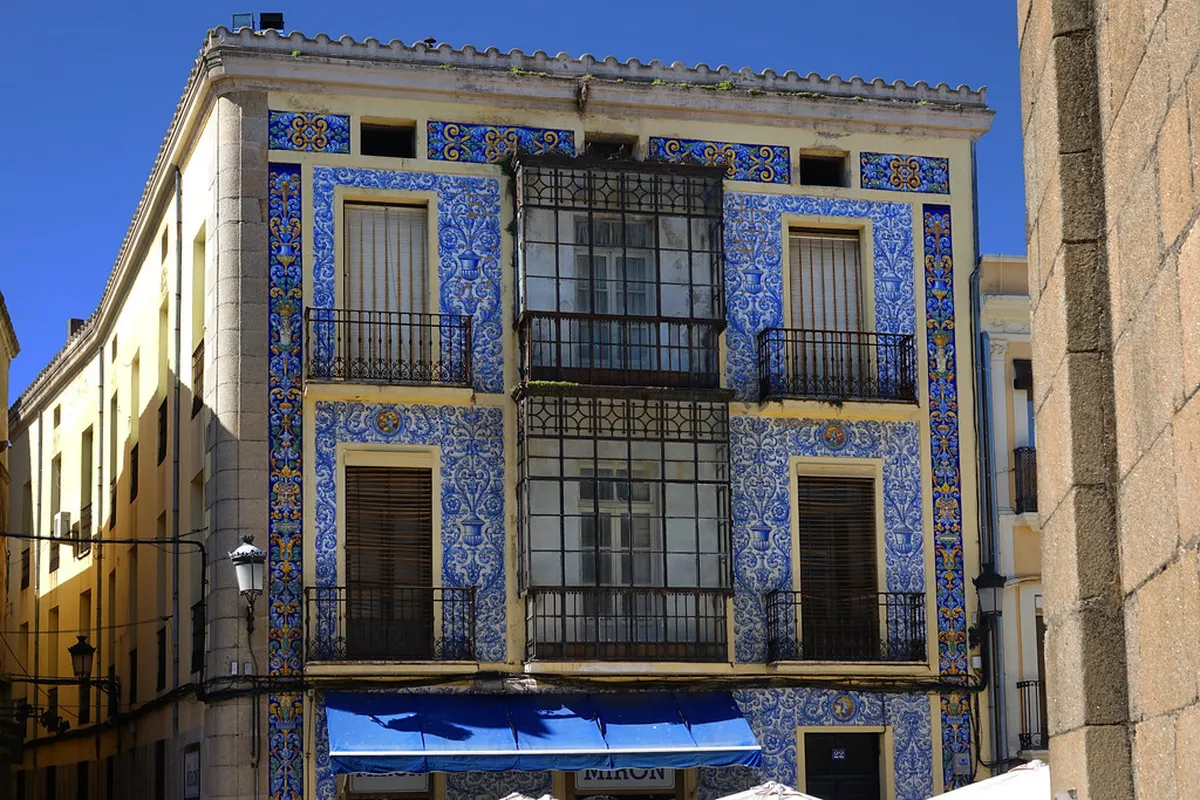
Table of Contents
Exploring the Unique Balconies of Cáceres, Spain
Cáceres, a UNESCO World Heritage city in Spain, captivates visitors. Its ancient streets and plazas tell centuries of history. Among its many architectural wonders are the striking balconies. These unique features add charm to the city's old town landscape. This 2025 guide will help you discover them.
These balconies reflect various historical periods and styles. From Gothic austerity to Renaissance grandeur, each balcony holds a story. Exploring them offers a unique perspective on Cáceres' rich architectural heritage. Prepare to be enchanted by these hidden gems.
The Rich History of Cáceres' Balconies
Cáceres' balconies are more than just decorative elements. They represent centuries of history and social evolution. Early medieval structures often featured simple wooden or iron railings. These offered practical ventilation and limited outdoor space. They protected residents within their fortified homes.
As the city prospered, balconies became more elaborate. Wealthy families built grand palaces with impressive facades. These new designs often included ornate stone balconies. They projected status and offered views of city life. Many examples exist in the Cáceres Old Town.
The Renaissance brought a significant shift in balcony design. Architects incorporated classical motifs and intricate carvings. Balconies transformed into focal points of buildings. They served as platforms for public viewing and private enjoyment. This period truly redefined their aesthetic.
Corner balconies are a distinct feature in Cáceres. These unique designs maximize natural light and street views. They are a testament to clever urban planning. Learn more about the history of corner balconies in Cáceres. You will find them throughout the historic center.
Architectural Styles Reflected in Balconies
Cáceres showcases a fascinating blend of architectural styles. Its balconies are perfect examples of this diversity. You can observe transitions from Gothic to Renaissance and Baroque. Each era left its distinct mark on these structures.
Gothic balconies often feature sturdy, less ornate designs. They prioritize function and fortress-like strength. Look for simpler wrought-iron work and thicker stone supports. These elements reflect the defensive needs of the period. Gothic buildings in Cáceres often reveal these characteristics.
Renaissance balconies introduced elegance and symmetry. They frequently incorporate balustrades and classical columns. Intricate stone carvings, known as Plateresque details, are common. These balconies signify a period of artistic refinement. They represent a significant shift in architectural taste.
Baroque balconies display dramatic flair and decorative excess. They feature curvilinear forms and highly sculptural elements. Ironwork becomes more elaborate, creating dynamic patterns. These ornate designs emphasize grandeur and visual impact. Discover more Baroque architecture examples in Cáceres.
You will even find some Mudejar influences on certain balconies. This style combines Christian and Islamic design elements. It creates unique geometric patterns and material contrasts. This rich tapestry of styles makes Cáceres a true architectural treasure.
Must-See Balconies in Cáceres' Historic Center
Cáceres' historic center is a treasure trove of stunning balconies. Many adorn the city's ancient palaces. Plan your visit in 2025 to see these beautiful examples. Start your exploration at the Plaza de Santa María.
The Palacio de los Golfines de Abajo boasts magnificent balconies. Its facade features striking Renaissance elements. Look for the ornate Plateresque detailing on the stone. These balconies offer superb photo opportunities. The palace is a highlight of any Cáceres architecture walking tour.
Another iconic spot is the Palacio de las Veletas. This palace features a unique, almost fortress-like design. Its balconies, while less ornate, complement its historical character. They provide a glimpse into an earlier architectural style. This building houses the Provincial Museum.
The Palacio de Carvajal showcases a beautiful corner balcony. It offers expansive views of the Plaza de Santa María. The intricate ironwork is particularly noteworthy. This specific design maximizes both light and perspective. Explore other Cáceres Renaissance palaces for similar finds.
Stroll through the narrow streets of the Jewish Quarter. You will discover simpler, yet charming, wooden balconies. These humble structures offer a glimpse into local life. They provide a different perspective on the city's history. Each balcony tells its own unique story.
Tips for Photographing Balconies in Cáceres
💡 Pro Tip: Book your Caceres adventures in advance through Viator for the best deals!
Capturing the beauty of Cáceres' balconies requires some planning. Lighting is crucial for highlighting architectural details. The golden hours, early morning or late afternoon, are best. Soft light enhances textures and reduces harsh shadows. This makes your photos truly pop.
Consider different angles when composing your shots. Look up from the street to capture their grandeur. Also, step back to include the surrounding facades. This provides context and scale. A wider lens can be very useful here.
Focus on specific details like stone carvings or wrought-iron patterns. Use a zoom lens if you have one available. This allows you to highlight the intricate craftsmanship. The stone carvings guide for Cáceres can help you identify key features. These small details often tell the biggest stories.
Visit during the spring or fall for ideal conditions in 2025. The weather is pleasant, and tourist crowds are thinner. This allows for unobstructed views and peaceful photography. Check out the best time for an architecture tour in Cáceres. You will find fewer people in your shots.
Don't forget to look for reflection opportunities. Puddles after rain can create stunning mirror images. Capture the balconies from unexpected perspectives. This adds an artistic touch to your collection. Experiment with different compositions for unique results.
Frequently Asked Questions
What makes Cáceres' balconies so special?
Cáceres' balconies are special due to their historical diversity. They display styles from Gothic to Renaissance and Baroque. Many are unique corner designs. They reflect centuries of architectural evolution. This makes them truly captivating.
Are there any specific tours focusing on Cáceres' balconies?
While no tours focus exclusively on balconies, many architectural tours highlight them. Consider a Cáceres architecture walking tour. These tours often point out the most significant examples. You will learn about their history and design. Look for guided tours that emphasize palace facades.
Can I see inside the palaces with these famous balconies?
Some palaces with famous balconies are open to the public. The Palacio de las Veletas houses a museum. The Palacio de los Golfines de Abajo offers guided visits seasonally. Always check their official websites for 2025 visiting hours and costs. This ensures you can plan your visit effectively.
What is the best way to explore the balconies of Cáceres?
The best way to explore is on foot. Cáceres' historic center is compact and pedestrian-friendly. Wear comfortable shoes for walking on cobblestone streets. Allow plenty of time to wander and discover hidden gems. A detailed Cáceres architecture map can be very helpful.
The balconies of Cáceres offer a fascinating journey through time. They showcase the city's rich architectural tapestry. From humble beginnings to opulent displays, each tells a part of history. Make sure to look up and appreciate these intricate details.
Planning your visit in 2025 will ensure a memorable experience. Wander through the UNESCO-listed Old Town and find your favorites. For more architectural wonders, explore Architect Tourist. Your adventure through Cáceres awaits!
Key Takeaways
- Cáceres balconies showcase diverse architectural styles from different eras.
- Look for corner balconies and intricate stone carvings for unique insights.
- Best times for photography are early morning or late afternoon for soft light.
- Walking tours are ideal for discovering these historical architectural details.