
Santa María Co-cathedral Architecture: A Cáceres Guide
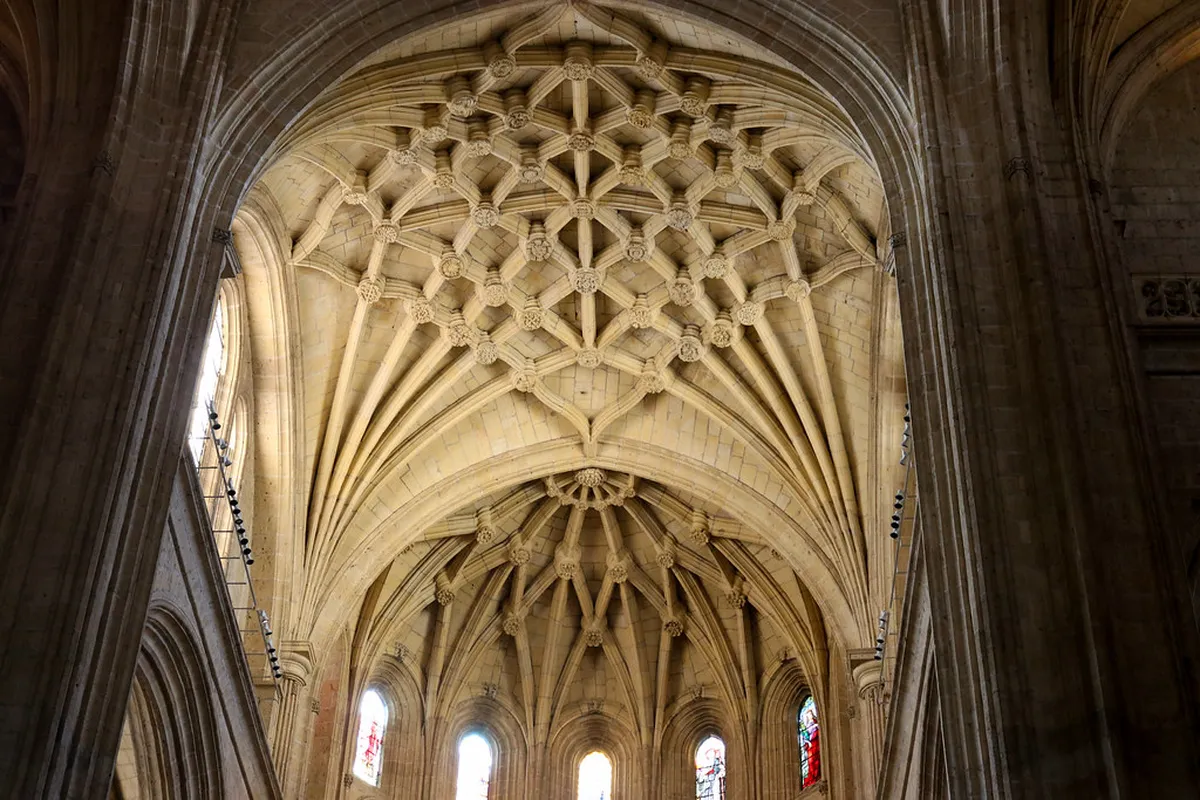
Table of Contents
Explore the Architectural Highlights of Santa María Co-cathedral
Cáceres, a UNESCO World Heritage city, boasts incredible historical buildings. Among them, the Santa María Co-cathedral stands as a true masterpiece. Its architectural highlights tell centuries of history. This guide explores the diverse styles within this iconic structure.
The Co-cathedral's architecture reflects Cáceres' rich past. Various periods left their mark on its construction. Prepare to be amazed by its intricate details and grand scale. It's a must-see for any visitor to the city.
Gothic Foundations and Renaissance Influences
The core of Santa María Co-cathedral is distinctly Gothic. Its construction began in the 13th century. You will notice strong, soaring arches inside. This style provides a sense of grandeur.
As centuries passed, new artistic trends emerged. The church saw significant Renaissance additions. These elements softened the earlier Gothic severity. This blend creates unique visual interest.
Later contributions introduced the ornate Plateresque style. This is a Spanish Renaissance decorative style. It features incredibly detailed stone carvings. Look closely at the facades and altars to find these precious details. Discover more about Gothic buildings in Cáceres and Renaissance palaces throughout the city.
The Impressive Tower and Bell Tower
A prominent feature of the Co-cathedral is its robust tower. This bell tower dominates the Caceres skyline. It offers fantastic views of the old town. Climbing it provides a unique perspective of the city.
The tower's design is primarily late Gothic. Its square base transitions into an octagonal belfry. Stone coats of arms adorn its upper sections. These represent noble families who supported its construction.
Access to the tower often requires a small fee. In 2025, expect costs around 2.50-3.50 EUR. Check the official website for current opening times. It is a worthwhile experience for architectural enthusiasts.
Exquisite Altarpieces and Chapels
Inside, the main altarpiece is a true marvel. It is carved from cedar wood by Roque Balduque. This Renaissance masterpiece dates from the 16th century. It depicts scenes from the life of the Virgin Mary.
Numerous chapels line the Co-cathedral's sides. Each chapel boasts unique artistic treasures. They feature various altarpieces, sculptures, and tombs. These offer a journey through different artistic periods.
For example, the Chapel of the Blazons displays detailed heraldry. The Chapel of the Holy Christ houses a venerated image. Many chapels contain exquisite examples of Plateresque details. Explore the rich religious architecture of Cáceres.
Notable Facades and Detailed Stone Carvings
💡 Pro Tip: Book your Caceres adventures in advance through Viator for the best deals!
The Co-cathedral presents several interesting facades. The main facade, facing Plaza de Santa María, is the most imposing. It features a grand entrance portal. Intricate sculptures surround the doorway.
Look for the delicate stone carvings around the portals. You will see biblical figures and heraldic shields. These carvings showcase incredible craftsmanship. They provide insight into historical artistic trends.
The north facade includes the Door of Forgiveness (Puerta del Perdón). Although it is now walled up, its history is intriguing. This door traditionally granted indulgences to pilgrims. Many stone carvings in Cáceres tell unique stories.
Visiting Santa María Co-cathedral in 2025
The Santa María Co-cathedral is centrally located in Cáceres. You will find it in the heart of the Monumental City. This area is easily walkable from Plaza Mayor. Plan your visit for the early morning or late afternoon.
Opening hours typically vary by season. In 2025, expect the church to be open daily, usually 10:00 AM to 1:30 PM and 4:30 PM to 7:00 PM. Sundays may have limited access due to services. Entry to the main nave is often free, but access to the tower and museum areas usually costs about 2.50-3.50 EUR.
Consider purchasing a combined ticket if available. This often includes other nearby attractions. Allow at least 1-2 hours to fully appreciate its architectural grandeur. For the best experience, visit during off-peak times to avoid crowds.
Frequently Asked Questions
🎯 Insider Tip: Discover the best Caceres experiences with Viator Tours!
What is the best way to experience the Co-cathedral's architecture?
Start by walking around the exterior to appreciate its various facades. Then, step inside to explore the nave, chapels, and altarpiece. Don't miss climbing the tower for panoramic city views. Consider a guided tour for deeper insights.
Are there guided tours available for the Santa María Co-cathedral?
Yes, guided tours are often available. Check at the entrance or visit the local tourist office for schedules. These tours offer valuable historical and architectural context. They enhance your understanding of the Co-cathedral's significance.
What are the opening hours and entry fees for Santa María Co-cathedral?
In 2025, general opening hours are typically 10:00 AM to 1:30 PM and 4:30 PM to 7:00 PM. Entry to the main church is usually free. Access to the tower or specific museum areas may cost 2.50-3.50 EUR. Confirm details on the official website before your visit. For more detailed information, consult our Santa María Cathedral guide.
The Santa María Co-cathedral in Cáceres is an architectural marvel. It beautifully blends Gothic, Renaissance, and Plateresque styles. Every corner reveals centuries of history and artistry. This makes it a cornerstone of Cáceres' heritage.
Plan your visit to fully appreciate its detailed facades, majestic tower, and exquisite interiors. It offers a profound look into Spain's rich architectural past. Make sure to include it in your Cáceres old town architecture exploration for an unforgettable experience.
Key Takeaways
- The Co-cathedral showcases a unique blend of Gothic, Renaissance, and Plateresque architectural styles.
- Climbing the bell tower offers unparalleled panoramic views of Cáceres' historic center.
- Pay attention to the detailed stone carvings and altarpieces for artistic insights.