
Exploring Burgos' Elegant Paseo del Espolón Buildings
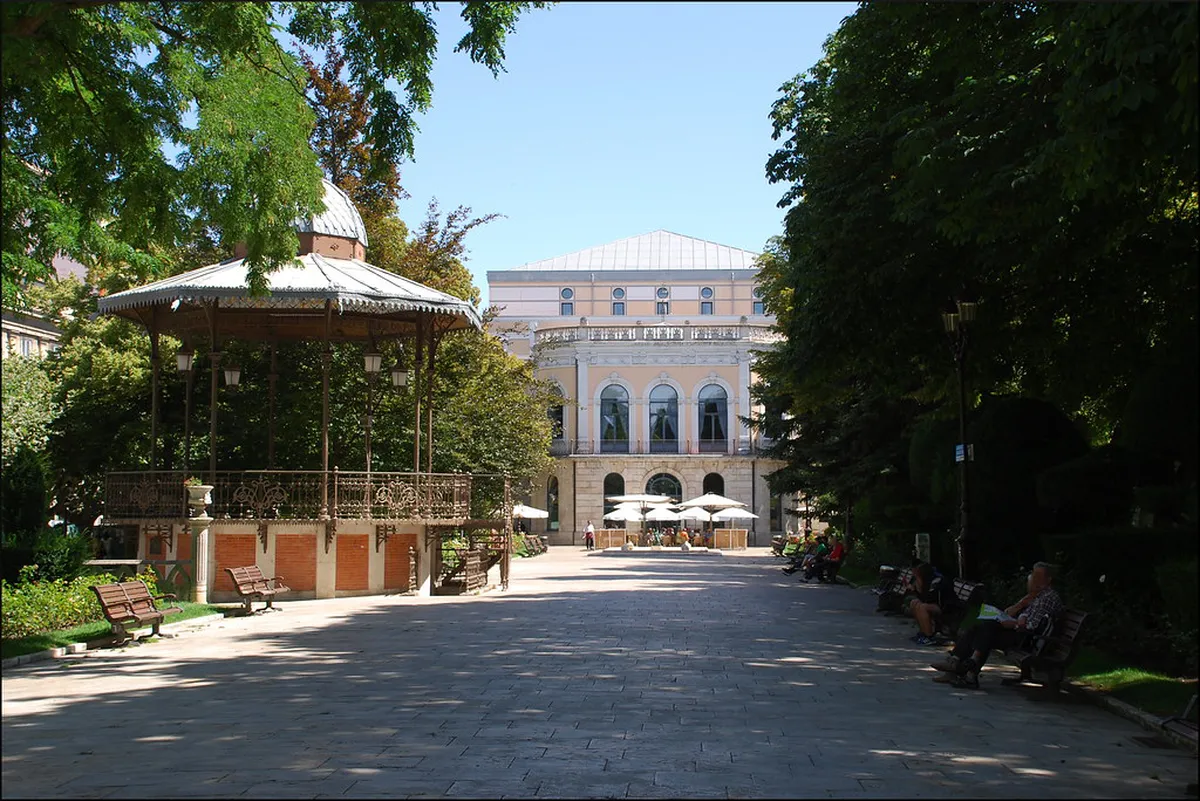
Table of Contents
Architectural Gems: Paseo del Espolón Buildings in Burgos
Burgos, Spain, captivates visitors with its rich history. The city offers many architectural treasures. Among them, the beautiful Paseo del Espolón Buildings stand out. These structures line a famous tree-lined promenade.
This guide explores the unique charm of these civil buildings. You will discover their historical significance and design elements. Prepare to admire the grand facades. Plan your architectural journey in Burgos for 2025. Dive into the heart of Burgos' architectural heritage.
The Grandeur of Paseo del Espolón's Setting
The Paseo del Espolón is Burgos' most iconic promenade. It stretches along the picturesque Arlanzón River. This beautiful walkway is adorned with statues and lush trees. The riverfront setting enhances the buildings' elegance.
Locals and tourists enjoy leisurely strolls here. The promenade connects the historic Arco de Santa María with the city center. This location makes it a central architectural highlight. It truly embodies the spirit of Burgos. Consider exploring a self-guided walking tour here.
The buildings here reflect Burgos' 19th-century prosperity. Wealthy families constructed grand residences. These homes showcased their status and refined tastes. They adopted prevailing European architectural trends. This area offers a glimpse into a bygone era.
The blend of nature and architecture creates a serene atmosphere. You can enjoy stunning views from the riverbanks. The historic city backdrop adds to the charm. This makes it a perfect spot for photography. Find the best architectural photo spots along the Espolón.
Architectural Styles of the Espolón's Facades
The Paseo del Espolón Buildings predominantly feature 19th-century styles. You will notice strong Neoclassical and Romantic influences. These styles emphasize symmetry and classical elements. They also incorporate decorative flourishes.
Many facades showcase elegant pilasters and cornices. Ornate windows and balconies are common features. This period moved towards more decorative civil architecture. Discover more about notable 19th-century buildings in Burgos.
Romanticism introduced more expressive and varied details. Look for intricate carvings and varied window shapes. These details add character to each building. They reflect changing tastes of the era. Explore other Neoclassical buildings in Burgos for comparison.
The building materials include local stone and brick. Plaster finishes often enhance the classical designs. Each building tells a story through its design. They collectively form a harmonious urban landscape. This promenade truly highlights civil architecture in Burgos.
Iconic Paseo del Espolón Buildings to Discover
Several prominent structures line the Paseo del Espolón. The Palacio de la Diputación Provincial is a magnificent example. This building serves as the Provincial Council headquarters. Its grandeur reflects its civic importance.
Another key structure is the Teatro Principal. This historic theater adds cultural significance to the promenade. It boasts a beautiful facade with classical motifs. The theater remains a vital cultural venue today. It is a must-see for architecture lovers.
Many private residences also line the Espolón. These once belonged to Burgos' elite families. They feature unique details and varying degrees of ornamentation. Each house contributes to the promenade's overall splendor. Consider an architectural walk along Paseo del Espolón to see them all.
Look for the former Casa de Cultura, now other offices. This building showcases well-preserved romantic architecture. Pay attention to its detailed balconies. These buildings collectively create a stunning visual experience. They demonstrate the wealth of Burgos architectural details.
Details That Define Espolón Facades
🌟 Local Expert Tip: Get the most out of your Burgos visit with guided tours!
The facades along Paseo del Espolón are rich in detail. Elaborate ironwork balconies are a defining characteristic. Each balcony features unique patterns and designs. These add artistic flair to the stone structures. They offer a touch of old-world charm.
Decorative window frames often highlight key floors. Sometimes, small sculptures or busts adorn the lintels. These artistic elements provide visual interest. They speak to the craftsmanship of 19th-century artisans. Explore more ironwork balconies in Burgos.
Rooftops often feature elegant cornices and parapets. Some buildings even have small towers or turrets. These elements contribute to the romantic silhouette. They create a memorable skyline along the river. Such details showcase the builders' pride.
Doorways are often grand and welcoming. Intricate wooden doors may hide behind wrought-iron gates. Pay attention to the materials used. The combination of stone, iron, and wood is beautiful. Discover more about the history of Burgos architecture through these details.
Experiencing the Espolón's Architectural Legacy
Visiting the Paseo del Espolón in 2025 is a must for any architecture enthusiast. The promenade is best explored on foot. This allows you to appreciate every intricate detail. Take your time enjoying the scenic river views.
Morning or late afternoon offers the best light for photography. The facades glow beautifully during these times. Weekday mornings typically mean fewer crowds. This allows for a more peaceful experience. Consider booking a Burgos architecture tour for deeper insights.
While many buildings are private, their exteriors are captivating. Some ground floors house shops or cafes. You might enjoy a coffee while admiring the views. The Provincial Council building is open for some public events. Check schedules for opportunities.
A simple stroll is free and always accessible. You can combine your visit with nearby attractions. The Arco de Santa María is just steps away. This arch offers a great starting point. Don't forget to look up and admire the rooftops.
Frequently Asked Questions
🎯 Insider Tip: Discover the best Burgos experiences with Viator Tours!
What is the main architectural style of the Paseo del Espolón Buildings?
The buildings along Paseo del Espolón primarily feature 19th-century architectural styles. These include Neoclassical and Romantic influences. You will see classical symmetry combined with decorative elements. This period showcases a shift towards more elaborate civil designs. Learn more about 19th-century buildings in the region.
Are there public access buildings along the Paseo del Espolón?
Yes, some buildings have public access or parts of them are public. The Provincial Council building hosts public events sometimes. The Teatro Principal is a cultural venue. Many ground floors house shops and cafes. You can also take Burgos architecture tours to learn more.
How can I best explore the architecture of Paseo del Espolón in 2025?
The best way to explore is on foot. Take a leisurely walk along the promenade. Pay close attention to the facades and intricate details. Consider a self-guided walking tour. You can also join a local guided tour for historical context. Early mornings offer fewer crowds and excellent lighting.
The Paseo del Espolón Buildings are a testament to Burgos' rich architectural past. Their elegant facades line a beautiful promenade. These structures reflect the grandeur of 19th-century design. They offer a peaceful and picturesque exploration.
Plan your visit to Burgos to experience these iconic buildings. Discover the intricate details and historical charm. This architectural journey is highly rewarding. For more insights, explore a full Burgos architecture guide. Let the Espolón inspire your next adventure!
Key Takeaways
- The Paseo del Espolón showcases elegant 19th-century Neoclassical and Romantic architecture.
- Look for intricate ironwork balconies, decorative windows, and grand facades like the Provincial Council.
- Explore on foot during morning or late afternoon for the best light and fewer crowds in 2025.