
Unraveling the History of Burgos Architecture
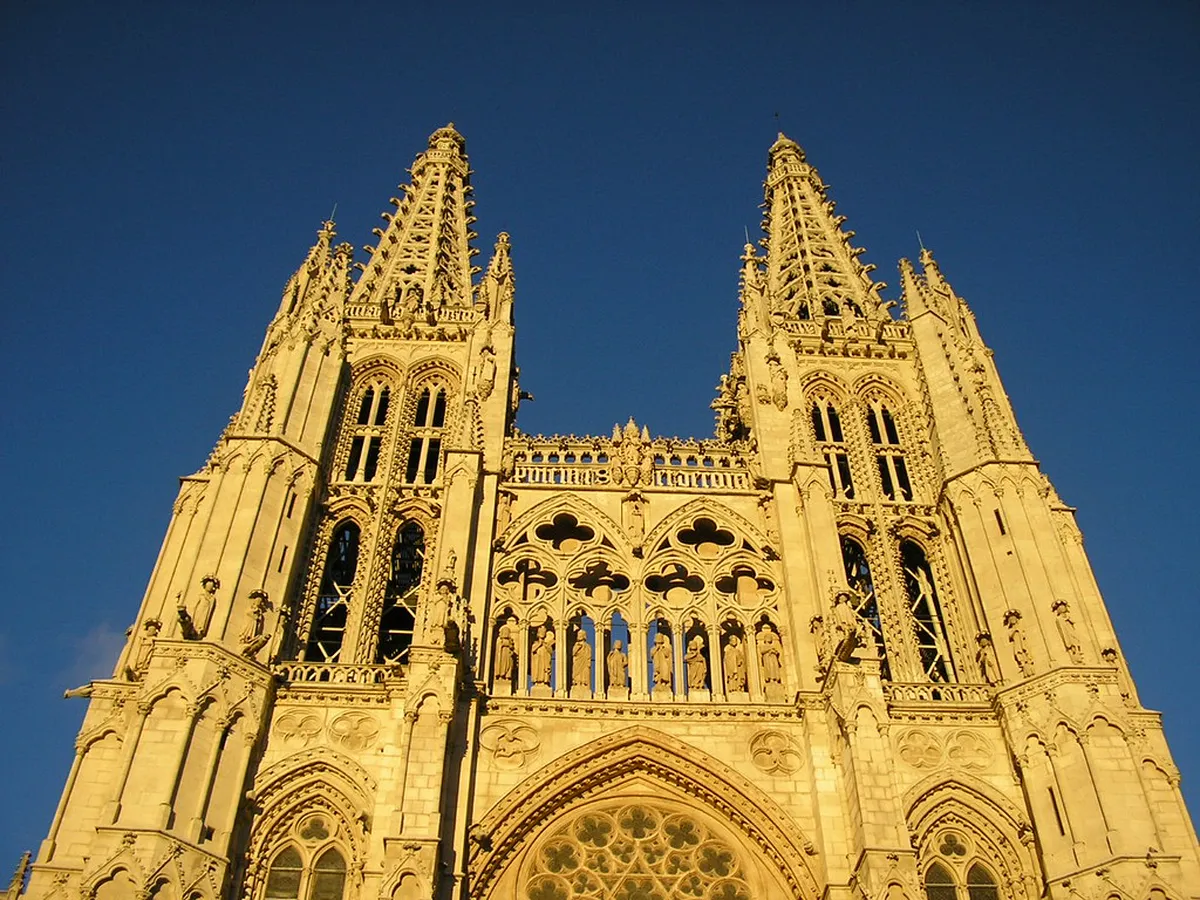
Table of Contents
Tracing Burgos Architecture Through the Ages
Burgos, a historic city in Spain, offers a captivating journey through architectural time. Its buildings tell stories of powerful monarchs and devoted pilgrims. Discover the incredible Burgos architecture guide and its diverse styles. This city stands as a true testament to Spain's rich cultural heritage. Visiting in 2025 will reveal centuries of design evolution. Prepare to explore this fascinating city's stunning structures. Dive into the detailed architectural development timeline of Burgos.
Medieval Foundations and Romanesque Echoes
Burgos began as a strategic fortress in the 9th century. Its early structures served defense and control. The city's location on the Camino de Santiago route proved vital. This pilgrimage brought wealth and diverse influences.
Early medieval architecture was functional and robust. Stone was the primary building material. You can still find remnants of the old city walls. These fortifications protected the burgeoning settlement. Learn more about Burgos city walls history for context.
Romanesque styles appeared in earlier religious buildings. Simple arches and thick walls characterized this period. The Camino de Santiago heavily influenced Burgos. It helped spread these architectural trends. These initial designs laid the groundwork for grander future projects.
Explore smaller chapels and church foundations. They offer glimpses into Burgos's humble beginnings. The Monasterio de San Pedro de Cardeña shows early monastic design. This period established Burgos as a significant regional center.
The Grandeur of Gothic: Burgos Cathedral
The 13th century marked the start of Burgos's Gothic transformation. This era brought soaring heights and intricate details. The undisputed crown jewel is the Burgos Cathedral. Its construction began in 1221, reflecting French Gothic influences.
The cathedral boasts magnificent spires and delicate traceries. Its interior features stunning stained-glass windows. These windows flood the space with vibrant light. Marvel at the intricate gargoyles of Burgos Cathedral. They add a whimsical yet protective touch to the exterior.
Inside, chapels like the Constable's Chapel showcase flamboyant Gothic. Intricate altarpieces captivate visitors. The entire structure represents a pinnacle of Spanish Gothic design. It is a UNESCO World Heritage site for good reason. For more, consult the Gothic architecture guide in Burgos.
Beyond the cathedral, other churches display Gothic elements. The Church of San Nicolás de Bari is another fine example. It features an impressive altarpiece. These buildings collectively define Burgos's medieval character. They draw countless visitors to the city each year.
Renaissance and Plateresque Elegance
The 15th and 16th centuries introduced Renaissance styles to Burgos. This period moved towards classical harmony and proportion. Italian influences merged with Spanish artistic traditions. The result was a unique blend of ornate and balanced designs.
A prime example is the **Casa del Cordón**. This 15th-century palace showcases early Renaissance features. Its façade displays the famous Franciscan cord. This detail gives the building its distinctive name. Learn more about Casa del Cordón history for a deeper understanding.
The Plateresque style truly flourished in Burgos. This intricate style resembled silversmith's work. It combined Gothic, Mudejar, and Renaissance motifs. The Portal of the Coronería at the Cathedral shows Plateresque details. Discover other Plateresque style examples around the city.
Further examples include parts of the Monasterio de las Huelgas. This royal monastery exhibits various architectural layers. Its cloisters combine Romanesque, Gothic, and Mudejar elements. Mudejar art in Burgos showcases Islamic artistic influence. It adds a fascinating dimension to the city's historical buildings.
Baroque Flourishes and Modern Developments
🎯 Insider Tip: Discover the best Burgos experiences with Viator Tours!
The Baroque period brought drama and theatricality to Burgos. Churches often received elaborate decorative makeovers. Ornate altarpieces became central features. The use of gold leaf and intricate carvings was common.
The **Cartuja de Miraflores** provides a stunning transition. It blends late Gothic and early Renaissance elements seamlessly. Its royal tombs and altarpiece are masterpieces. This monument is a must-see for art and history lovers. Plan your visit to the Cartuja de Miraflores.
Later centuries saw the emergence of Neoclassical styles. These designs emphasized symmetry and classical restraint. You can find examples in some civil buildings. They represent a departure from Baroque opulence. Explore the Neoclassical buildings in Burgos.
Modern architecture also has its place in Burgos. Contemporary designs complement the historic landscape. Newer structures often blend old and new elements thoughtfully. This creates a vibrant and evolving urban fabric. Discover how Burgos continues to innovate.
Iconic Landmarks and Architectural Gems
🎯 Insider Tip: Discover the best Burgos experiences with Viator Tours!
Beyond the major styles, Burgos boasts many iconic landmarks. The **Arco de Santa María** stands prominently. It was once a defensive gate and now serves as a triumphal arch. Its statues depict Burgos heroes and kings. Learn about the rich history of Arco de Santa María.
The ruins of **Burgos Castle** offer panoramic views. These ancient stones tell tales of centuries of conflict. Walking through them connects you to the city's origins. Consider exploring the Burgos Castle ruins for historical context. Admission costs vary, typically around €2-€3.
Civil architecture also adds to Burgos's charm. The **Paseo del Espolón** features elegant 19th-century buildings. Their ironwork balconies are particularly striking. These areas invite leisurely strolls. The river Arlanzón is crossed by several historic bridges.
Don't forget to seek out hidden architectural gems. Charming courtyards and intricate doorways abound. Many buildings display unique Burgos architectural details. Keep an eye out for these subtle beauties. They reveal the city's enduring craftsmanship.
Frequently Asked Questions
🎯 Insider Tip: Discover the best Burgos experiences with Viator Tours!
What are the primary architectural styles found in Burgos?
Burgos showcases a remarkable range of architectural styles. You will find strong Romanesque foundations. The city is most famous for its stunning Gothic masterpieces. Renaissance and Plateresque styles also leave an indelible mark. Later periods introduced Baroque, Neoclassical, and modern designs. Each era adds distinct layers to the city's visual tapestry.
How did the Camino de Santiago influence Burgos's architecture?
The Camino de Santiago profoundly shaped Burgos's development. Pilgrims brought new ideas, wealth, and architectural trends. Many churches and monasteries were built along the route. The cathedral itself benefited from pilgrimage donations. This influx of resources fostered artistic and construction advancements. See our full guide on Camino de Santiago influence.
Can I take a guided architectural tour in Burgos in 2025?
Yes, numerous options exist for architectural tours in Burgos. Many local companies offer guided walks. They often focus on the Cathedral and old town highlights. You can also explore self-guided routes using detailed maps. Booking tours in advance for 2025 is recommended. Check out available Burgos architecture tours for current options and pricing.
The history of Burgos architecture is a rich and complex tapestry. From medieval strongholds to Gothic cathedrals, every building tells a story. This city offers a unique glimpse into Spain's artistic evolution. Plan your visit for 2025 to experience it firsthand. Immerse yourself in Burgos's architectural splendor. Start your journey with Architect Tourist today.
Key Takeaways
- Burgos offers diverse architectural styles, from Romanesque to modern.
- The Burgos Cathedral is a prime example of stunning Gothic architecture.
- Look for Plateresque details like those on the Casa del Cordón.