
Arco de Santa María: Burgos' Historic Gate in 2025
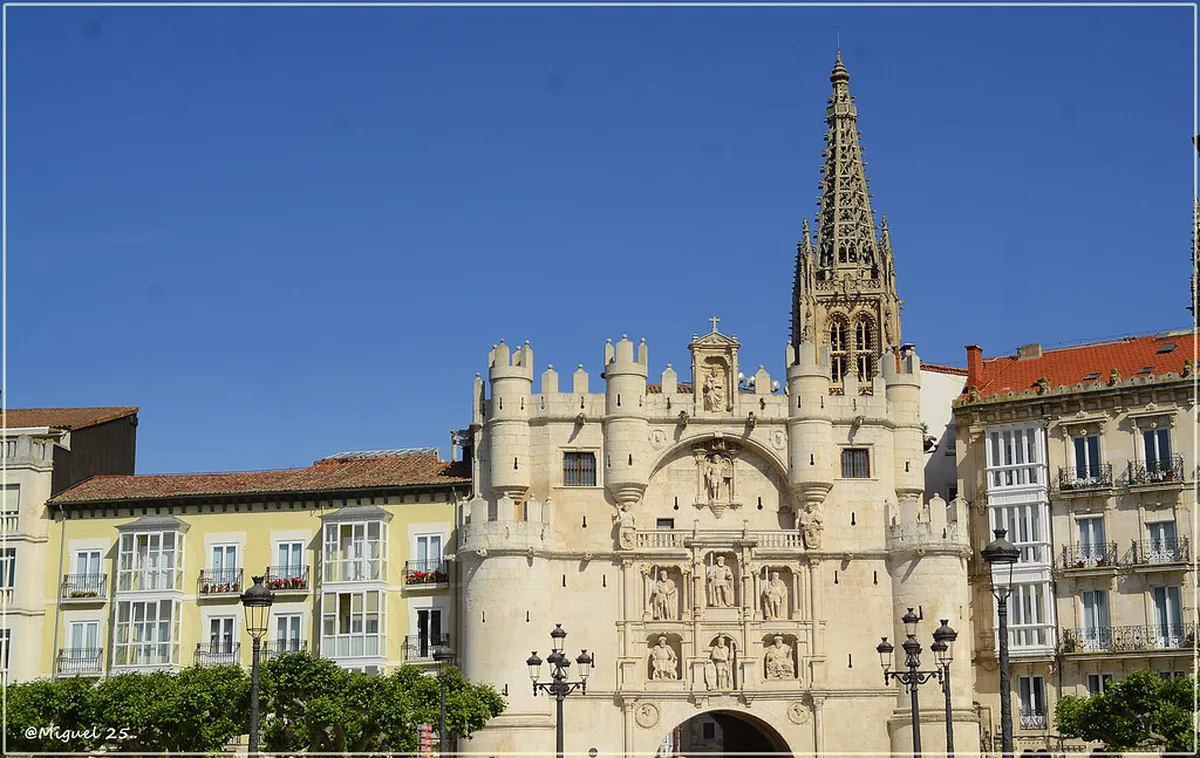
Table of Contents
Unveiling the History of Burgos' Arco de Santa María
The Arco de Santa María stands proudly in Burgos, Spain. This magnificent gate is a true architectural marvel. It once served as a defensive city entrance. Today, it welcomes visitors to the historic center.
Its intricate details tell centuries of stories. This guide explores the arch's fascinating history. Discover its artistic significance and practical visiting tips for 2025. Dive into the Burgos architecture guide for more.
The Ancient Origins of the Arco de Santa María
The Arco de Santa María evolved from an older medieval gate. It was part of Burgos' robust city walls. The original structure dates back to the 11th century. This early gate protected the city from invaders.
King Alfonso VIII first built city walls in the 12th century. The gate was a crucial entry point. It guarded access from the Arlanzón river. The current arch replaced a simpler defensive tower.
Construction began on the new arch in the 14th century. It served primarily a defensive function. Over time, Burgos prospered significantly. The city desired a grander, more symbolic entrance. Learn more about the history of Burgos' city walls.
Architectural Grandeur: Style and Design Elements
The Arco de Santa María underwent major renovation in the 16th century. Juan de Vallejo and Francisco de Colonia led this transformation. They reimagined it as a triumphal arch. This celebrated Emperor Charles V and the city's power.
Its style blends Gothic and Renaissance influences. You can see strong elements of Renaissance Burgos buildings. The impressive facade features six niches. Each niche holds a significant figure from Burgos' past. This design reflects the era's artistic ambitions.
The arch uses limestone from the Hontoria quarries. Its monumental scale is truly remarkable. Look closely at the delicate carvings. These details showcase the era's craftsmanship. The design perfectly balances grandeur and intricate artistry.
Who Are the Famous Figures on the Arch?
Six prominent statues adorn the Arco de Santa María. These figures represent important historical persons. They reflect Burgos' rich legacy and influence. Each statue contributes to the arch's unique narrative.
The central figure is Emperor Charles V. He stands majestically above the main archway. Other statues include Diego Porcelos, founder of Burgos. Fernán González, the first Count of Castile, is also depicted. These leaders shaped the region's early history.
Two legendary judges, Laín Calvo and Nuño Rasura, also feature. They symbolize justice and good governance. Finally, El Cid Campeador, the heroic knight, completes the lineup. His presence highlights Burgos' martial past. Discover more about who the figures on the arch are.
Visiting the Iconic Arco de Santa María in 2025
🌟 Local Expert Tip: Get the most out of your Burgos visit with guided tours!
The Arco de Santa María is a must-see in Burgos. It stands at the end of the beautiful Paseo del Espolón. The arch opens into the Plaza del Rey San Fernando. This plaza leads directly to the Burgos Cathedral.
Admission to the arch itself is generally free. There is a small museum inside the upper floors. Check the official Burgos tourism website for current opening hours. Expect minimal costs, typically a few Euros, for museum access in 2025.
Allow about 30-60 minutes to explore the arch thoroughly. Climb the stairs for panoramic views. You'll see the river and the cathedral spires. Consider a self-guided walking tour of the historic center. This will help you appreciate its context. The best time to visit is often in the morning. Enjoy fewer crowds and excellent light for photos.
Frequently Asked Questions
What is the historical significance of the Arco de Santa María?
The Arco de Santa María symbolizes Burgos' power and independence. It transitioned from a defensive gate to a triumphal arch. This showcased the city's Renaissance grandeur. It honors key figures in Burgos' and Spain's history.
Can visitors go inside the Arco de Santa María in Burgos?
Yes, visitors can go inside the Arco de Santa María. It houses a cultural exhibition space. There are often temporary art displays. You can also access the upper terraces for city views.
Where is the Arco de Santa María located in Burgos, Spain?
The Arco de Santa María is centrally located in Burgos. It stands at the end of the Paseo del Espolón. It bridges the Arlanzón River to the old town. This landmark is very close to the stunning Burgos Cathedral architecture.
The Arco de Santa María remains a captivating landmark. It beautifully blends history, art, and civic pride. This iconic gate offers a deep dive into Burgos' rich past. It truly stands as a testament to the city's enduring legacy.
Plan your visit to experience its majesty firsthand. Explore the surrounding historic center. For more architectural wonders, visit our history of Burgos architecture guide.
Key Takeaways
- The Arco de Santa María transformed from a medieval gate to a Renaissance triumphal arch.
- It features statues of six historical figures, including Emperor Charles V and El Cid.
- Visitors can enter the arch to see cultural exhibits and enjoy panoramic city views.