
El Cid and Burgos Architecture: A Historic Journey
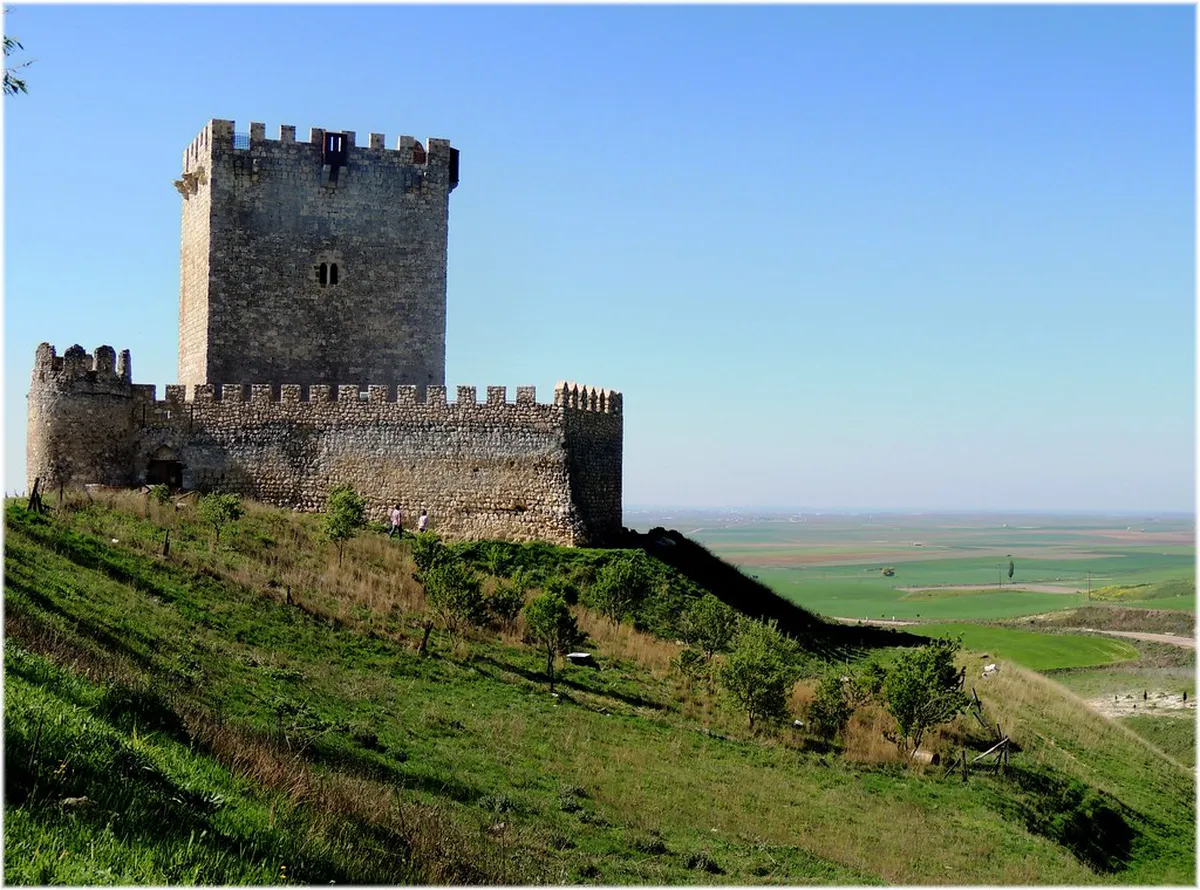
Table of Contents
Discover El Cid's Legacy in Burgos Architecture
Burgos, Spain, offers a fascinating journey through time. The legendary figure of El Cid Campeador profoundly shaped this historic city. His story intertwines with Burgos's magnificent architecture. Discover how medieval structures reflect his enduring legacy. Plan your architectural exploration of El Cid's Burgos in 2025. Learn more about Burgos's incredible architectural heritage here. For a deeper dive into the city's past, explore its rich architectural history.
El Cid's Enduring Presence in Burgos History
Rodrigo Díaz de Vivar, known as El Cid, was a Castilian nobleman. He became a celebrated military leader in medieval Spain. Burgos was his birthplace, making it central to his legend. His life and deeds left an indelible mark on the region. This influence is still visible in the city's ancient structures today.
El Cid lived during a turbulent period in Spain. The Reconquista shaped much of the Iberian Peninsula. His military prowess earned him fame and respect. He fought for both Christian and Muslim rulers. This complex history contributes to his legendary status.
Burgos flourished during El Cid's era and beyond. It served as a vital frontier city. Many buildings from that time no longer stand. However, their spirit influenced later architectural designs. Early medieval styles laid the groundwork for future grand constructions.
The city's strategic importance meant robust defenses. Fortifications were critical for survival and growth. While El Cid's specific architectural commissions are few, his influence spurred development. The need for strong castles and churches grew. These structures protected the city and its people.
The Magnificent Burgos Cathedral: El Cid's Resting Place
The Burgos Cathedral is a UNESCO World Heritage site. It stands as a prime example of Gothic architecture in Burgos. Construction began in 1221, long after El Cid's lifetime. However, it holds a profound connection to the hero. This grand cathedral is the final resting place for El Cid and his wife, Doña Jimena.
Their tomb lies beneath the transept's crossing. This location gives visitors a direct link to the legend. The sarcophagus is simple yet powerful. It serves as a focal point for many travelers. Visitors often pause here to reflect on his legacy.
The cathedral's architecture is breathtaking. Its spires soar skyward, adorned with intricate carvings. The Capilla del Condestable is a highlight. This chapel showcases exquisite Plateresque details. Explore the detailed Burgos Cathedral architecture itself.
Visiting the cathedral in 2025 offers a unique experience. Entry fees are around €9-12 for adults. Check the opening hours for Burgos Cathedral before your visit. Audio guides enhance your understanding of its history. They highlight both architectural marvels and El Cid's story.
The cathedral represents centuries of artistic development. From its foundations to its stained glass, every detail tells a story. While Gothic, it incorporates later styles. This blend makes it a treasure trove for architecture enthusiasts. The presence of El Cid's tomb adds an emotional depth to the visit.
Architectural Sites Linked to El Cid in Burgos
Beyond the Cathedral, Burgos boasts other significant sites. These places connect historically or thematically to El Cid. The Arco de Santa María is one such landmark. This grand gate served as an important city entrance. It was part of the medieval city walls. This gate features statues of notable Burgos figures. El Cid is prominently displayed among them.
The Burgos Castle ruins offer panoramic views. This fortress played a crucial role in medieval Burgos. Although mostly ruins today, its strategic position is evident. El Cid would have known and likely used this formidable structure. It guarded the city from invaders.
The Monastery of Las Huelgas Real is also significant. While founded after El Cid's time, its medieval origins are strong. This royal monastery houses tombs of Castilian royalty. It reflects the power structure of the era. This period directly followed El Cid's legendary campaigns.
Explore the city's ancient defenses. Sections of the old Burgos city walls remain. These walls tell tales of sieges and protection. They echo the need for strongholds in medieval times. Such structures were vital during El Cid's lifetime. He would have appreciated their defensive strength.
Visiting these sites offers a tangible connection to the past. They help visualize the Burgos that El Cid knew. Look for plaques and interpretive signs. These provide historical context for each location. It brings the legend of El Cid to life.
Tracing El Cid's Footsteps: A Self-Guided Tour
🌟 Local Expert Tip: Get the most out of your Burgos visit with guided tours!
Embark on a unique architectural adventure in Burgos. Many sites offer insights into El Cid's world. A self-guided walking tour is an excellent option. Start at the Burgos Cathedral, home to his tomb. Then, walk towards the Arco de Santa María. This path offers a direct link between history and legend.
Continue your journey to the Burgos Castle. The castle ruins provide stunning city views. Imagine El Cid overlooking his homeland from these very battlements. This strategic point was crucial for medieval control. It offers a powerful sense of history.
Consider exploring the surrounding areas. The small village of Vivar del Cid is nearby. This is El Cid's traditional birthplace. While specific architecture from his time is scarce, the atmosphere remains. It deepens your understanding of his origins.
Throughout your tour, pay attention to details. Notice the Romanesque and early Gothic influences. These styles predate or immediately follow El Cid's era. They show the evolution of religious architecture and civil structures. Each stone tells part of Burgos's story.
Plan your route using a city map for 2025. Wear comfortable shoes for walking on cobblestone streets. Allow ample time at each site. This ensures a comprehensive and enjoyable experience. Many architectural sites in Burgos relate to El Cid, offering a rich exploration.
Planning Your El Cid Architectural Adventure in 2025
Visiting Burgos in 2025 promises an enriching experience. The best times are spring and fall. The weather is mild, and tourist crowds are thinner. This allows for comfortable exploration. Summer can be hot and very busy.
Entrance fees for major monuments vary. The Burgos Cathedral costs approximately €9-12. The castle has a small entrance fee or is free to access ruins. Consider purchasing Burgos monument tickets online in advance. This can save time during peak season.
Accommodation options range from budget hostels to luxury hotels. Book well in advance, especially for summer and holidays. Burgos is a popular destination. Check reviews and locations carefully. Many hotels are within walking distance of key sites.
Practical tips for your visit include comfortable walking shoes. The historic center features cobblestone streets. Public transport is efficient for longer distances. Many sites are accessible, but check specific monument details. Consult a Burgos historic center map for easy navigation.
Consider guided tours for deeper insights. Local guides offer expert knowledge. They can highlight hidden architectural gems. These tours often provide a richer historical context. They connect the legend of El Cid with the city's built environment. This helps visualize his impact on Burgos architecture.
Frequently Asked Questions
Where is El Cid's tomb located within Burgos Cathedral?
El Cid and his wife, Doña Jimena, rest within Burgos Cathedral. Their tomb lies directly beneath the central dome. This area is specifically in the transept's crossing. It is a significant pilgrimage site. Learn more about El Cid's tomb in Burgos Cathedral.
The tomb is a simple marble slab. It symbolizes their enduring presence in Burgos. Many visitors come specifically to pay respects. It is an important part of any cathedral tour.
What architectural styles can one expect from El Cid's era in Burgos?
El Cid lived during the 11th century. Architecture from his immediate time is largely Romanesque. This style is characterized by rounded arches and thick walls. However, few pure Romanesque civil buildings remain in Burgos. Many structures were rebuilt in later eras.
The influence of early medieval fortifications is evident. These robust designs focused on defense. Later, Gothic architecture became prevalent in Burgos. The cathedral exemplifies this later style. It shows how the city evolved architecturally over centuries. For more on styles, see our Burgos architecture guide.
Are there any specific buildings in Burgos that El Cid himself lived in or built?
No specific buildings in Burgos are confirmed as El Cid's residence or direct constructions. Most medieval civil buildings from his era are lost. They were often made of less durable materials. Subsequent rebuilding phases transformed the city. His legacy is found in places he frequented or that commemorate him.
The Burgos Cathedral houses his tomb. The Arco de Santa María features his statue. These locations serve as powerful reminders. They honor his historical significance. Explore other significant architectural sites related to El Cid.
Burgos offers a powerful connection to El Cid Campeador. His spirit is woven into the city's impressive architecture. From the grand Cathedral to ancient city gates, his story resonates. Planning your 2025 visit ensures a memorable journey. Explore these sites to truly understand his lasting impact. Consider a Burgos architecture tour for an expert-led experience. Begin your architectural adventure today.
Key Takeaways
🎯 Insider Tip: Discover the best Burgos experiences with Viator Tours!
- Burgos Cathedral is El Cid's final resting place, a must-visit site.
- Explore the Arco de Santa María and castle ruins for historical connections.
- Plan your 2025 trip during spring or fall for the best experience and fewer crowds.