
Guggenheim Museum Architecture: A Bilbao Icon Explored
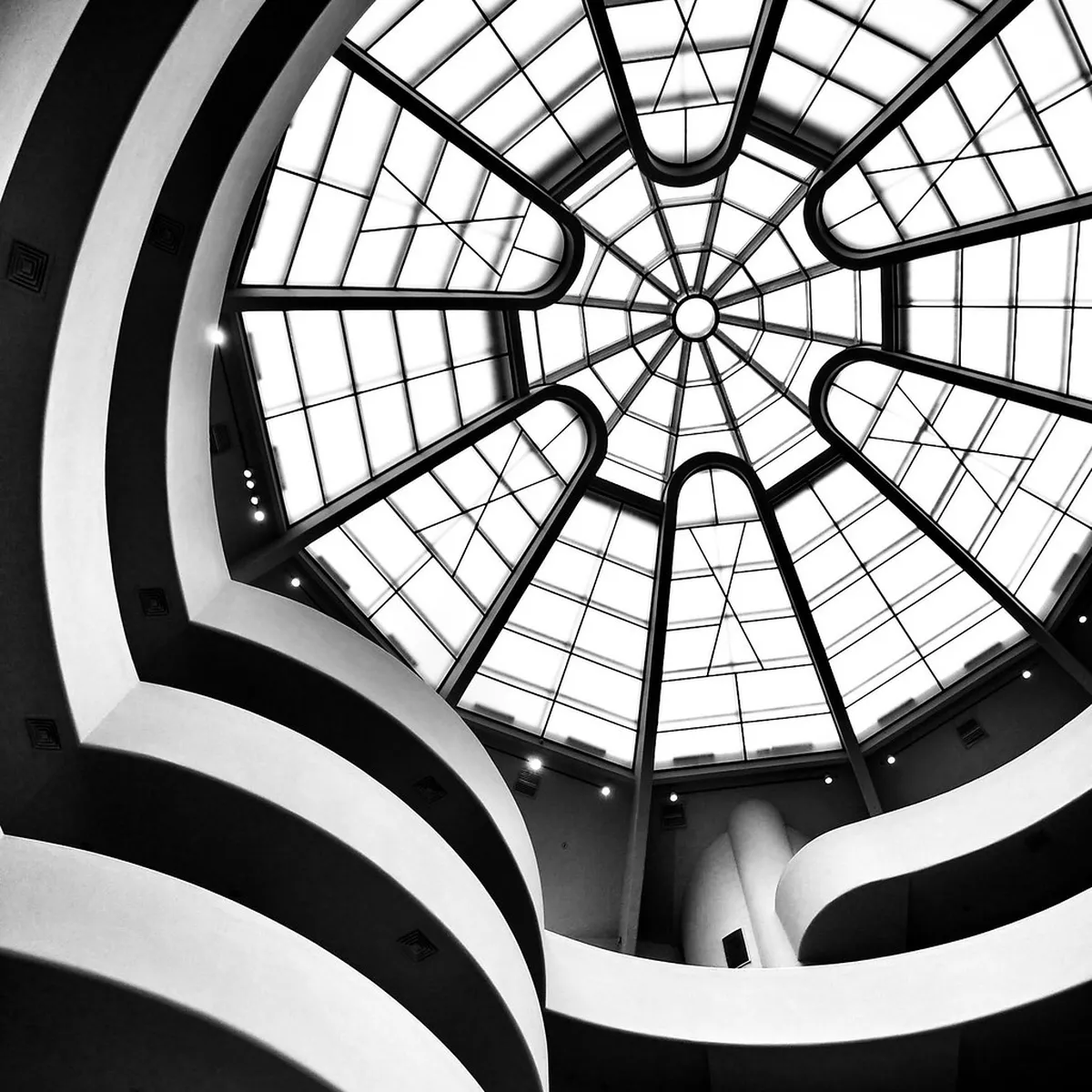
Table of Contents
Exploring the Daring Guggenheim Museum Architecture in Bilbao
The Guggenheim Museum Bilbao stands as a true architectural marvel. Frank Gehry's daring vision transformed the city forever. This guide explores the Guggenheim Museum architecture in detail. It showcases its unique design, innovative materials, and profound urban impact. Prepare to be inspired by this titanium masterpiece in 2025.
Bilbao's transformation began with this incredible structure. The museum put Bilbao on the global map. Many now visit the city specifically for its diverse architectural landscape. Experience how one building can revitalize an entire urban area.
Frank Gehry's Vision: Deconstructivism Defined
Frank Gehry, the renowned architect, conceived the Guggenheim Bilbao. His design embodies the deconstructivist movement. It challenges traditional architectural norms. Gehry's signature style features fragmented and complex forms. This approach creates a sense of dynamic movement.
The museum opened in 1997, marking a pivotal moment. It demonstrated Gehry's mastery of sculptural architecture. He designed the building to resemble a ship. This nod honors Bilbao's industrial and maritime past. Gehry's projects are celebrated worldwide for their bold lines. Explore more of Frank Gehry's iconic buildings during your visit.
Gehry's inspiration often comes from nature and chaos. He used advanced computer-aided design for this project. This technology allowed for complex curves. It ensured precision in every unique panel. This level of detail made the design feasible.
A Symphony of Materials: Titanium, Glass, and Limestone
The Guggenheim Museum's facade is instantly recognizable. It shimmers with thousands of titanium panels. These panels catch the light in ever-changing ways. This effect creates a liquid, organic appearance. The titanium is remarkably thin, adding to its ethereal quality.
Large glass curtain walls contrast with the titanium. They invite natural light into the interior spaces. These transparent sections offer views of the Nervión River. They also frame the surrounding city landscape. The interplay of materials defines the building's character. Discover what the Guggenheim Bilbao is made of in detail.
Local limestone completes the exterior palette. This stone grounds the building in its surroundings. It adds a sense of solidity to the fluid forms. This combination of materials makes the museum unique. These choices highlight the modern architecture in Bilbao. The materials contribute to its stunning visual impact.
Exploring the Interior: Galleries and Grand Atrium
The interior of the Guggenheim Bilbao is as impressive as its exterior. Visitors enter through a magnificent, towering atrium. This space rises 50 meters high. It acts as the central hub of the museum. The atrium connects all the various galleries.
Gehry designed each gallery with unique proportions. Some are traditional rectangles for classic art. Others are irregular or enormous in scale. These unusual spaces accommodate monumental contemporary artworks. The entire design fosters an immersive art experience. Natural light floods many of these exhibition areas.
Three levels of galleries are accessible from the atrium. Curved walkways and glass elevators enhance the experience. They offer stunning views both inside and out. The museum truly blends art and architecture seamlessly. This creates a memorable journey for every visitor. Consider a Bilbao architecture walking tour to appreciate it fully.
The Bilbao Effect: Urban Regeneration and Cultural Impact
🌟 Local Expert Tip: Get the most out of your Bilbao visit with guided tours!
The Guggenheim Museum's arrival sparked incredible urban renewal. This phenomenon is famously known as the "Bilbao Effect." It transformed Bilbao from an industrial city. The city became a vibrant cultural and tourist destination. The museum created thousands of jobs. It attracted millions of visitors annually.
The museum's success led to further investment. New bridges, parks, and buildings emerged. The entire Abandoibarra area was revitalized. This comprehensive master plan for Abandoibarra changed the city. Bilbao is now a model for urban regeneration worldwide. This transformation remains powerful in 2025.
This iconic structure inspired other cities globally. They sought to replicate Bilbao's success. It proved the power of star architecture. The museum remains a symbol of hope and progress. It has fundamentally reshaped Bilbao's identity. Explore more about Bilbao's urban renewal efforts to understand its full scope.
Visiting the Guggenheim: Practical Tips for 2025
Planning your visit to the Guggenheim Museum Bilbao is easy. The museum is located at Abandoibarra Etorb., 2, 48009 Bilbao. It is easily accessible by public transport. Trams stop right outside the museum entrance. Check their official website for current opening hours.
Ticket prices for 2025 typically range from €13-€17 for adults. Discounts are available for students and seniors. Children often enter for free. Booking your Guggenheim tickets online is highly recommended. This saves time and avoids queues, especially during peak season.
Allow at least 2-3 hours to fully explore the museum. This includes both the art and the architecture. Don't forget to photograph the exterior from various angles. The light changes dramatically throughout the day. Consider visiting early morning or late afternoon for fewer crowds and better lighting. The bridge offers excellent angles for Guggenheim photos.
Frequently Asked Questions
What inspired Frank Gehry's design for the Guggenheim Bilbao?
Frank Gehry drew inspiration from Bilbao's maritime past. He designed the building to evoke a ship. He also considered the local industrial heritage. The curves resemble fish scales, another common Gehry motif. Learn more about Gehry's design inspirations for the museum.
What are the main materials used in the Guggenheim Bilbao's construction?
The Guggenheim Bilbao prominently features three materials. These are gleaming titanium, expansive glass, and local limestone. Titanium covers the majority of the exterior. Glass forms light-filled curtain walls. Limestone grounds the structure. Discover more about the materials used.
How much does it cost to visit the Guggenheim Museum Bilbao in 2025?
In 2025, adult admission typically costs between €13 and €17. Prices may vary based on exhibitions. Reduced rates are often available for specific groups. Always check the official website for current pricing. You can also book Bilbao architecture tickets online.
How long should I plan for a visit to the Guggenheim Museum Bilbao?
Most visitors find 2 to 3 hours ideal. This allows time for both the art collections and architectural appreciation. You might spend longer if attending special exhibitions. Consider extra time for photos outside the building. Exploring the surrounding area is also recommended.
The Guggenheim Museum architecture is truly a global landmark. It stands as a testament to visionary design. Frank Gehry's masterpiece continues to inspire visitors. It reminds us of architecture's transformative power. Plan your visit to this magnificent building in Bilbao for 2025. Experience its unique blend of art and structure.
Dive deeper into Bilbao's architectural wonders beyond the Guggenheim. Consider taking a self-guided architecture tour. You can use a Bilbao architecture map to explore other iconic sites. The city offers a rich tapestry of designs to discover.
Key Takeaways
- The Guggenheim Bilbao is a Frank Gehry masterpiece, embodying deconstructivist architecture.
- Its shimmering titanium, glass, and limestone facade makes it a unique visual icon.
- The museum's opening spurred the 'Bilbao Effect,' revitalizing the city's economy and culture.
- Plan 2-3 hours for your visit in 2025 and book tickets online to save time.
- Explore the interior's grand atrium and diverse galleries, designed to complement the art.