
Guggenheim Bilbao Materials: What is it Made Of?
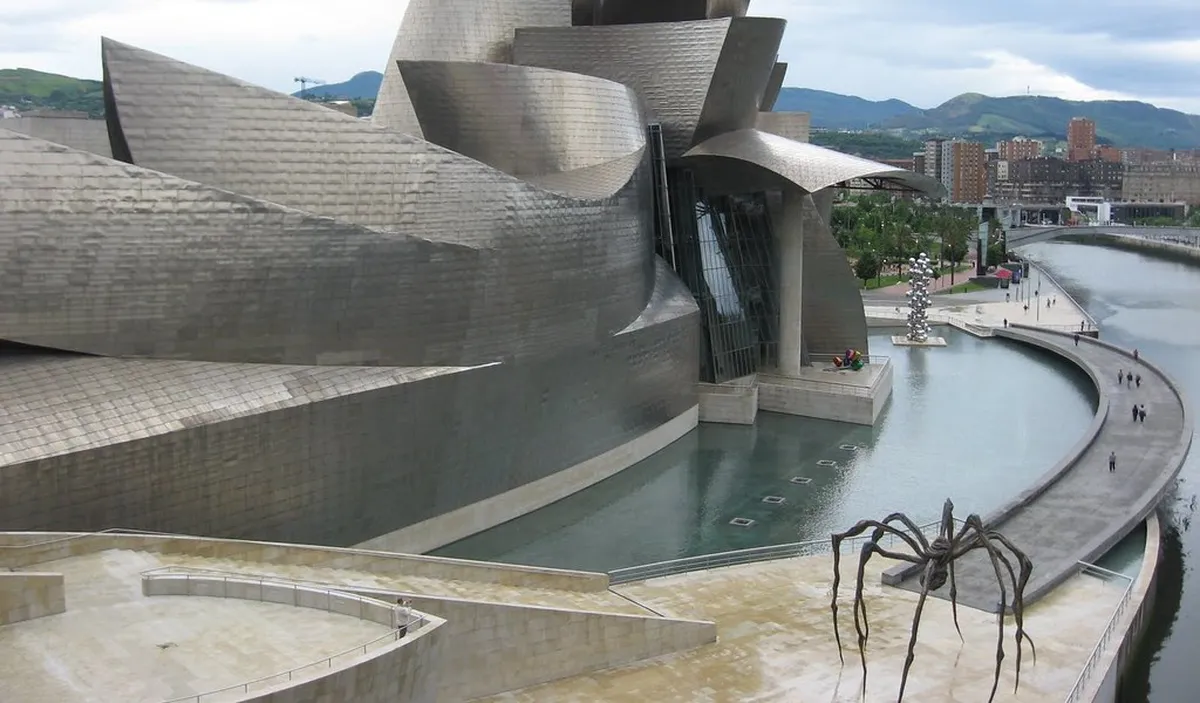
Table of Contents
Explore the Unique Materials of Guggenheim Bilbao
The Guggenheim Museum Bilbao stands as a global architectural icon. Many visitors wonder what the Guggenheim Bilbao is made of. Its shimmering exterior captivates all who see it. This masterpiece by Frank Gehry uses specific materials.
These materials contribute to its unique, organic form. They reflect Bilbao's industrial past and bright future. Understanding them enhances your visit to this Spanish gem. Explore more about the Guggenheim Museum Bilbao architecture and Bilbao's architectural guide in 2025.
The Iconic Titanium Skin of Guggenheim Bilbao
The most striking feature is its titanium cladding. Frank Gehry chose this material for its unique properties. It shimmers and shifts colors with the changing light. This creates a dynamic, living facade.
Approximately 33,000 titanium panels cover the museum. Each panel measures about 0.38 millimeters thick. The titanium offers surprising lightweight durability. It resists corrosion extremely well in Bilbao's climate.
Gehry initially considered stainless steel for the exterior. He found titanium offered a warmer, more organic feel. The material perfectly complements the building's fluid shapes. It truly defines the museum's outer appearance, reflecting Gehry's design inspiration. Discover the best angles for photos of this unique surface.
Limestone Base: Grounding the Architectural Marvel
Underneath the titanium, a warm limestone anchors the structure. The museum uses light-colored Spanish limestone. This stone provides a strong, stable base. It contrasts beautifully with the metallic curves above.
The limestone originates from the quarry of Huéscar near Granada. Its subtle texture and color evoke local traditions. This natural stone connects the building to its Spanish setting. It offers a sense of permanence and grandeur.
You can see the limestone prominently on the river-facing side. It also features in the museum's entrance areas. This material grounds the soaring titanium forms. It creates a harmonious balance of old and new, vital for modern architecture in Bilbao. It also plays a role in Bilbao's urban renewal efforts.
Glass Walls: Flooding the Interior with Light
Expansive glass panels invite natural light inside. Large sections of the building feature transparent walls. These windows offer stunning views of the Nervion River. They also connect visitors with the surrounding city.
The glass walls allow sunshine to illuminate art galleries. This thoughtful design creates an open atmosphere. It blurs the lines between indoor and outdoor spaces. The natural light enhances the artwork presented.
Frank Gehry carefully integrated these glass elements. They contribute to the museum's overall organic flow. The transparency softens the building's massive scale. It helps guests feel more connected to the public art outside.
Steel Structure: The Skeleton of a Masterpiece
🎯 Insider Tip: Discover the best Bilbao experiences with Viator Tours!
Beneath the skin lies a complex steel framework. This skeleton supports the museum's intricate forms. Gehry used computer-aided design software for its creation. It allowed for precision in the unique shapes.
The internal steel beams enable the dramatic cantilevers. They provide stability to the entire structure. This engineering feat is truly remarkable. It brings Gehry's bold visions to life seamlessly.
The steel frame is not visible to most visitors. However, it is crucial to the museum's integrity. It ensures the building's enduring strength. Learn more about Frank Gehry's buildings in Bilbao.
Why These Materials? Gehry's Vision
Frank Gehry selected these materials purposefully. He sought to create a timeless landmark. The titanium evokes fish scales, reflecting the river. The limestone grounds it to local geology.
The materials also interact with Bilbao's environment. The titanium subtly changes color under varying light. This dynamic quality makes the building feel alive. It offers a unique experience with every visit.
Gehry's choice reflects both innovation and context. The industrial feel nods to Bilbao's past. Yet, the fluid forms speak to a modern future. Understanding what the Guggenheim Bilbao is made of reveals Gehry's genius. Explore more about Guggenheim Museum architecture or take a Bilbao architecture walking tour.
Frequently Asked Questions
⭐ Recommendation: Don't miss out on amazing Bilbao tours - book now!
What is the main exterior material of the Guggenheim Bilbao?
The Guggenheim Bilbao is primarily clad in shimmering titanium panels. These panels give the museum its distinctive, fluid appearance. They reflect light beautifully, changing colors throughout the day. It's truly a marvel of modern design, showcasing Bilbao's modern architecture.
Is the Guggenheim Bilbao made of stone as well?
Yes, the museum incorporates light-colored limestone in its construction. This stone forms the building's solid base. It provides a striking contrast to the metallic titanium skin. The limestone helps ground the sculptural form. For more on the building, see Guggenheim Museum architecture.
Does the Guggenheim Bilbao use glass extensively?
Absolutely, large sections of the Guggenheim Bilbao feature glass walls. These transparent elements allow natural light to flood the interiors. They also offer visitors panoramic views of the surrounding city and river. The use of glass creates an open, welcoming atmosphere for guests, enhancing the Bilbao museums architecture experience.
The Guggenheim Bilbao’s materials tell a story of innovation. Its titanium, limestone, and glass combine for a unique aesthetic. These choices reflect Frank Gehry's genius and vision. Plan your visit to experience this architectural wonder in 2025.
Seeing its surfaces interact with light is truly unforgettable. Discover more about this iconic landmark. For an in-depth look, explore the Guggenheim Museum architecture details. It's a must-see for any architecture enthusiast in Spain.
Key Takeaways
- The Guggenheim Bilbao is famously clad in 33,000 shimmering titanium panels.
- A base of warm Spanish limestone provides stability and local connection.
- Extensive glass walls flood the interior with natural light and offer city views.
- A complex steel skeleton supports the building's iconic, fluid forms.
- These materials were chosen by Frank Gehry for their aesthetic and environmental interaction.