
Trencadís Mosaic Technique: Barcelona's Artistic Legacy in 2025
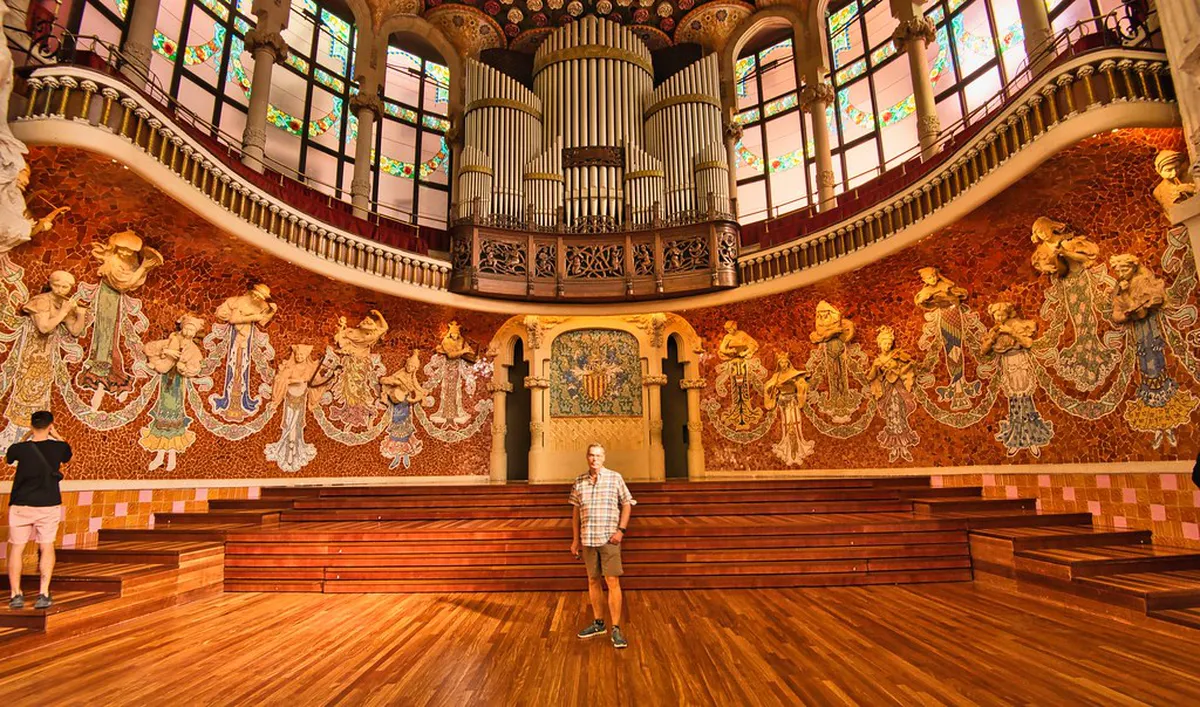
Table of Contents
Discover Trencadís Mosaic: Gaudí's Barcelona Masterpiece
Barcelona bursts with vibrant artistic wonders. The unique Trencadís mosaic technique defines much of its iconic style. This distinctive art form uses broken ceramic tiles. It creates stunning, irregular, and colorful surfaces. Antoni Gaudí, a master architect, made it world-famous.
You can discover this vibrant art everywhere. It adds incredible beauty to many city landmarks. This guide explores its origins and lasting impact. It offers tips for finding Trencadís in 2025. Begin your journey with our Barcelona architecture guide. Many Gaudí's famous buildings showcase this unique technique.
What is Trencadís? History and Origins in Barcelona
Trencadís, meaning 'broken' in Catalan, involves fragmented materials. Artisans break ceramic tiles, glass, or pottery. These pieces then form vibrant, artistic mosaics. This technique skillfully avoids material waste. It instead creates incredibly dynamic surfaces.
Its roots trace back to ancient Roman mosaics. However, Trencadís truly evolved in Catalan Modernisme. Architects sought new and expressive decorative methods. They moved away from rigid, traditional art forms. This allowed for greater artistic freedom. You can learn more about Catalan Modernisme architecture.
Early 20th-century Barcelona quickly embraced it. This innovative approach transformed buildings. Architects integrated these colorful fragments everywhere. It became a distinctive feature of the city's identity. Explore Barcelona's rich architectural history for context. It highlights Trencadís as a pivotal development.
The technique offered immense artistic versatility. It allowed for playful and organic designs. The fragmented pieces beautifully caught the natural light. This created shimmering, ever-changing surfaces. Trencadís quickly became synonymous with modern Barcelona.
Antoni Gaudí: The Master Innovator of Trencadís
Antoni Gaudí stands as the greatest Trencadís master. He perfected this broken mosaic technique. Gaudí embraced its vibrant, irregular beauty. He used broken tiles, glass, and pottery shards. This brought new textures and colors to his designs. His architectural work became instantly recognizable.
Gaudí believed in drawing from natural forms. Trencadís allowed him to create organic shapes. It mimicked nature's imperfections perfectly. He applied it extensively across his projects. This included building facades, intricate roofs, and interior spaces. It was central to Gaudí's design philosophy.
He collaborated closely with Josep Maria Jujol. Jujol was a talented architect and designer. Together, they explored new ways to use discarded materials. Their innovative spirit defined much of Gaudí's iconic work. Their experiments shaped the application of Trencadís.
Gaudí's genius elevated Trencadís beyond simple decoration. He used it to tell stories. The mosaics often depicted nature, religion, or Catalan identity. This made each piece both beautiful and meaningful. Visitors worldwide flock to see his creations. Discover how to spot Trencadís in Gaudí's work.
Iconic Barcelona Sites Featuring Trencadís
Barcelona is truly a living museum of Trencadís. Many iconic sites proudly display this art. Planning your visit in 2025 is very straightforward. You can explore these wonders at your own pace. Each offers a unique perspective.
- Park Güell: This UNESCO World Heritage site offers the most extensive Trencadís. See the famous mosaic lizard, long serpentine benches, and vibrant pavilions. Entry costs around €10-€15 for the monumental zone. Book tickets online for specific time slots to avoid queues. Explore the incredible Park Güell architecture.
- Casa Batlló: Its extraordinary roof features an exquisite Trencadís mosaic. The shimmering, dragon-like scales change color with the light. Admission is typically €30-€35, open daily. Check specific times online for your 2025 visit. Learn more about Casa Batlló details before arriving.
- Sagrada Família: Look closely at the Nativity Façade. You will find subtle but beautiful Trencadís details. While less prominent than other sites, it adds complexity. Tickets range from €26-€40. The Sagrada Familia architecture is a marvel.
These sites represent the pinnacle of Gaudí's Trencadís application. They offer stunning photo opportunities. Consider a guided Gaudí architecture tour. It provides deeper insights into his artistic vision.
Beyond Gaudí: Other Modernisme Trencadís Examples
💡 Pro Tip: Book your Barcelona adventures in advance through Viator for the best deals!
While Gaudí is the most famous, other architects used Trencadís. This mosaic technique was popular across Modernisme. It allowed for expressive and colorful ornamentation. Many beautiful examples exist throughout Barcelona.
Palau de la Música Catalana: This stunning concert hall is a UNESCO site. Lluís Domènech i Montaner integrated Trencadís here. It features in its vibrant mosaics and sculptural elements. Guided tours cost about €20-€25. The interior is a feast for the eyes. Discover the beauty of the Palau de la Música Catalana.
Hospital de Sant Pau: Another masterpiece by Domènech i Montaner. This former hospital complex boasts extensive Trencadís. Look for it on domes, facades, and pavilions. It brings color and life to a place of healing. Entry fees are around €15-€20. It's a peaceful and fascinating visit.
Architect Josep Puig i Cadafalch also employed Trencadís. His work, like Casa Amatller, features detailed mosaics. These contribute to the building's distinct character. These examples show the breadth of this artistic trend. They are essential stops on any Modernisme walking route.
Understanding the Trencadís Mosaic Technique
Creating Trencadís is a truly meticulous process. Artisans first source their raw materials. They often use discarded ceramic tiles, glass, and pottery. Old plates, cups, and even bottles were common. This recycled approach was very innovative.
The chosen materials are then carefully broken. Workers use hammers or specialized tools. Pieces are fragmented into various sizes and shapes. This creates diverse textures and visual interest. Each fragment contributes uniquely to the overall design.
These fragments are then meticulously arranged. They are applied to a surface using cement mortar. The mosaic artist plans the color flow and pattern. This careful arrangement creates intricate, flowing designs. No two Trencadís pieces are ever completely identical.
Finally, grout fills the gaps between the fragments. This secures the pieces firmly in place. It also creates a cohesive, often smooth, finish. The final result is both durable and incredibly beautiful. This makes Trencadís ideal for outdoor art. For a deeper dive, read about what is the Trencadís mosaic style.
The technique also embodies early principles of sustainability. It ingeniously repurposes discarded ceramics. This significantly reduces waste in construction. It stands as an early form of artistic recycling. Gaudí's commitment to nature extended to his material use.
Frequently Asked Questions
How did Gaudí develop the Trencadís mosaic technique?
Gaudí primarily developed it with Josep Maria Jujol. Jujol was a talented architect and close collaborator. They explored new, artistic uses for discarded materials. This innovative spirit defined much of their joint work. Their experiments shaped Gaudí's design philosophy.
Can I take a Trencadís workshop in Barcelona in 2025?
Yes, several art workshops are available. Many local art schools offer short courses. You can learn to create your own Trencadís mosaics. Search for 'Trencadís workshop Barcelona' online for options. It's a fantastic, hands-on artistic experience. Some Gaudí architecture tours may even include such activities.
Is Trencadís only found in Barcelona or Spain?
While most famous in Barcelona, similar mosaic techniques exist. Mosaics made from broken pottery appear globally. Gaudí's influence spread this specific style widely. However, Barcelona remains its most significant home. You can find more global insights on Architect Tourist.
What kind of materials are used in Trencadís?
Trencadís typically uses various broken ceramics. These include glazed tiles, plates, and pottery shards. Glass fragments and mirrors are also common. Gaudí even incorporated recycled bottles into his designs. The material choices add to the mosaic's unique texture.
The Trencadís mosaic technique is truly captivating. It vividly defines Barcelona's artistic spirit. Antoni Gaudí's genius brought it to life beautifully. Exploring these colorful mosaics is an unforgettable experience. Plan your visit to see them in 2025. Discover this vibrant art form yourself. Take a self-guided architecture walk to find more hidden gems.
Key Takeaways
- Trencadís uses broken ceramic, glass, or pottery fragments.
- Antoni Gaudí is the most famous master of this mosaic style.
- Park Güell, Casa Batlló, and Palau de la Música are prime examples.
- It's a sustainable and visually rich art form, integral to Modernisme.
- Barcelona offers countless places to admire this unique artistic technique.