
Spotting Trencadís in Gaudi's Work: Barcelona Guide
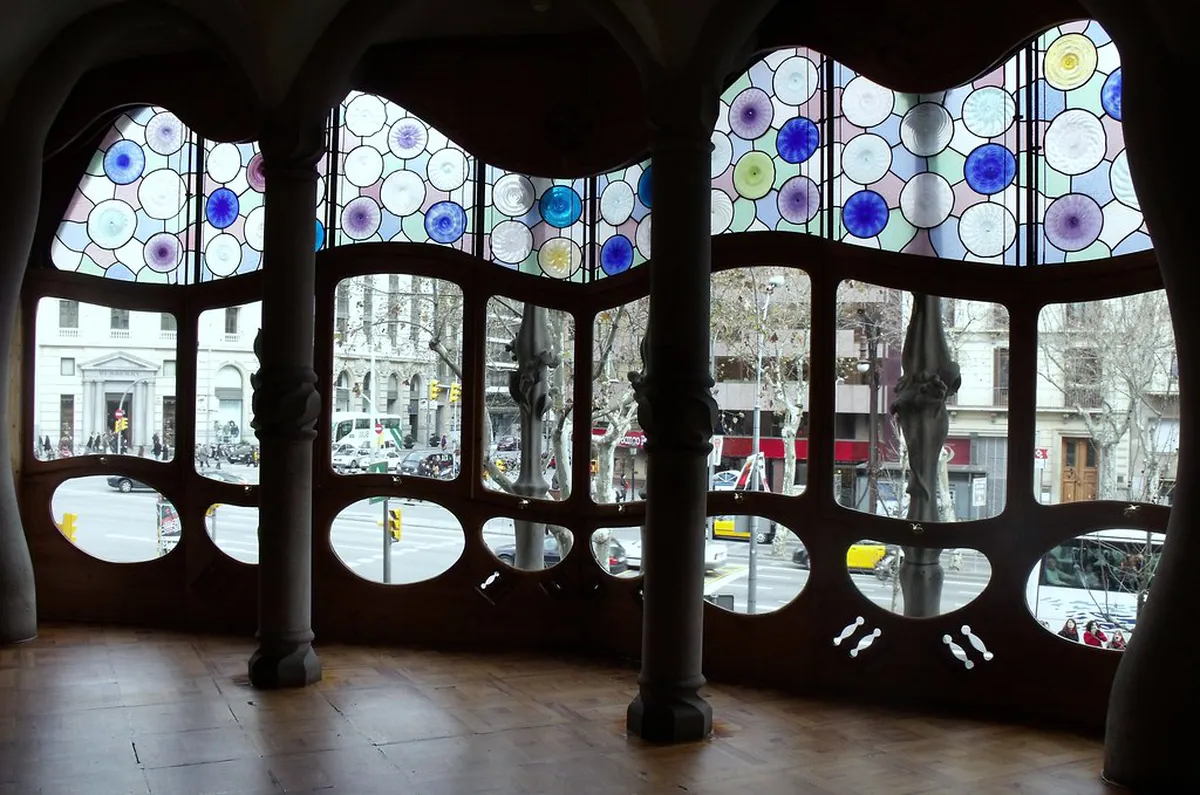
Table of Contents
How to Spot Trencadís in Gaudi's Barcelona Masterpieces
Barcelona’s streets display an undeniable artistic flair. Antoni Gaudí's unique vision shaped much of this beauty. He masterfully used a special mosaic technique called trencadís. This guide will show you how to spot trencadís in Gaudi's work across the city. Prepare to uncover hidden details on your Barcelona architecture guide. Understanding this art enhances your visit to his masterpieces.
Trencadís involves broken ceramic tiles, glass, and other materials. Gaudi used these fragments to create vibrant, textured surfaces. This method offered both decorative beauty and structural protection. Learn about the trencadís mosaic technique before your next Barcelona adventure in 2025.
Understanding Gaudi's Trencadís: A Unique Mosaic Art
Trencadís is a signature element of Catalan Modernisme. It refers to a type of mosaic made from broken pieces. Gaudi perfected this technique, transforming scraps into art. He often used discarded ceramic tiles and glass fragments. This approach allowed for vibrant colors and irregular patterns.
Gaudi collaborated with Josep Maria Jujol on many projects. Jujol's artistic touch greatly influenced the use of trencadís. Together, they created flowing, organic designs. These mosaics often feature swirling lines and bold color contrasts. Look for the deliberate randomness in the patterns.
The technique was not merely decorative. Trencadís provided a durable, weather-resistant surface. It protected buildings from Barcelona's climate elements. The fragmented pieces caught light beautifully, adding dynamic texture. This reflected Gaudi's innovative design philosophy.
You will often see trencadís on curved surfaces. Gaudi preferred organic shapes over straight lines. The small, irregular pieces perfectly adapted to these curves. This created a seamless, continuous mosaic skin. Observe how the pieces fit together on various architectural elements.
Identifying true trencadís involves recognizing its fragmented nature. Look closely at the individual pieces. They are rarely uniform squares. Instead, expect diverse shapes and sizes, pieced together like a puzzle. This intricate detail sets it apart from traditional mosaics.
Park Güell: Gaudi's Grand Trencadís Showcase
Park Güell offers an exceptional display of trencadís. It is arguably the best place to see this technique. The iconic dragon sculpture at the entrance is a prime example. Its skin shimmers with green, blue, and yellow fragments. This creature has become a symbol of Barcelona.
The main terrace's serpentine bench is another highlight. This long, curving bench features intricate trencadís. It uses a mix of ceramic tiles, glass, and even discarded bottles. The colors and patterns are mesmerizing and varied. Pay attention to the subtle storytelling within the mosaic designs.
Throughout the park, you will find trencadís everywhere. The viaducts, gatehouses, and even fountain details use it. Each section presents a different color scheme or motif. The park entrance fee is around 10-15 EUR, making it accessible. Booking your Park Güell architecture tickets online is highly recommended for 2025.
Look up at the ceilings inside the Hypostyle Room. Circular medallions adorned with trencadís decorate the vaults. These represent various celestial bodies or natural elements. They showcase Gaudi's connection to nature. The mosaics contribute to the magical atmosphere of the space.
The park's playful and vibrant nature comes alive through trencadís. You can easily spend hours exploring its every corner. Don't forget to look for smaller details on columns and walls. These smaller touches demonstrate the breadth of Gaudi's artistic vision. Consider a Gaudi architecture tour for deeper insights.
Casa Batlló and Casa Milà: Trencadís in Urban Dwellings
Gaudi's residential buildings also feature trencadís, though often more subtly. Casa Batlló, known as the 'House of Bones,' is a stunning example. Its facade shimmers with a mosaic of broken ceramic and glass. This creates a scaled effect, resembling a dragon's skin. The blues, greens, and purples shift with the daylight.
The rooftop of Casa Batlló showcases vibrant trencadís chimneys. These are distinct and playfully sculpted. Each chimney boasts a unique combination of colors and fragments. They add to the building's fantastical silhouette. Entry costs around 35 EUR, but the facade is visible from the street.
Casa Milà, or La Pedrera, presents a different application of trencadís. While its exterior is primarily stone, the rooftop chimneys are spectacular. These sculptural forms are clad in trencadís, using earthy tones. The mosaic blends seamlessly with the building's organic shapes. Visiting the roof offers incredible views and details.
Unlike Park Güell's bold displays, the trencadís here often serves functional purposes too. It protects the chimneys from weathering. The mosaic also reflects light, making the architectural forms stand out. Discover more about Casa Batlló details during your visit. Explore the unique application of Trencadís in these urban masterpieces.
While the interiors of these homes are breathtaking, focus on the exterior and rooftop. The fragmented mosaics are most prominent there. Notice how the colors and textures reflect the building's overall theme. Each piece contributes to a larger artistic statement. The rooftop visit for Casa Milà is included in the entrance fee, about 28 EUR.
Sagrada Familia: Trencadís with a Modern Twist
⭐ Recommendation: Don't miss out on amazing Barcelona tours - book now!
The Sagrada Familia, Gaudi's unfinished masterpiece, also incorporates trencadís. While less prevalent on the older facades, modern additions use it. The Glory Façade, currently under construction, features trencadís. This shows how the technique evolves with the building.
Look closely at the bell towers' pinnacles. Many are adorned with brightly colored trencadís. These intricate mosaics cap the towers, reflecting sunlight. They add a celebratory finish to Gaudi's soaring structures. The vibrant colors stand out against the stone.
Inside, specific areas also feature trencadís, particularly on stained-glass windows or altar elements. Gaudi envisioned a harmonious blend of materials. The mosaic fragments contribute to the overall spiritual atmosphere. The light filtering through creates dazzling effects.
Modern architects continuing Gaudi's work respect his use of trencadís. They integrate it into new sections and decorative elements. This ensures continuity with Gaudi's original vision. The Sagrada Familia is a living testament to Gaudi's famous buildings. It constantly evolves with these artistic techniques.
When visiting, observe the different ages of the building. You can trace the evolution of trencadís application. From the subtle historical examples to the bold contemporary additions. Entrance tickets range from 26-40 EUR. Always book tickets for Sagrada Familia architecture online in advance for 2025.
Practical Tips for Spotting Trencadís on Your Barcelona Tour
To truly appreciate trencadís, observe with intent. First, look for curved surfaces on buildings. Gaudi often applied mosaics to organic shapes. These are perfect canvases for fragmented art. The irregular pieces conform beautifully.
Second, seek out vibrant colors and reflective surfaces. Trencadís often incorporates brightly colored ceramics and glass. These materials catch the light, creating a sparkling effect. Even on cloudy days, the texture is apparent. Remember to look for both subtle and bold applications.
Third, examine the individual pieces. True trencadís uses broken, irregular fragments. You should not see perfectly cut, uniform tiles. The charm lies in the imperfections. This distinguishes it from traditional, ordered mosaics.
Consider a guided tour focusing on Gaudi. Expert guides can point out specific trencadís details. They offer valuable context and insights. Many tours cover Park Güell, Casa Batlló, and Sagrada Familia. A self-guided architecture walk with a good map also works well.
Remember to bring a good camera for detailed shots. The intricate patterns of trencadís are highly photogenic. Plan your visits during morning or late afternoon. The changing light can dramatically alter the appearance of the mosaics. Wear comfortable shoes for extensive walking to fully explore. Check opening hours and book tickets for all major sites online for 2025 via skip-the-line architecture tickets.
Frequently Asked Questions
What materials did Gaudi use for trencadís?
Gaudi commonly used broken ceramic tiles for trencadís. He also incorporated glass, bottles, and other discarded materials. This innovative approach transformed waste into beautiful art. This practice reflected his resourcefulness and unique style. You can learn more about the trencadís mosaic style.
Which Gaudi building has the most trencadís?
Park Güell features the most extensive use of trencadís. Its serpentine bench, dragon, and gatehouses are covered. It is a true outdoor museum of this mosaic art. Casa Batlló also boasts significant trencadís on its facade and roof. Discover more about Gaudi's lesser-known works to find other examples.
Why did Gaudi use trencadís in his architectural designs?
Gaudi used trencadís for several key reasons. It was aesthetically pleasing, offering vibrant colors and textures. Functionally, it provided a durable and weather-resistant surface. The technique also allowed him to adapt to curved forms easily. This aligned with his organic architectural vision. It was an economical choice too, using recycled materials.
Can you see trencadís inside Gaudi's buildings?
Yes, trencadís appears inside some of Gaudi's buildings. While more prominent on exteriors, subtle interior uses exist. For example, some ceilings in Park Güell’s Hypostyle Room feature it. Certain elements within Casa Batlló and Sagrada Familia also show this technique. Look for these unique touches on your Barcelona architecture map.
Spotting trencadís in Gaudi's work is a rewarding experience. This unique mosaic technique defines much of his iconic architecture. From Park Güell's vibrant curves to Casa Batlló's shimmering facade, it is everywhere. Keep your eyes open for the broken pieces and flowing designs. Plan your 2025 Barcelona trip to discover these artistic marvels. For a deeper dive into Barcelona's architectural wonders, explore Catalan Modernisme architecture. Happy exploring!
Key Takeaways
- Look for irregular, broken ceramic and glass pieces on curved surfaces.
- Park Güell is the best place to see extensive, vibrant trencadís.
- Casa Batlló and Casa Milà feature more subtle, yet stunning, trencadís details.
- The Sagrada Familia incorporates trencadís, especially on modern tower pinnacles.
- Focus on the varied colors and textures; each fragment contributes to the whole.