
Barcelona's Modernisme Walking Route: An Itinerary Through Art Nouveau Masterpieces
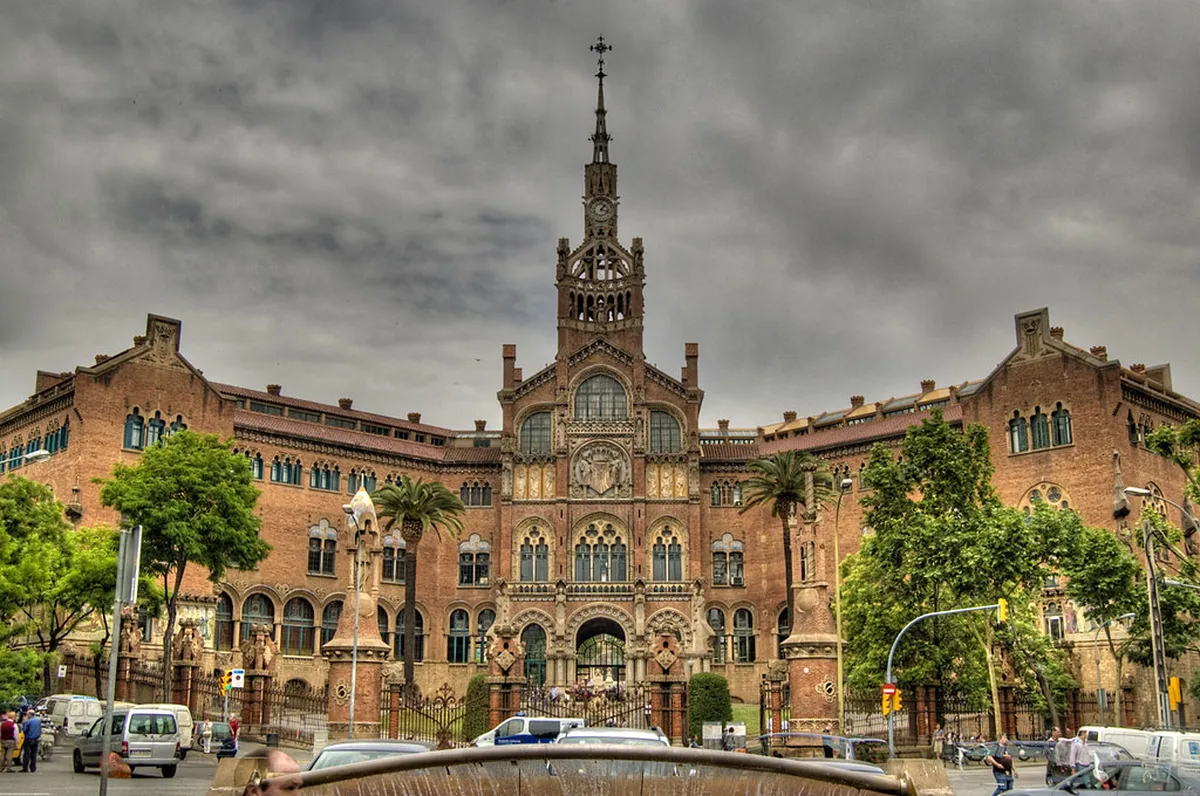
Table of Contents
The Ultimate Modernisme Walking Route: Discover Barcelona's Architectural Gems
Understanding Catalan Modernisme: A Brief Overview
Before we begin our architectural journey, it's essential to understand what defines Catalan Modernisme architecture. This unique movement, which flourished predominantly in Catalonia, drew inspiration from nature, often incorporating organic forms, intricate ironwork, stained glass, and the famous trencadís mosaic technique. It was a reaction against industrialization, seeking beauty and craftsmanship in every detail. Architects like Gaudí pushed boundaries, creating buildings that were not just structures but sculptural works of art, imbued with symbolism and a deep connection to their surroundings. Exploring Barcelona is like walking through an open-air museum, showcasing the rich history of Barcelona's architecture and the genius of its Modernista masters.
Starting Point: Passeig de Gràcia and the Manzana de la Discordia
Our Modernisme walking route begins on Passeig de Gràcia, one of Barcelona's most elegant avenues and home to an extraordinary concentration of Modernista buildings, particularly within the famous 'Block of Discord' (Manzana de la Discordia). This single block showcases the distinct styles of three prominent Modernista architects: Antoni Gaudí, Lluís Domènech i Montaner, and Josep Puig i Cadafalch. Begin at Casa Lleó i Morera, designed by Domènech i Montaner, known for its intricate carvings and rich ornamentation. Next, admire Casa Amatller by Puig i Cadafalch, an impressive neo-Gothic facade with Flemish influences. The highlight here, however, is undoubtedly Gaudí's Casa Batlló, a UNESCO World Heritage site. Its wavy facade, skull-like balconies, and dragon-scaled roof make it an unforgettable stop, embodying Gaudí's unique design philosophy.
Gaudí's Masterpiece: Casa Milà (La Pedrera)
Continue north along Passeig de Gràcia for a short walk to another of Gaudí's most celebrated works, Casa Milà, affectionately known as La Pedrera (The Stone Quarry). Completed in 1912, this building stands as a testament to Gaudí's boundless creativity and engineering prowess. Its undulating stone facade, devoid of straight lines, mimics a natural rock formation, while the iconic rooftop features whimsical chimneys and ventilation shafts resembling an army of warriors. Exploring its interior and rooftop offers deep insights into Gaudí's famous buildings and his innovative use of natural light and organic forms. This building is a must-see on any comprehensive Barcelona architecture guide.
A Symphony of Modernisme: Palau de la Música Catalana
🌟 Local Expert Tip: Get the most out of your Barcelona visit with guided tours!
From Passeig de Gràcia, take a pleasant walk or a short metro ride towards the historic Sant Pere neighborhood to discover the magnificent Palau de la Música Catalana. Designed by Lluís Domènech i Montaner, this concert hall is a jewel of Modernista design and a UNESCO World Heritage site. Its facade is a vibrant explosion of mosaics, sculptures, and stained glass, while the interior concert hall is a breathtaking kaleidoscope of color, light, and intricate decoration. Domènech i Montaner's work here demonstrates a different, yet equally captivating, facet of Modernisme compared to Gaudí, emphasizing intricate craftsmanship and symbolic ornamentation. Consider booking a tour to fully appreciate its dazzling interiors and incredible acoustics, a true highlight for any architecture enthusiast.
Healing Art: Hospital de Sant Pau Recinte Modernista
🌟 Local Expert Tip: Get the most out of your Barcelona visit with guided tours!
From the Palau de la Música, a slightly longer walk (or another metro ride) east will lead you to the extraordinary Hospital de Sant Pau Recinte Modernista. Also designed by Lluís Domènech i Montaner, this former hospital complex is another UNESCO World Heritage site and arguably one of the most beautiful hospitals ever built. Far from a sterile medical facility, Sant Pau is a sprawling garden city of pavilions, each adorned with vibrant mosaics, sculptures, and stained glass, connected by underground tunnels. It was designed with the revolutionary idea that beauty and natural surroundings could aid in healing. Today, it stands as a stunning example of Modernisme's commitment to integrating art, nature, and functionality, offering a peaceful and awe-inspiring experience away from the city's busiest tourist spots. It perfectly showcases the breadth of Lluís Domènech i Montaner's genius.
Gaudí's Unfinished Masterpiece: La Sagrada Família
No Modernisme walking route in Barcelona would be complete without visiting Antoni Gaudí's most ambitious and iconic work: La Sagrada Família. While still under construction after more than a century, its sheer scale, intricate symbolism, and innovative structural design are mesmerizing. Located a manageable walk or short metro ride from Hospital de Sant Pau, this basilica synthesizes Gaudí's entire architectural vision, drawing inspiration from nature, religion, and the very structure of the universe. Explore its Nativity and Passion facades, and if time permits, venture inside to witness the breathtaking light filtering through stained-glass windows and the soaring, tree-like columns that define its interior. It's a powerful culmination of the Modernista spirit and a testament to Gaudí's enduring legacy.
Extending Your Modernisme Exploration (Optional)
⭐ Recommendation: Don't miss out on amazing Barcelona tours - book now!
For those with more time and energy, consider extending your Modernisme journey beyond the central walking route. A visit to Park Güell, located on Carmel Hill, offers another immersive Gaudí experience with its whimsical mosaic-covered structures, panoramic city views, and lush gardens. While not directly walkable from the main Eixample route, it's easily accessible by public transport. You could also seek out Gaudí's lesser-known works like Casa Vicens in Gràcia or explore more of the Eixample district's architecture, where nearly every block holds a hidden Modernista gem. Don't forget to look up at the intricate famous Barcelona facades and marvel at the trencadís mosaic technique found throughout the city.
Practical Tips for Your Modernisme Walking Tour
To make the most of your Modernisme walking route, wear comfortable shoes, as you'll be covering significant ground. Many sites, especially Casa Batlló, Casa Milà, and Sagrada Família, require pre-booked skip-the-line tickets, especially during peak season, to avoid long queues. Allow ample time at each major stop, particularly if you plan to go inside. Consider starting your day early to beat the crowds and enjoy the morning light, which is ideal for architecture photography. Public transport in Barcelona is excellent, making it easy to hop between further-apart sites if your feet need a rest. For a deeper dive, explore resources on Barcelona's best architecture tours or consult a detailed Barcelona architecture map.
Frequently Asked Questions
How long does a Modernisme walking route typically take?
Do I need to book tickets in advance for Modernisme buildings?
What is the best way to get around Barcelona for this tour?
Are there guided Modernisme tours available?
Key Takeaways
- Barcelona is a global hub for Modernisme architecture, featuring masterpieces by Gaudí, Domènech i Montaner, and Puig i Cadafalch.
- The Eixample district, particularly Passeig de Gràcia, is home to many key Modernista sites, including the 'Block of Discord' and Casa Milà.
- Essential stops include Casa Batlló, Casa Milà, Palau de la Música Catalana, Hospital de Sant Pau, and La Sagrada Família.
- Modernisme is characterized by organic forms, intricate details, vibrant colors, and techniques like trencadís.
- Booking tickets in advance is crucial for popular attractions to save time.
- A combination of walking and public transport is ideal for exploring the route efficiently.