
Discover The Three Cloisters of Santo Tomás Monastery
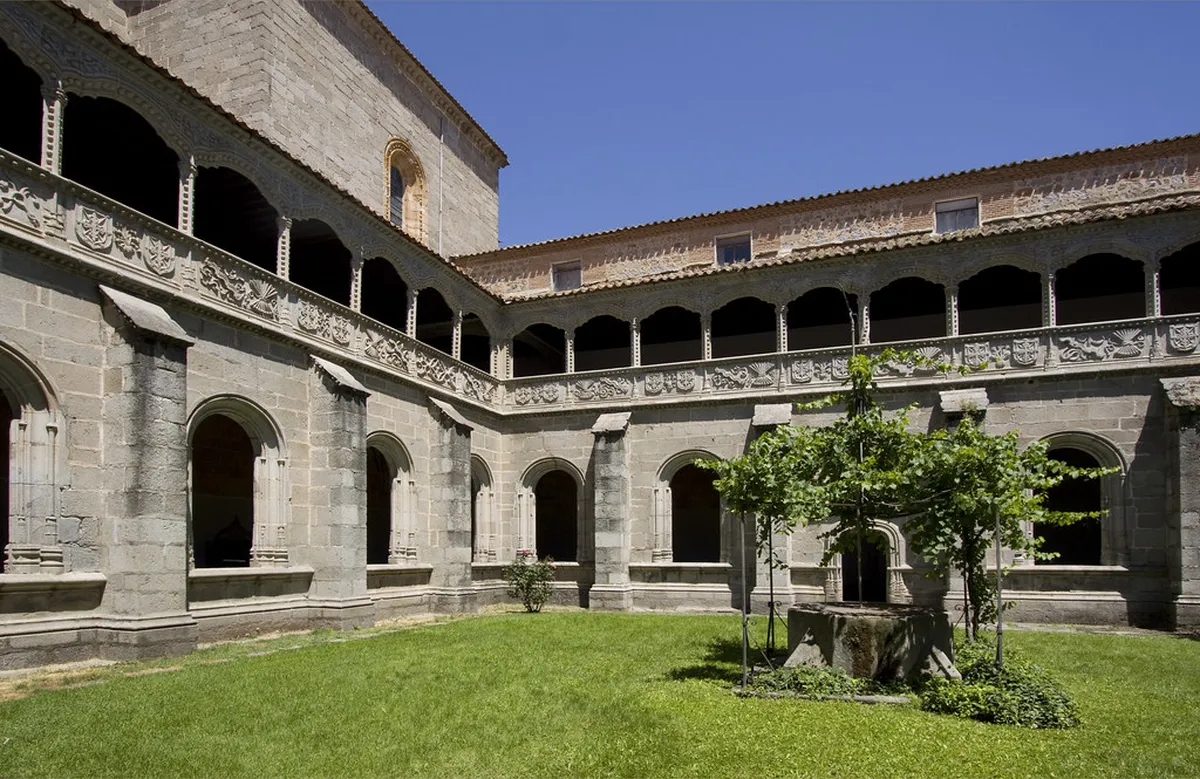
Table of Contents
Explore The Three Cloisters of Santo Tomás in Ávila
Ávila, Spain, holds many architectural wonders. One prominent site is the Monasterio de Santo Tomás. This historic Dominican convent boasts incredible beauty. Its most captivating features are undoubtedly the three cloisters of Santo Tomás Monastery. They offer a journey through time and architectural styles. Prepare to explore these peaceful, historic spaces.
The Royal Cloister: Claustro del Silencio
The Claustro del Silencio is the most significant cloister. It is also known as the Royal Cloister. This area housed the royal quarters of King Ferdinand and Queen Isabella. Its design reflects the Isabelline Gothic style. Ornate carvings adorn its arches and columns.
This cloister offers serene beauty. Intricate stonework details highlight its historical importance. You will find exquisite Gothic tracery here. The craftsmanship truly stands out in every corner. This cloister connected to the royal apartments.
Visitors can imagine the royal court within these walls. The tranquility here provides a reflective experience. It's a key example of Isabelline Gothic style. Take your time to appreciate its fine details. It tells a story of power and devotion.
You can see the royal escutcheons carved into the stone. These symbols represent Ferdinand and Isabella. The cloister's design emphasizes their patronage. It remains a highlight of any visit. Many consider it an architectural masterpiece in Ávila.
The Novice Cloister: Claustro de los Novicios
Next, explore the Claustro de los Novicios. This cloister served the monastery's novices. Its design is simpler, yet equally charming. The architecture focuses on functionality and quiet study. This area provides a different atmosphere.
The Novice Cloister features a more modest aesthetic. Plain stone arches create a sense of calm. It reflects the contemplative life of its inhabitants. This space allowed for quiet reflection. Dominican novices spent much time here.
This cloister connects to the monastery’s service areas. It offers insight into daily monastic life. You will notice fewer decorative elements. Simplicity defines its elegant beauty. It provides a peaceful contrast to the Royal Cloister.
Observe the robust construction of this cloister. It represents the practical aspects of monastic architecture. This area shows how different spaces served specific purposes. It is a vital part of Ávila's religious buildings. Visiting offers a deeper understanding of the monastery.
The Main Cloister: Claustro del Prior
The Claustro del Prior is the central cloister. It is also known as the Main Cloister. This area connected the church, refectory, and chapter house. Its grandeur reflects its importance. This cloister facilitated daily monastic routines.
This cloister boasts a larger, more expansive design. Its arcades are broader and more imposing. The space feels open and inviting. It served as a hub for the monastic community. Many important events took place here.
Architecturally, it combines Gothic and early Renaissance elements. Look for the fine stone carvings on its capitals. These details showcase artistic transitions. The Cloisters of Santo Tomás are truly unique. Gothic architecture in Ávila is beautifully represented here.
The Main Cloister is often used for events today. It still retains its historic charm. Walking through its corridors feels truly immersive. Visitors gain a sense of the monastery's scale. It offers a memorable experience for all.
Planning Your 2025 Visit to the Cloisters
🌟 Local Expert Tip: Get the most out of your Madrid visit with guided tours!
Visiting the three cloisters of Santo Tomás Monastery is straightforward. The monastery is open year-round. Check their official website for current 2025 opening hours. Typically, it opens around 10:00 AM and closes in the late afternoon. There is usually a break for lunch.
Ticket prices for 2025 are approximately 4-6 euros per person. Discounts are often available for students and seniors. It's best to allow at least two hours for your visit. This time ensures you can explore each cloister fully. Photography is generally permitted inside.
The monastery is easily accessible from Ávila's city center. It is located just outside the main city walls. You can enjoy a pleasant walk there. Consider combining your visit with other Ávila attractions. Many Ávila self-guided walks include this site.
Consider visiting during the shoulder seasons. Spring and fall offer pleasant weather and fewer crowds. Wear comfortable shoes for walking. This will enhance your exploration of these magnificent cloisters. Enjoy the rich history and stunning architecture.
Frequently Asked Questions
💡 Pro Tip: Book your Madrid adventures in advance through Viator for the best deals!
What is the historical significance of Santo Tomás Monastery's cloisters?
The cloisters hold immense historical value. They were built in the late 15th century. King Ferdinand and Queen Isabella patronized its construction. They also housed the tomb of their son, Prince Don Juan. The Royal Cloister served as the royal residence during their visits. Learn more about Ávila's rich architectural history.
Are there guided tours available for the cloisters of Santo Tomás?
Yes, guided tours are often available at the monastery. These tours provide deeper insights into its history. Check upon arrival for tour availability and schedules. Many local tour operators also include the cloisters. They are a significant part of the Monasterio de Santo Tomás experience.
The three cloisters of Santo Tomás Monastery offer a captivating experience. They showcase Ávila's rich history and architectural skill. Each cloister tells a unique story. From royal grandeur to monastic simplicity, they present varied perspectives. Plan your 2025 visit to these unforgettable spaces. Discover the serene beauty of this Spanish gem. Explore more architectural details in Ávila.
Key Takeaways
- Explore three distinct cloisters: Royal, Novice, and Main, each with unique architectural styles.
- Understand the historical significance and connection to Spanish royalty, especially the Royal Cloister.
- Plan your 2025 visit carefully, checking opening hours and entry fees for a smooth experience.